





What's Happening?
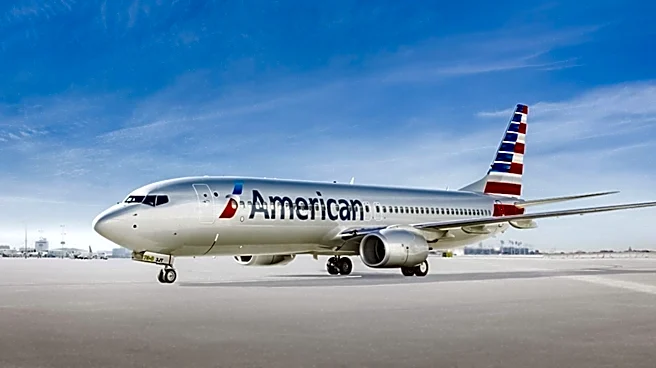
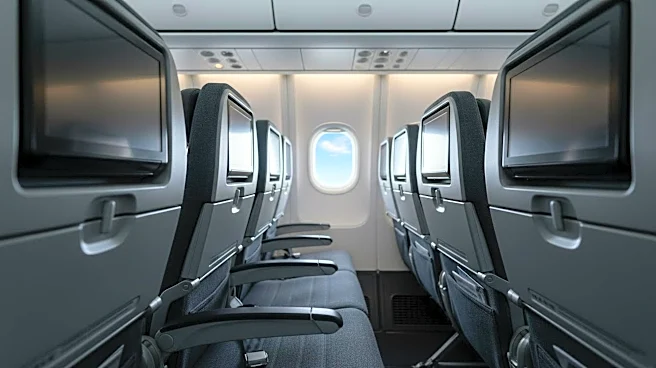
American Airlines is reversing its previous strategy by reintroducing seatback entertainment screens on approximately 800 single-aisle jets. This move includes installing screens on new Airbus and Boeing planes arriving in 2028, with retrofits on existing
aircraft also commencing that year and extending into the early 2030s, as reported by Business Insider. The new displays will feature movies, TV shows, music, games, and Bluetooth connectivity for personal headphones. Additionally, they will offer USB-C charging and 4K resolution, according to CNBC. This decision marks a shift from the airline's earlier push for passengers to stream content to their personal devices. American Airlines attributes this change to post-pandemic passenger preferences for larger screens, the ability to use multiple devices, and faster connectivity.
Why It's Important?
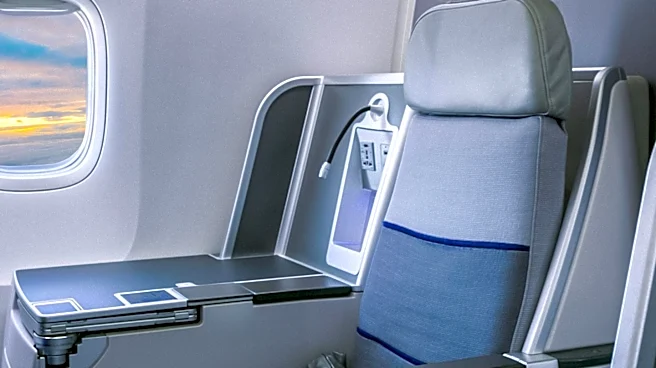
This strategic shift by American Airlines is significant for the airline industry and its passengers. For travelers, it means an enhanced in-flight experience with dedicated entertainment options, potentially reducing the need to rely on personal device battery life and data plans. The inclusion of USB-C charging and 4K displays addresses modern technological demands. For American Airlines, this investment aims to improve customer satisfaction and potentially attract higher-paying flyers. The airline also plans to increase the proportion of premium seats on narrow-body flights from about 25% to around 40% in the coming years. This move is part of a broader effort to narrow the 'wide profit gap' that Reuters notes exists between American Airlines and its competitors, United and Delta, by catering to passenger demands for premium services and improved amenities.
What's Next?
The reintroduction of seatback screens will begin with new aircraft deliveries in 2028 and continue with retrofits into the early 2030s. This phased rollout means passengers will gradually see these entertainment systems become available across American Airlines' single-aisle fleet over the next decade. The airline's focus on increasing premium seating suggests a continued strategy to target higher-value customers. Competitors like United and Delta will likely monitor the impact of this move on American Airlines' market share and customer satisfaction, potentially influencing their own future amenity offerings. The long-term success of this initiative will depend on passenger adoption and whether it effectively contributes to closing the profit gap with rival airlines.
Beyond the Headlines
This decision by American Airlines reflects a broader industry trend of adapting to evolving consumer expectations in a post-pandemic travel landscape. While the initial shift to personal device streaming was driven by cost-saving measures and the ubiquity of smartphones, the return to integrated seatback entertainment highlights the value passengers place on dedicated, high-quality in-flight amenities. This could signal a renewed focus on passenger comfort and luxury in air travel, moving beyond basic transportation to a more comprehensive service experience. The investment in 4K displays and Bluetooth connectivity also underscores the increasing integration of advanced technology into everyday travel, setting a new standard for what passengers expect from their flight experience. This could also influence aircraft manufacturers to prioritize integrated entertainment systems in future designs.