







What's Happening?
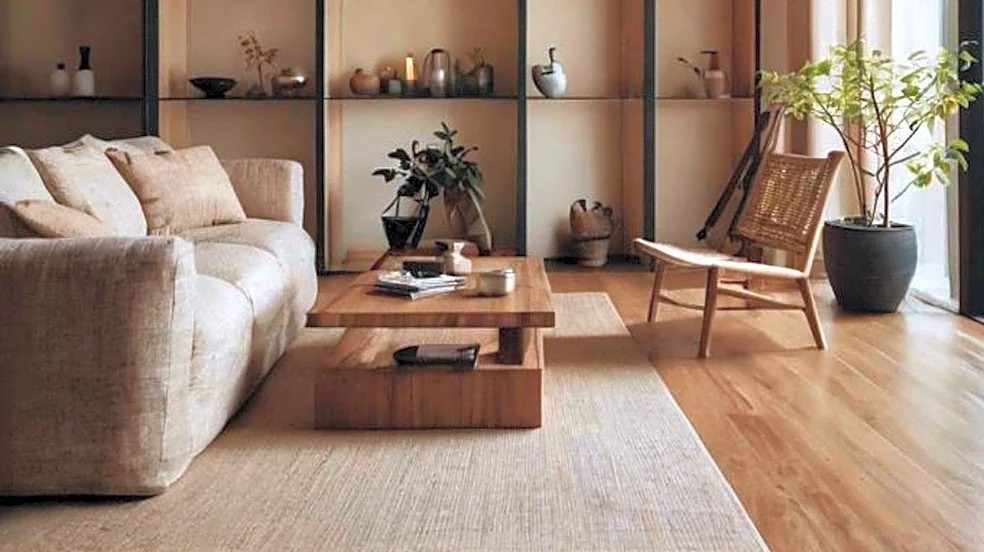
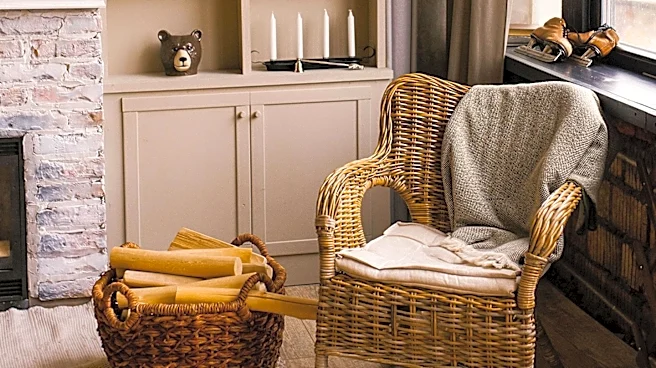
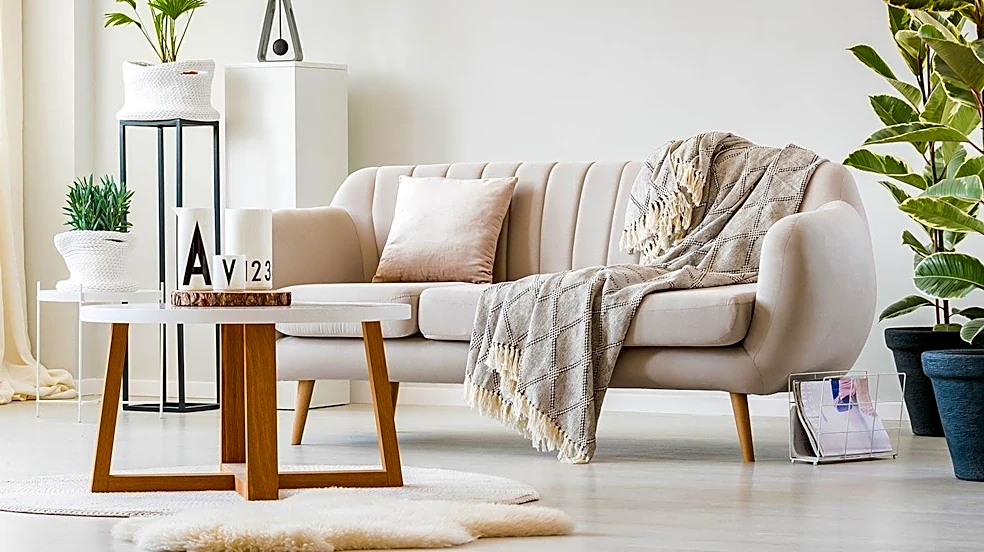
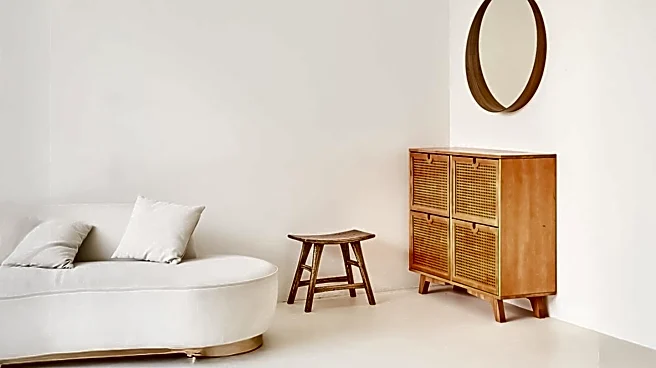
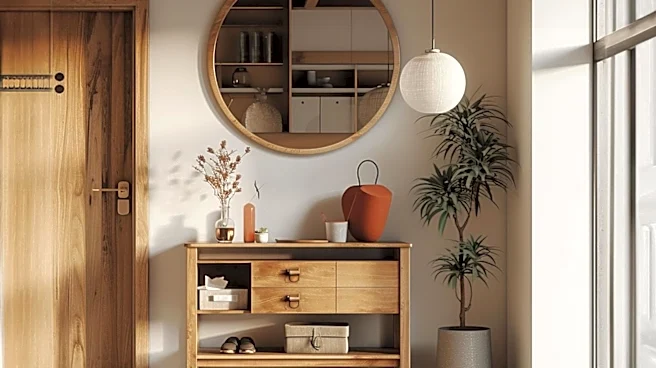
Japandi style is an interior design trend that merges Japanese and Scandinavian design philosophies. This aesthetic prioritizes simplicity, the use of natural materials, and functional furniture. Japanese design contributes elements like balance, craftsmanship,
and an appreciation for imperfection, while Scandinavian design brings in light color palettes, practical solutions, and a focus on creating a warm and comfortable living space. The core objective of Japandi style is to curate a space where every item serves a purpose, whether practical or emotional, and where furniture and decorative pieces are given ample room to stand out. This design approach aims to create calm, comfortable, and inviting atmospheres, distinguishing itself from purely Zen interiors which are more directly influenced by Zen Buddhist principles and emphasize tranquility and a restrained relationship between objects and empty space. Japandi, conversely, integrates Nordic comfort and coziness into its aesthetic.
Why It's Important?
The rise of Japandi style reflects a broader societal shift towards mindfulness, sustainability, and a desire for less cluttered, more intentional living spaces. In the U.S., where consumer culture often encourages accumulation, this design trend offers an alternative that promotes thoughtful consumption and appreciation for quality over quantity. For the interior design industry, Japandi presents new opportunities for designers and retailers to offer products and services that align with these values, such as handcrafted furniture, natural textiles, and minimalist decor. It also influences manufacturing, encouraging the use of sustainable and natural materials like wood, stone, linen, wool, and ceramics. This trend can impact consumer spending habits, potentially shifting focus from fast furniture to more durable, timeless pieces. Furthermore, the emphasis on creating calm and inviting home environments can contribute to improved well-being and reduced stress for individuals, aligning with growing interest in mental health and home as a sanctuary.
What's Next?
As Japandi style gains traction, it is likely to influence various sectors of the U.S. market. We can anticipate an increase in demand for furniture and home decor that embodies this aesthetic, leading to more offerings from both large retailers and independent artisans. Design schools and professionals may incorporate Japandi principles into their curricula and projects, further solidifying its presence in the design landscape. There may also be a rise in workshops and online resources dedicated to helping individuals integrate Japandi elements into their homes. Furthermore, the principles of Japandi, such as sustainability and intentionality, could extend beyond interior design, influencing other lifestyle choices and product development in areas like fashion and personal care. The continued emphasis on natural materials and craftsmanship could also foster growth in local artisan communities and sustainable manufacturing practices.
Beyond the Headlines
Beyond its aesthetic appeal, Japandi style carries deeper implications for how Americans perceive and interact with their living environments. It challenges the conventional notion that more possessions equate to more comfort or happiness, instead advocating for a curated existence where each item holds significance. This philosophical underpinning can encourage a more conscious approach to consumption, potentially reducing waste and promoting a circular economy. Ethically, the emphasis on natural and sustainable materials aligns with growing environmental concerns, pushing manufacturers towards more responsible sourcing and production methods. Culturally, Japandi represents a fascinating blend of Eastern and Western design philosophies, fostering a greater appreciation for cross-cultural influences in everyday life. It encourages a slower, more deliberate pace of living, transforming homes into havens of tranquility and reflection, which can have profound long-term effects on individual well-being and societal values.