







What's Happening?
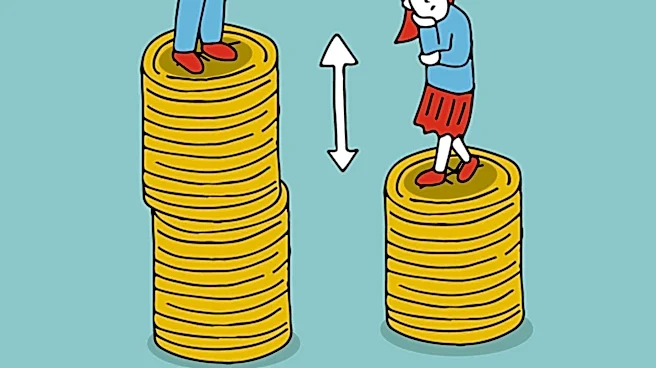
A recent analysis of U.S. Bureau of Labor Statistics data reveals that the gender earnings gap has resulted in a $671 billion loss over the past 25 years. Women's median weekly earnings have more than doubled from $493 in 2000 to approximately $1,089
in 2025. Despite this progress, women still earn about 82 cents for every dollar earned by men, up from 77 cents in 2000. The analysis by MyPerfectResume highlights that the financial impact of the pay gap has grown due to the increased number of women working full-time and rising wages. The uncontrolled gender pay gap, which does not account for factors like occupation or education, has widened, with women earning $12,324 less annually than men.
Why It's Important?
The persistent gender pay gap has significant long-term financial implications for women, affecting their retirement savings, wealth accumulation, and financial security. The gap also exacerbates economic disparities, as women often bear a disproportionate share of caregiving responsibilities, which can interrupt their careers. For employers, the findings underscore the need for comprehensive strategies to address pay disparities, including regular pay equity audits and transparent compensation practices. Closing the pay gap requires more than equal starting salaries; it involves ensuring equitable career progression and leadership opportunities.
Beyond the Headlines
The analysis suggests that addressing the gender pay gap is not only a matter of fairness but also an economic necessity. Employers are encouraged to adopt pay transparency and equity practices to foster equitable workplaces. The findings also highlight the importance of understanding the broader economic impact of the pay gap, as it affects not just individual earnings but also the overall economic health and productivity of the workforce.