


What's Happening?
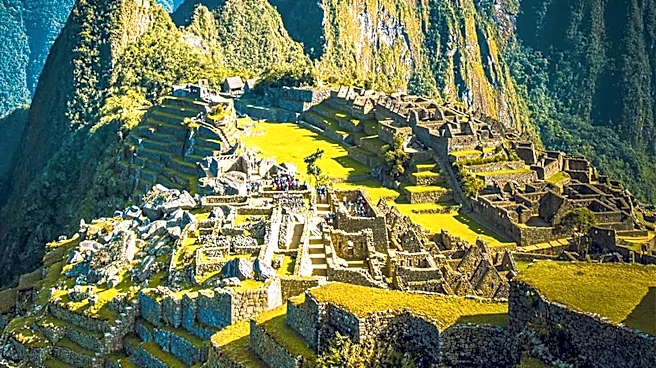
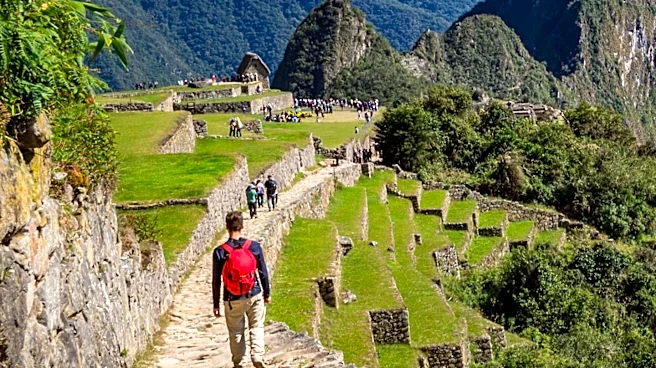
Peru's Andes mountains provide a wide array of multi-day trekking options, extending far beyond the renowned Inca Trail to Machu Picchu. While the Inca Trail remains a classic, offering a 44 km, four-day journey to Inti Punku (Sun Gate) with a daily permit
quota, numerous other trails cater to different preferences and skill levels. These alternatives include the Salkantay Trail, a longer and higher route emphasizing glaciers over ruins, and the Lares and Salkantay trek, which combines cultural immersion with high-altitude hiking. For those seeking solitude and challenging terrain, the Ancascocha trek leads to Machu Picchu via remote valleys, while the Santa Cruz Trek in the Cordillera Blanca offers an introduction to high-altitude trekking. The Ausangate trek provides the highest altitude experience near Cusco, and the Huayhuash Circuit is considered Peru's most challenging and scenic trek, ideal for experienced trekkers. Most routes originate from Cusco or Huaraz, with the dry season from May to September being the best time for trekking, though April and October offer a good balance with fewer crowds.
Why It's Important?
The diversity of trekking options in Peru holds significant importance for the U.S. tourism market and adventure travel industry. For American travelers, these varied trails provide alternatives to the often fully booked Inca Trail, allowing for more flexible travel planning and access to unique experiences. The availability of treks ranging from culturally rich to extremely challenging means that a broader demographic of U.S. adventurers, from first-time trekkers to seasoned mountaineers, can find a suitable option. This expands the potential for U.S. tour operators specializing in adventure travel to offer more diverse and appealing packages. Furthermore, the emphasis on acclimatization for high-altitude treks is a critical safety consideration for U.S. tourists, highlighting the need for responsible travel planning and potentially influencing pre-trip health advisories and insurance offerings for those venturing into the Peruvian Andes.
What's Next?
As awareness of these alternative Peruvian treks grows, U.S. travel agencies and adventure tourism companies are likely to expand their offerings to include more diverse itineraries. This could lead to increased demand for specialized guides and logistical support for less-traveled routes. Travelers from the U.S. planning these trips will need to prioritize acclimatization, potentially spending several days in Cusco or Huaraz before embarking on high-altitude treks. The Peruvian Ministry of Culture and local communities may see increased revenue from tourism, particularly from the fees associated with permits and campsites on various trails. Continued promotion of these diverse trekking experiences could further solidify Peru's reputation as a premier destination for adventure tourism, attracting a wider range of international visitors, including a significant portion from the U.S.
Beyond the Headlines
Beyond the immediate economic and tourism impacts, the expansion of trekking options in Peru highlights a broader trend in adventure travel: a desire for more authentic, less crowded, and often more challenging experiences. For U.S. travelers, this signifies a shift from purely iconic destinations to a deeper engagement with local cultures and natural environments. The emphasis on community-managed campsites and the cultural aspects of treks like Lares underscore a growing interest in responsible tourism and supporting local economies. This trend could influence how U.S. travelers choose their destinations, favoring experiences that offer both adventure and a meaningful connection to the places they visit, potentially leading to a more sustainable and culturally sensitive form of international tourism.