







What's Happening?
Recent data from Circana reveals a significant decline in U.S. console hardware sales for May 2026, with both PlayStation and Xbox experiencing their lowest sales figures in years. PlayStation hardware sales have dropped to their lowest since May 2000,
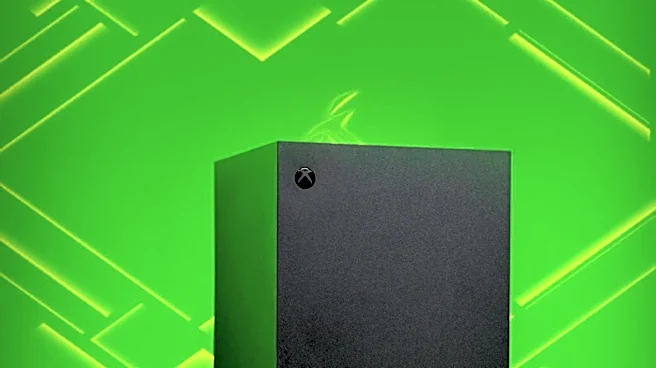
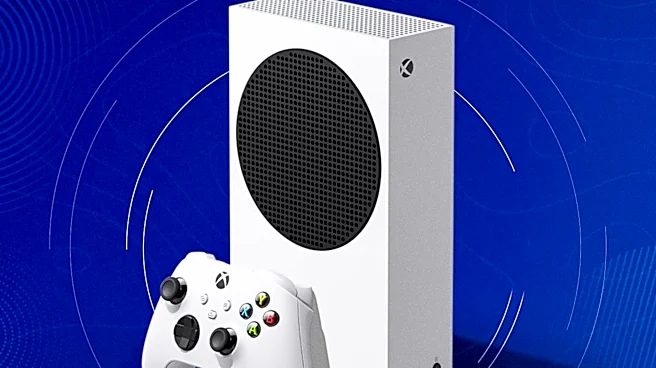
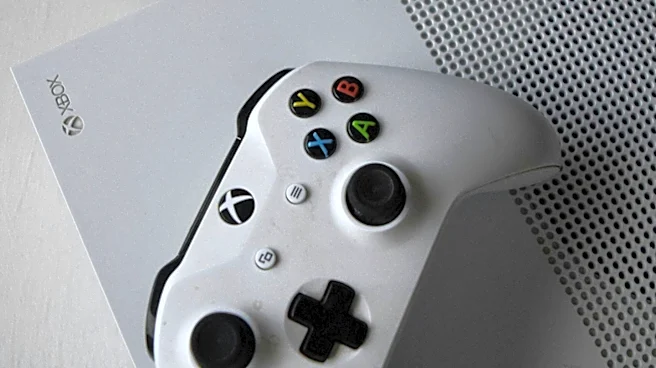
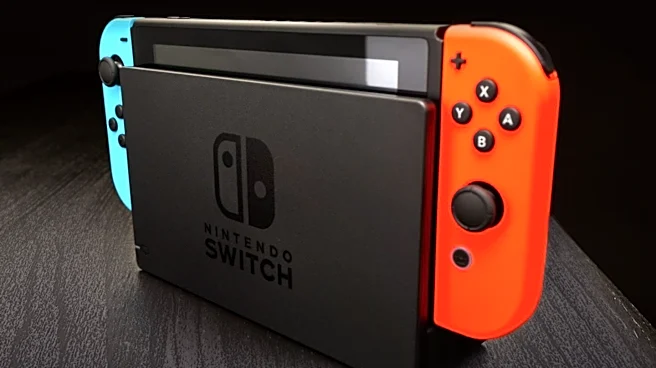
while Xbox recorded its worst May ever. The PlayStation 5 saw a 58% decrease in unit sales compared to May 2025, and hardware spending fell by 43% year-over-year. Xbox Series hardware sales decreased by 12% year-over-year, although revenue increased by 7% due to higher prices. The average price for new video game hardware in the U.S. rose to $502, a 14% increase from the previous year. The PlayStation 5's average price increased by 33% to $672, and the Xbox Series price rose by 22% to $524. Meanwhile, the Nintendo Switch 2 led the market in both units sold and revenue.
Why It's Important?
The decline in console sales highlights the impact of rising prices on consumer purchasing behavior. As console prices increase, fewer units are sold, which could affect the overall gaming market and related industries. The increase in average sale prices suggests that manufacturers are attempting to offset declining sales volumes with higher revenue per unit. This trend could lead to a shift in market dynamics, where only premium or high-demand products thrive. The situation also underscores the challenges faced by consumers in an inflationary environment, potentially leading to reduced spending on non-essential goods like gaming consoles. Companies like Microsoft and Sony may need to reassess their pricing strategies to maintain market share and consumer loyalty.
What's Next?
With Microsoft planning further price increases for Xbox consoles starting August 1, the market could see continued pressure on sales volumes. Sony's recent price hikes for the PlayStation 5 may also contribute to ongoing sales challenges. As storage and memory costs rise, manufacturers might explore alternative strategies, such as offering more affordable models or bundling services to attract consumers. The gaming industry will likely monitor consumer responses closely, adjusting marketing and pricing strategies to navigate these economic pressures. Additionally, the success of the Nintendo Switch 2 suggests that competitive pricing and strong product offerings can still drive sales in a challenging market.