




What's Happening?
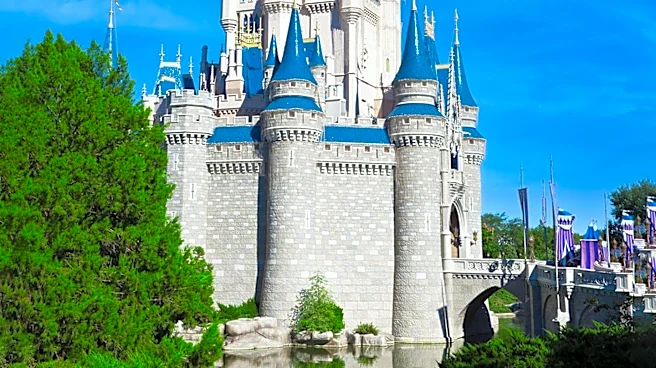
Magic Kingdom at Walt Disney World is highlighted as a destination that offers a rich and enjoyable experience for adults, challenging the common misconception that it is exclusively for young children. The park features a variety of thrill rides like
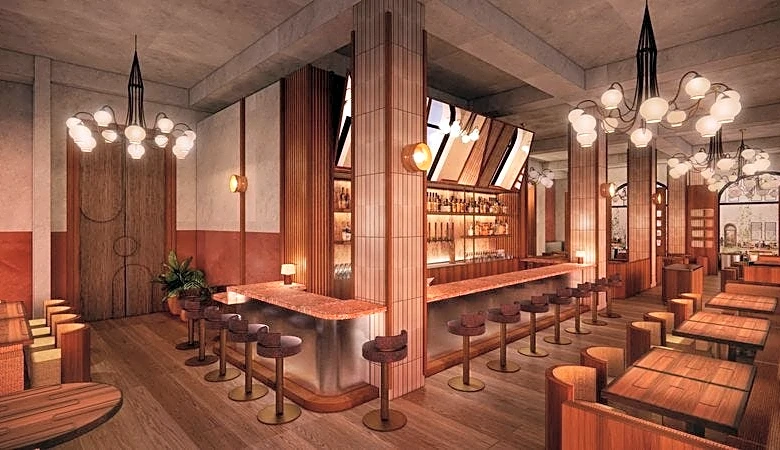
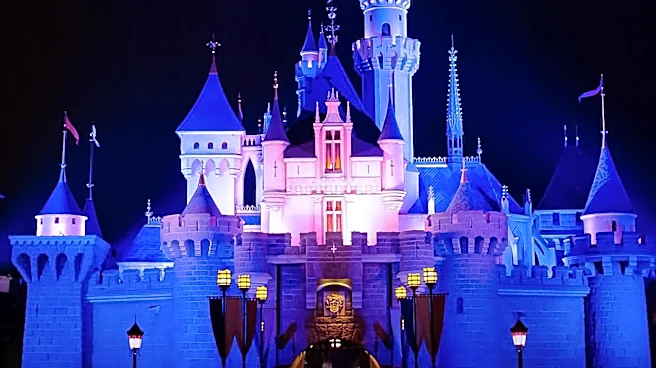
TRON Lightcycle / Run, Space Mountain, Big Thunder Mountain Railroad, and the upcoming Tiana’s Bayou Adventure, which cater to adult preferences for excitement. Beyond thrill rides, attractions such as Haunted Mansion, Pirates of the Caribbean, Buzz Lightyear’s Space Ranger Spin, Jungle Cruise, and Monsters, Inc. Laugh Floor are noted for their immersive storytelling, humor, and interactive elements that appeal to adults. Even seemingly child-centric rides like "It’s a Small World" are appreciated by adults for their artistic and thematic depth. The park also provides relaxing experiences like the PeopleMover and Carousel of Progress, which offer historical context and a chance to rest. Dining options range from sophisticated character meals at Cinderella’s Royal Table to comfort food at Liberty Tree Tavern and unique offerings at Skipper Canteen and Beak and Barrel, including alcoholic beverages. The article emphasizes that Magic Kingdom at night, with its parades, fireworks, and illuminated landscapes, offers a particularly magical experience for adults, often enhanced by fewer crowds after families with young children depart. Special events like After Hours, Mickey’s Not-So-Scary Halloween Party, and Mickey’s Very Merry Christmas Party are also presented as highly enjoyable for adults, offering unique entertainment and shorter wait times.
Why It's Important?
This perspective is important for the U.S. tourism and entertainment industry, particularly for Disney Parks, as it broadens the appeal of Magic Kingdom to a significant demographic—adults without children. By showcasing the park's diverse offerings, it can attract more adult visitors, potentially increasing revenue and diversifying the visitor base. This reframing challenges existing marketing narratives and encourages a more inclusive view of theme park experiences. For adults, it opens up new possibilities for leisure and recreation, allowing them to revisit childhood memories or discover new aspects of the park without the logistical demands of managing children. The emphasis on unique dining, nighttime experiences, and special events also highlights the evolving sophistication of theme park offerings, catering to a wider range of tastes and preferences. This could influence other theme parks to similarly expand their adult-oriented attractions and services.
What's Next?
Adults planning a visit to Magic Kingdom are encouraged to explore the park's extensive offerings beyond traditional child-focused attractions, including thrill rides, immersive experiences, and unique dining. The article suggests leveraging PhotoPass services and attending special events like After Hours or holiday parties for enhanced experiences. Disney Parks may continue to develop and market more adult-centric experiences, such as the Beak and Barrel tavern, to cater to this growing demographic. This could lead to further diversification of entertainment, dining, and event programming within Magic Kingdom and other Disney parks. The success of these adult-focused initiatives could also prompt other theme park operators to re-evaluate their target audiences and expand their offerings to attract a broader range of visitors, moving beyond a purely family-centric model.
Beyond the Headlines
The re-evaluation of Magic Kingdom as an adult destination reflects a broader cultural trend where adults are increasingly seeking experiences that blend nostalgia, sophisticated entertainment, and personal leisure. It challenges the societal expectation that certain forms of entertainment are exclusively for children, promoting the idea that joy and wonder are ageless. The article subtly touches on the psychological aspect of escapism and the desire for adults to engage in playful, imaginative environments, free from daily responsibilities. The discussion of "easier" visits without children also highlights the often-unseen labor involved in family vacations, prompting a reflection on the value of unburdened leisure. This shift in perception could lead to a more nuanced understanding of adult play and its importance for well-being, influencing how entertainment venues design experiences for all age groups.