






What's Happening?
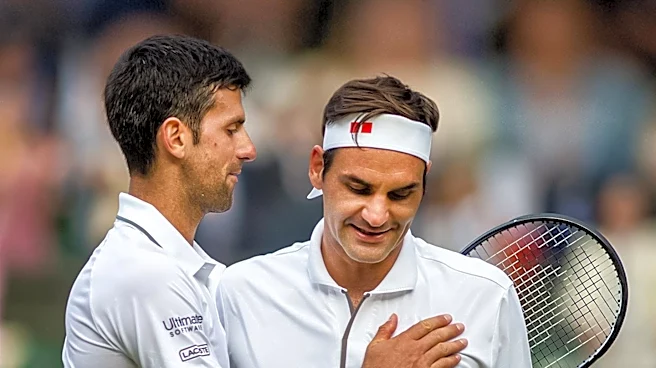
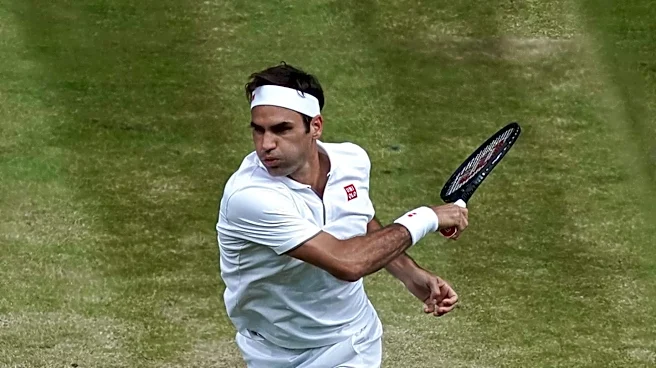
Marcus Willis, a British tennis player, is reflecting on his memorable 2016 Wimbledon match against Roger Federer as he returns to the tournament in 2026. Known for his unexpected rise from qualifying rounds to facing Federer in the second round, Willis became
a cult hero despite losing the match. His performance, particularly a notable lob shot against Federer, earned him the BBC's Shot of the Tournament. Now 35, Willis is participating in the men's doubles at Wimbledon, looking back on how that match shaped his life and career. Despite the fame that followed his 2016 performance, Willis has continued to focus on improving his game and balancing his roles as a husband and father.
Why It's Important?
Willis's story is significant as it highlights the unpredictable nature of sports and the impact a single event can have on an athlete's life. His journey from an underdog to a national icon underscores the allure of Wimbledon and the opportunities it presents for lesser-known players. This narrative resonates with sports fans and aspiring athletes, illustrating how perseverance and unexpected success can lead to lasting recognition. For the tennis community, Willis's return to Wimbledon serves as a reminder of the tournament's rich history and the personal stories that contribute to its legacy.
What's Next?
As Willis embarks on his Wimbledon doubles campaign, the focus will be on how he performs in this new chapter of his career. His past experience against Federer may provide valuable insights and motivation. The tennis community and fans will be watching to see if Willis can replicate any of his past success or create new memorable moments. His journey may also inspire discussions about the support and opportunities available for players outside the top ranks, potentially influencing future policies in tennis organizations.
Beyond the Headlines
Willis's story also touches on broader themes of resilience and personal growth. His transformation from a player struggling with self-doubt and lifestyle choices to a disciplined athlete reflects the challenges many face in professional sports. This narrative can inspire discussions about mental health, the pressures of fame, and the importance of support systems in athletes' lives. Additionally, Willis's experience highlights the role of media in shaping public perception and the fleeting nature of sports fame.