










What's Happening?
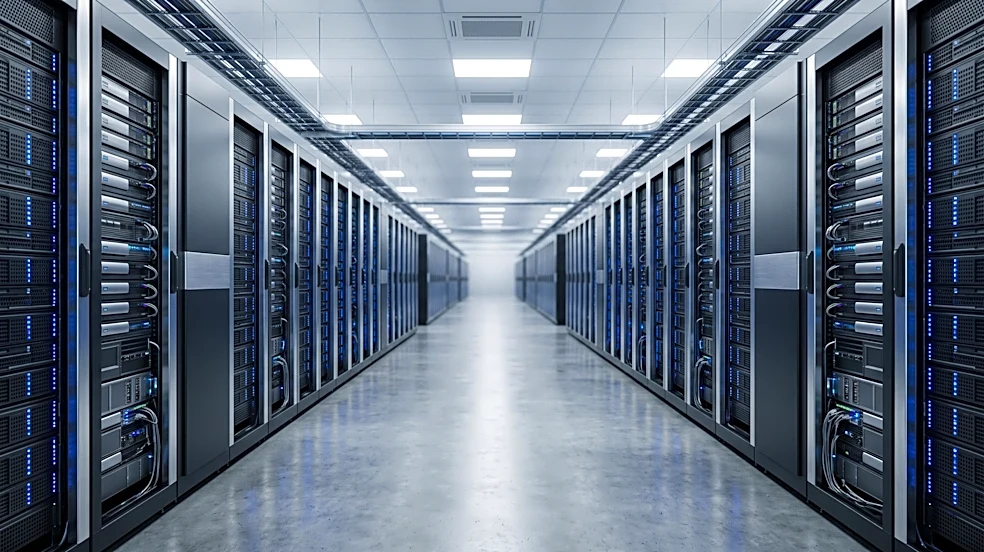
Nvidia CEO Jensen Huang has indicated that Wall Street is beginning to recognize the value of Nvidia's hardware as collateral for financing new data centers. This means that companies could potentially use their AI chips as security to borrow funds, enabling
them to acquire even more AI computing power. Huang's statement suggests a growing financial understanding and acceptance of the tangible asset value of advanced AI hardware within the financial sector. This development could provide a new avenue for companies to fund their significant investments in AI infrastructure, which are often capital-intensive.
Why It's Important?
This shift in Wall Street's perception of AI hardware as collateral is highly significant for the U.S. business and technology sectors. It could unlock substantial capital for companies looking to expand their AI capabilities, particularly those that might otherwise struggle to secure traditional financing for such large-scale investments. By leveraging their existing or newly acquired Nvidia chips, businesses can accelerate their AI development and deployment, fostering innovation and competitiveness. This financial mechanism could also reduce the financial risk for companies investing in AI, as the hardware itself holds recognized value. Ultimately, it could lead to a more rapid and widespread adoption of advanced AI technologies across various industries in the U.S., driving economic growth and technological advancement.
What's Next?
The recognition of AI hardware as collateral could lead to the development of new financial products and services tailored to the AI industry. Banks and financial institutions may begin offering specialized loans or credit lines backed by AI chips, making it easier for companies to finance their data center expansions. This could also influence investment strategies, with investors potentially viewing companies with significant AI hardware assets as more financially stable or creditworthy. Furthermore, it might encourage more companies to invest in high-end AI hardware, knowing that these assets can be leveraged for future growth. The long-term impact could be a more robust and accessible financing ecosystem for AI infrastructure development in the U.S.
Beyond the Headlines
The concept of using AI hardware as collateral delves into the evolving definition of value in the digital age. As AI becomes increasingly central to economic activity, the physical infrastructure supporting it gains a new form of financial liquidity. This development raises questions about asset valuation in a rapidly depreciating technology market, though Huang's statement implies a confidence in the sustained value of Nvidia's chips. It also highlights the growing interdependence between the technology sector and traditional financial markets, where innovation in one can directly influence the other. This could set a precedent for other high-value, rapidly evolving technological assets to be recognized as collateral, potentially reshaping how capital is raised and deployed for cutting-edge technologies in the U.S.