


What's Happening?
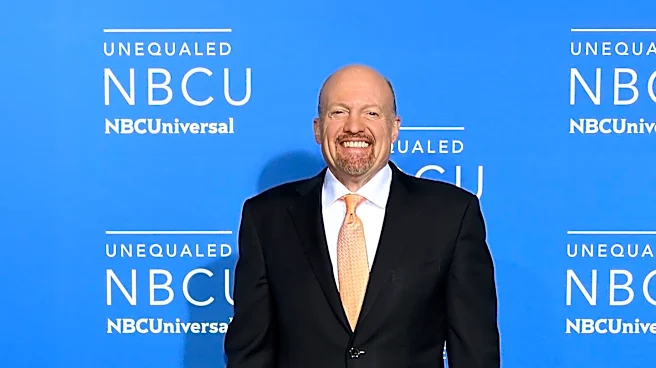
On October 30, 2026, Jim Cramer publicly admitted on CNBC that he was mistaken about Intel (NASDAQ:INTC), stating, "I made a mistake here," and adding, "They're not ready to do the things that I thought it was." This admission came a day after Intel's
earnings report, which, despite beating third-quarter estimates with $0.52 EPS and a 78% increase in Data Center revenue, led to one of the stock's most significant single-day drops. Intel's shares plunged by 28.53% to $65.80 from $92.07. The selloff was primarily driven by weak fourth-quarter guidance, with projected revenue between $15.0 billion and $16.0 billion, non-GAAP EPS of $0.25, and a non-GAAP gross margin of 38.0%, a decrease from 44.1% in Q3. An accident at an Intel factory in Israel contributed to approximately $300 million in lost revenue and a 200 basis point margin reduction. Intel also anticipates a more than 20% decline in Client Computing revenue from Q3 due to memory costs affecting PC demand, projecting the PC market to shrink by about 12% in 2026 and 10% in 2027.
Why It's Important?
Jim Cramer's public retraction regarding Intel's prospects highlights the volatile nature of the technology sector and the significant impact of corporate guidance on stock performance. Intel's substantial stock drop not only affects its investors but also signals broader concerns within the semiconductor industry and the personal computer market. The projected decline in the PC market for 2026 and 2027 indicates a challenging environment for hardware manufacturers and could have ripple effects on related industries. Furthermore, Intel's increased capital spending for 2027 and the expectation of negative cash flow for that year suggest a period of significant investment and potential financial strain, which could influence its competitive position against rivals in the long term. This situation underscores the importance of forward-looking statements from companies and the immediate market reactions they can trigger.
What's Next?
Intel faces a challenging period ahead, with increased capital spending and anticipated negative cash flow in 2027. The company will need to navigate a shrinking PC market and manage the financial implications of its factory accident. Investors will closely monitor Intel's execution on its strategic initiatives, particularly in its Data Center and AI segments, which showed strong growth in Q3. The broader semiconductor industry may also experience continued volatility as market participants reassess demand and supply dynamics. Intel's management will likely focus on cost control and efficiency improvements while continuing to invest in research and development to maintain competitiveness. The company's ability to meet its revised guidance and demonstrate a clear path to profitability will be critical for regaining investor confidence.
Beyond the Headlines
Intel's situation reflects a broader trend in the technology industry where established giants face intense competition and rapid technological shifts. The company's struggles in the Client Computing segment, coupled with significant investments in its foundry business, illustrate the complex transition many legacy tech companies are undergoing to adapt to new market realities. The incident at its Israel factory also highlights the geopolitical and operational risks inherent in global manufacturing supply chains. Beyond financial metrics, Intel's performance is a bellwether for the health of the broader tech ecosystem, influencing everything from consumer electronics to enterprise infrastructure. The company's ability to innovate and execute on its long-term strategy will be crucial not only for its own survival but also for maintaining its role as a key player in global technology development.