




What's Happening?
PepsiCo is intensifying its marketing efforts in North America with a significant holiday campaign, 'Holidays Deserve Pepsi,' which aims for an 80% increase in retail visibility compared to 2025. This push comes as PepsiCo Beverages North America experienced
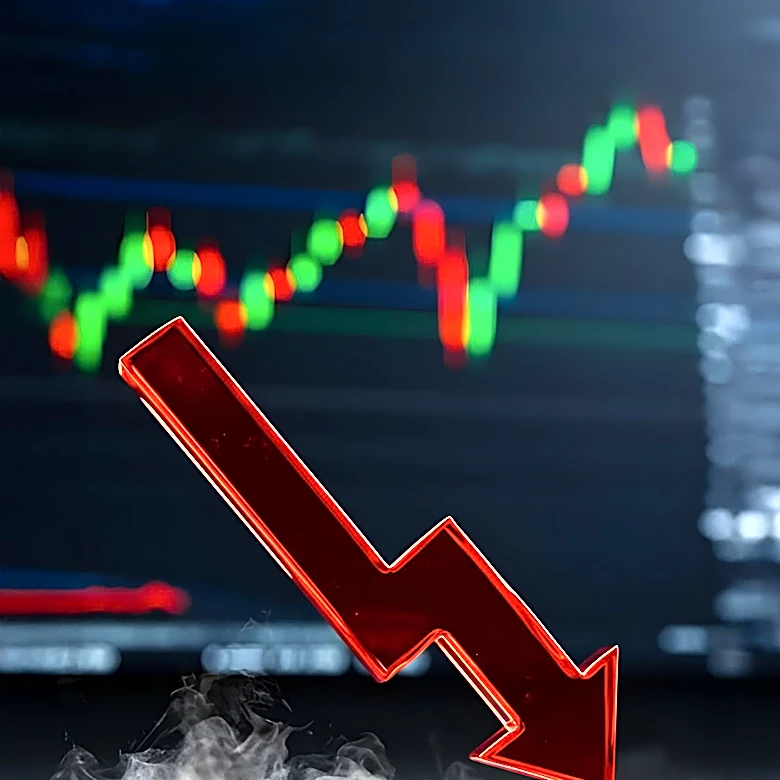
a 2% volume decline in the third quarter of 2026. CEO Ramon Laguarta acknowledged on October 8 that the company is not performing competitively in the refreshment beverage sector. The campaign features Pepsi Zero Sugar paired with pizza in seasonal advertisements and includes 15 partnerships with NFL teams, planning a 30% increase in point-of-sale presence. Additionally, a Pepsi Vanilla & Cream pack launched nationwide on October 19, with a special pack slated for Walmart on November 19. These initiatives are designed to boost sales and address the recent volume decline in the domestic market.
Why It's Important?
The performance of PepsiCo's North American beverage segment is crucial for its overall financial health. A sustained decline in volume could negatively impact investor confidence and the company's earnings outlook. While Pepsi Zero Sugar has shown growth, its market share remains significantly smaller than competitors like Coke Zero Sugar, indicating a substantial challenge for PepsiCo to move its overall business. The company recently cut its 2026 core earnings-per-share growth forecast, making a successful turnaround in North America vital. If the increased shelf presence and marketing campaigns fail to reverse the volume decline, the competitive weakness identified by CEO Laguarta will become a more pressing concern, potentially overshadowing positive international growth in regions like Latin America, EMEA, and Asia-Pacific.
What's Next?
Investors will closely monitor North American beverage volume metrics to assess the effectiveness of PepsiCo's holiday marketing push and sports tie-ins. The success of the 'Holidays Deserve Pepsi' campaign and the new Pepsi Vanilla & Cream product will be key indicators of whether the company can stabilize its domestic top line. If these efforts do not yield significant improvements, PepsiCo may need to re-evaluate its North American strategy. The company's international partnerships, such as the revamped KFC relationship aimed at younger customers and localized offerings, will continue to be a focus for offsetting domestic pressures. The transition of KFC in the U.S. to Coca-Cola from January 2027 will also be a factor, though its direct volume impact on PepsiCo is expected to be limited.
Beyond the Headlines
PepsiCo's current situation highlights a broader trend in the beverage industry where consumer preferences are rapidly evolving, and competition is fierce. The emphasis on Pepsi Zero Sugar reflects the growing demand for healthier, sugar-free options, but also underscores the challenge of gaining significant market share in a segment dominated by established players. The company's dual strategy of aggressive domestic marketing and tailored international expansion demonstrates the complexity of managing a global brand portfolio. This period could be a turning point for PepsiCo, testing its ability to innovate and adapt to changing market dynamics while maintaining its dividend payout, which is a key attraction for income-focused investors.