





What's Happening?
Illinois Governor J.B. Pritzker is asking the Illinois Department of Transportation (IDOT) to consider extending the Illinois Harvest Permit program into the summer of 2027. This potential extension is a significant development for the state's agricultural
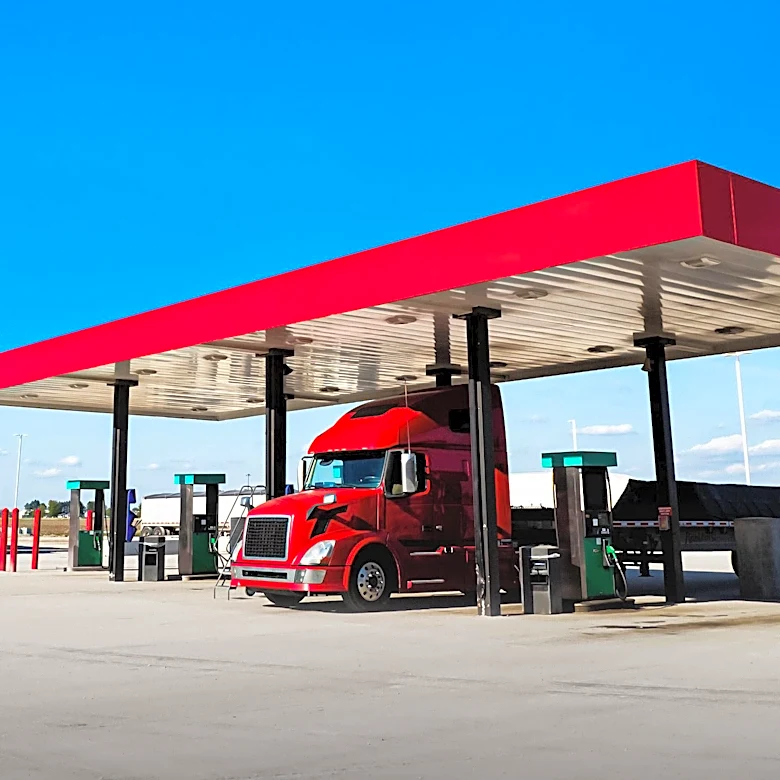
sector, particularly given the current environment of record-high diesel prices. The Harvest Permit program currently allows for heavier truck weights on specific routes during the harvest season. Rodney Knittel, Associate Director of Transportation and Infrastructure for the Illinois Farm Bureau, stated that extending the program would enable farmers to utilize these higher weight limits when transporting stored grain to river terminals and other delivery points throughout the following year. Knittel estimates that such an extension could result in savings equivalent to about two fewer loads per 80-acre field, based on state average yields, when using a harvest permit. He also noted that the program has been instrumental in helping producers move grain more efficiently and safely. The current elevated diesel costs, which have also led to temporary dyed-diesel penalty relief for farm use through December 31, are a major factor driving the interest in this extension. An extension into 2027 would transform the permit from a fall-only tool into one that farmers could use during the winter and spring months when grain bins are typically emptied.
Why It's Important?
The potential extension of the Illinois Harvest Permit program holds significant economic implications for the state's agricultural industry. Farmers in Illinois, particularly in areas like Henry County where fall harvest quickly transitions into winter grain movement, face substantial costs associated with hauling grain. With diesel prices at record highs, any measure that can reduce fuel consumption and transportation expenses is crucial for their profitability and sustainability. The ability to carry heavier loads means fewer trips, which directly translates to less fuel consumed, reduced wear and tear on vehicles, and lower labor costs. This efficiency gain can help farmers mitigate the impact of high operating costs and improve their overall economic outlook. Furthermore, extending the permit beyond the traditional harvest season would provide greater flexibility for farmers, allowing them to manage their grain sales and deliveries more strategically throughout the year. This could help stabilize supply chains and potentially reduce market volatility by enabling a more consistent flow of grain to processing facilities and export terminals. The decision by IDOT will be closely watched by agricultural groups and individual farmers across the state, as it directly affects their bottom line and operational efficiency.
What's Next?
The immediate next step is for the Illinois Department of Transportation (IDOT) to make a decision regarding Governor Pritzker's request to extend the Illinois Harvest Permit program into the summer of 2027. As of now, IDOT has not yet announced its decision. Farmers and agricultural organizations, such as the Illinois Farm Bureau, will be closely monitoring this announcement. If the extension is approved, farmers will need to familiarize themselves with any updated guidelines or requirements for utilizing the permits during the extended period. The Illinois Farm Bureau encourages producers to seek more information through their county Farm Bureau office or directly from IDOT. The outcome of this decision will influence farmers' logistical planning and cost management strategies for the upcoming year. Should the extension be granted, it would likely be implemented to cover the winter and spring months of 2027, providing continuous relief from high hauling costs. Conversely, a denial would mean farmers would revert to previous weight restrictions outside of the traditional harvest window, potentially increasing their operational expenses.
Beyond the Headlines
The discussion around extending the Illinois Harvest Permit program highlights a deeper issue concerning the resilience and adaptability of the agricultural sector in the face of fluctuating economic conditions, particularly energy costs. Beyond the immediate financial relief for farmers, this initiative touches upon broader themes of infrastructure utilization, regulatory flexibility, and the state's role in supporting its primary industries. The program's success in promoting efficient and safe grain movement also underscores the importance of tailored policies that address the unique needs of specific sectors. Ethically, providing such relief can be seen as a measure to ensure the economic viability of family farms and the stability of the food supply chain. Environmentally, fewer truck trips could lead to a marginal reduction in emissions, although the primary driver is economic efficiency. The ongoing dialogue between state government and agricultural groups reflects a collaborative approach to problem-solving, which is crucial for navigating complex challenges like high fuel prices and ensuring the long-term health of the agricultural economy. This situation also brings to light the continuous need for state agencies like IDOT to balance infrastructure preservation with economic support for key industries.