







What's Happening?
Nestlé Nigeria has highlighted its commitment to local sourcing and advanced food processing technologies in the production of its Maggi seasoning cubes. During a media tour of its Agbara factory in Lagos, the company clarified that the seasoning cubes are
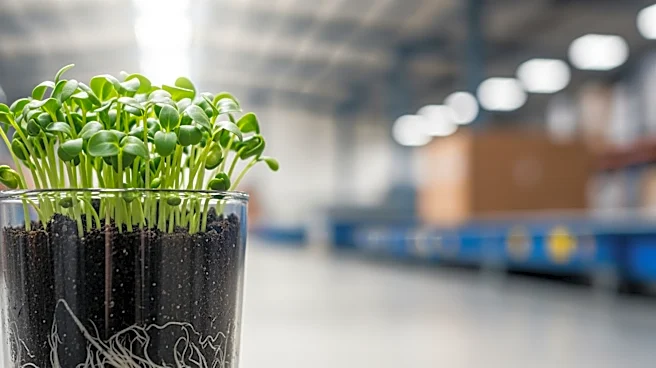
made from locally sourced soya beans, which are processed through controlled fermentation technology. This process replicates traditional African fermentation methods, countering public misconceptions that the product is made from chemicals. The production involves cleaning, softening, and fermenting the soya beans under controlled conditions before flavor extraction, drying, blending, and compression into cubes. The automated manufacturing process ensures product safety, consistency, and quality, with minimal human contact to reduce contamination risks.
Why It's Important?
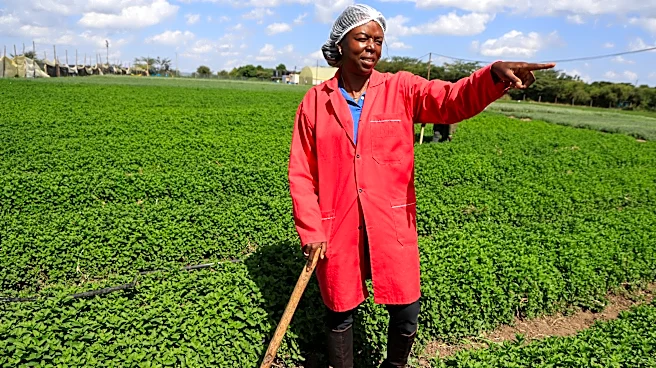
This development underscores the importance of local sourcing and technological innovation in strengthening Nigeria's food industry. By using locally sourced materials, Nestlé supports local farmers and contributes to the country's agricultural sector. The company's approach not only addresses nutritional challenges but also enhances food safety and quality standards. Furthermore, the factory's operations have a significant economic impact, providing direct and indirect employment opportunities and stimulating value creation across the supply chain. This initiative aligns with broader efforts to boost local economies and ensure sustainable food production practices.
What's Next?
Nestlé Nigeria's continued focus on local sourcing and food processing innovation is likely to influence other companies in the food industry to adopt similar practices. This could lead to increased investment in local agriculture and technology, further supporting economic growth and development. Additionally, the company's commitment to quality assurance and food safety may set new industry standards, encouraging other manufacturers to enhance their production processes. As Nestlé continues to expand its operations, it may explore new opportunities for collaboration with local farmers and suppliers, further strengthening its supply chain and market presence.