







What's Happening?
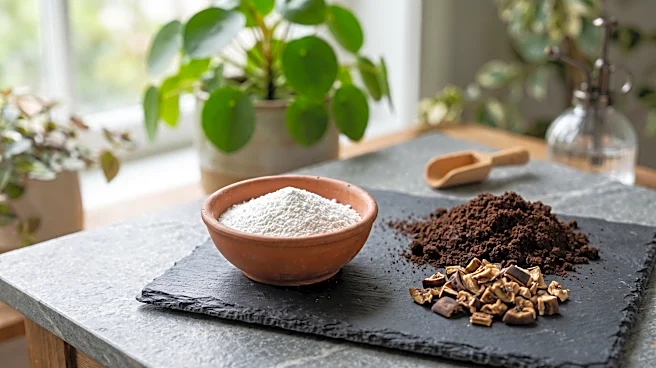
Certain kitchen scraps can provide beneficial nutrients to houseplants, but proper preparation is crucial to avoid issues like mold, pests, or root damage. For instance, used coffee grounds can supply nitrogen, potassium, and magnesium, but must be dried
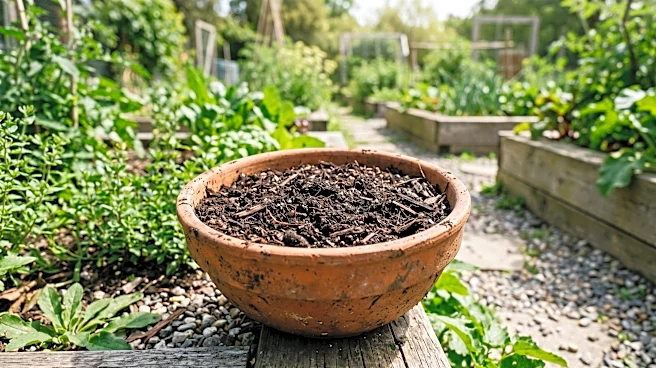
and blended into potting mix or processed through a worm bin to prevent mold. Eggshells, rich in calcium carbonate, should be pulverized into a fine powder and can be soaked in mild acid for faster mineral release. Banana peels, high in potassium, need to be chopped and processed in a compost bin or worm farm, or dehydrated and ground into powder, rather than buried raw. Used tea leaves, offering organic matter and trace nitrogen, should be dried and gently forked into topsoil or added to a worm bin, with tea bags discarded due to plastic fibers. Vegetable scrap tonics, made from cooled, unsalted water from boiled vegetables, can provide minerals. Indoor worm bins are highlighted as an effective method for converting various solid scraps into nutrient-rich vermicompost.
Why It's Important?
This information is important for houseplant enthusiasts and environmentally conscious individuals as it promotes sustainable practices by repurposing kitchen waste. By correctly utilizing these scraps, individuals can reduce household waste and provide natural, gentle boosts to their houseplants, potentially decreasing reliance on commercial fertilizers. This approach not only benefits plant health but also contributes to a more eco-friendly lifestyle. Understanding the correct preparation methods is critical to prevent common problems like pest infestations, mold growth, and root damage, which can arise from improper application. The emphasis on indoor worm bins offers a practical solution for urban dwellers or those with limited outdoor space to engage in composting, making sustainable gardening more accessible.
What's Next?
Houseplant owners are encouraged to experiment with these prepared kitchen scraps, starting with small amounts and monitoring their plants for positive or negative reactions. Investing in tools like a dedicated grinder for eggshells or an indoor worm bin can streamline the preparation process. Further research into specific plant needs and how different nutrients from scraps can address them will enhance the effectiveness of these methods. It is also important to stay informed about which scraps to avoid, such as meat, fish, dairy, oily foods, and salty or sugary leftovers, to maintain plant health and prevent household pests. Continuous learning and careful observation will be key to successfully integrating kitchen scraps into houseplant care routines.
Beyond the Headlines
The trend of using kitchen scraps for houseplants reflects a broader societal movement towards sustainability, waste reduction, and a more holistic approach to home and garden care. This practice challenges conventional consumerism by encouraging individuals to view 'waste' as a valuable resource. Ethically, it aligns with principles of resource conservation and minimizing environmental impact. Culturally, it fosters a DIY spirit and a deeper connection to the natural world, even within urban environments. The long-term implications could include a reduction in household organic waste sent to landfills, a decrease in demand for synthetic fertilizers, and a more informed and engaged community of gardeners who understand the ecological cycles of nutrient return and soil health. This shift could also inspire innovation in home composting technologies and sustainable product development.