







What's Happening?
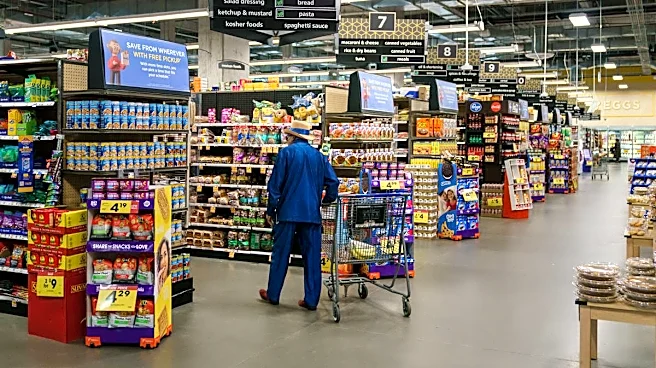
Major U.S. grocery chains, including Aldi, Walmart, Target, and Amazon, have begun implementing aggressive pricing strategies to attract customers amidst a period of overall higher food prices. This development, reported by NBC's Christine Romans on the
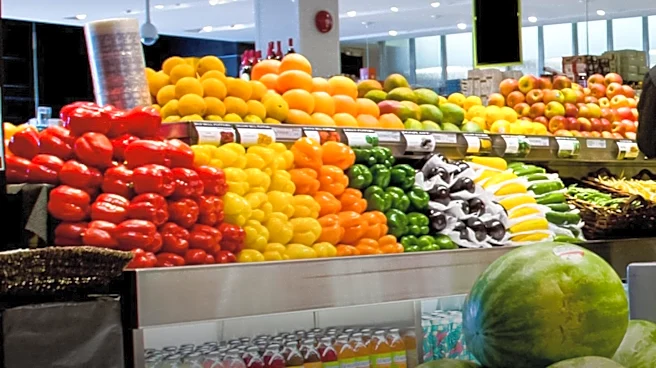
'Today Show,' indicates a shift towards competitive discounting. Consumers are being advised on various methods to maximize savings, such as utilizing cash-back applications, enrolling in loyalty programs, and prioritizing in-season and locally sourced fruits and vegetables. The move by these retailers suggests a concerted effort to alleviate financial pressure on consumers and regain market share in a challenging economic environment.
Why It's Important?
The initiation of price wars among leading grocery retailers is a significant development for the U.S. economy and consumers. For households, it offers a potential reprieve from persistent inflation, particularly in food costs, which have been a major concern. Increased competition could lead to lower prices and more accessible essential goods, improving household budgets. For the grocery industry, this signals a period of intense competition, potentially impacting profit margins for retailers and suppliers. Smaller, independent grocery stores might struggle to compete with the aggressive pricing of larger chains. This trend could also influence agricultural markets, as retailers may pressure suppliers for lower wholesale prices, affecting farmers and food producers. Ultimately, these price wars reflect broader economic pressures and consumer demand for affordability.
What's Next?
In the immediate future, consumers can expect to see more promotional offers and discounts from various grocery chains as the price wars intensify. Retailers will likely continue to innovate with loyalty programs and digital coupons to retain and attract customers. The success of these strategies will be closely monitored by industry analysts, and other retailers may follow suit if the initial efforts prove effective in boosting sales and market share. There could also be a ripple effect on the supply chain, with increased pressure on food manufacturers and farmers to reduce costs. Regulatory bodies might also observe these developments to ensure fair competition and prevent anti-competitive practices. The long-term outcome will depend on consumer response and the sustained financial capacity of these large retailers to maintain aggressive pricing.
Beyond the Headlines
Beyond the immediate financial implications, these grocery price wars highlight deeper societal and economic trends. They underscore the persistent issue of food insecurity and the critical need for affordable access to nutritious food for many American families. The reliance on cash-back apps and loyalty programs also points to the increasing digitalization of consumer behavior and the importance of data analytics in retail strategies. Furthermore, the emphasis on in-season and local produce could subtly influence consumer preferences and support local agricultural economies, aligning with broader sustainability goals. However, it also raises questions about the long-term viability of such aggressive pricing for all market participants and the potential for market consolidation if smaller players are unable to compete.