






What's Happening?
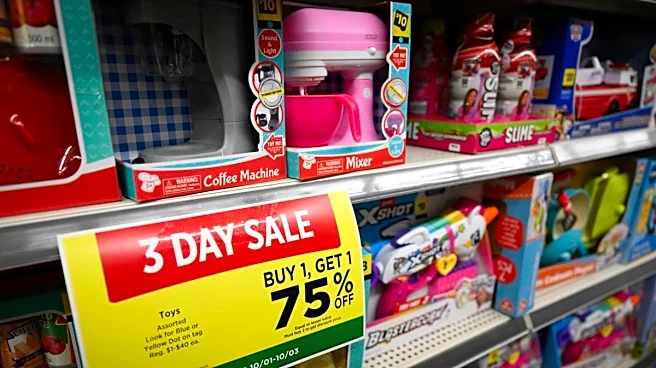
The Federal Trade Commission (FTC), alongside 20 U.S. states, has filed a complaint against Dollar General in the U.S. District Court for the Middle District of Tennessee. The lawsuit alleges that the discount retail chain has engaged in 'long-running
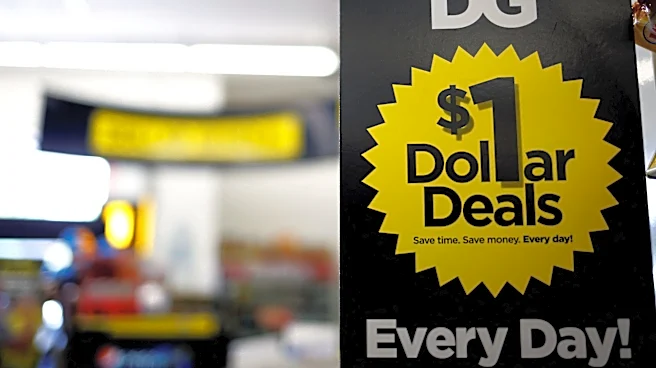
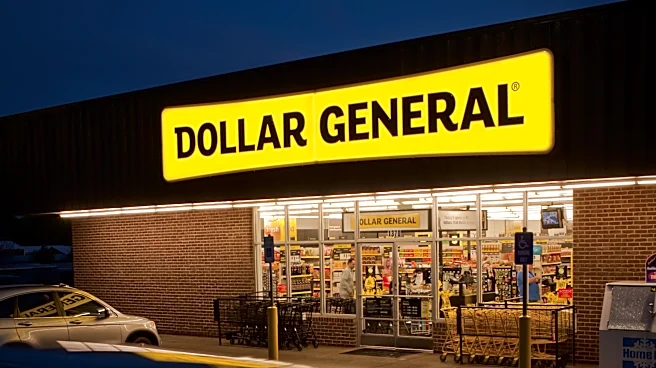
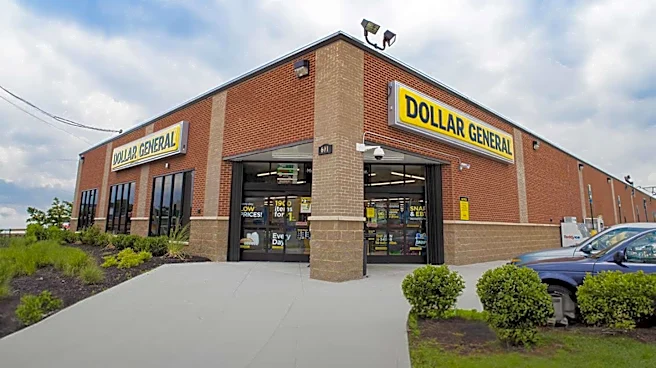
deceptive pricing practices' by consistently charging customers higher prices at the register than those displayed on shelves, price tags, and in advertisements. This practice, according to the plaintiffs, has cost consumers millions of dollars and violates the FTC Act, the Gramm-Leach-Bliley Act, and various state laws. Dollar General, headquartered in Goodlettsville, Tennessee, operates over 21,000 stores nationwide and markets itself as an affordable alternative for consumers, particularly those on fixed incomes who rely on accurate pricing. Christopher Mufarrige, director of the FTC’s Bureau of Consumer Protection, stated that Dollar General has 'betrayed the trust of millions of American consumers' and caused significant financial harm.
Why It's Important?
This lawsuit is significant because it addresses a widespread issue of consumer protection, particularly impacting vulnerable populations who depend on discount retailers for essential goods. The alleged deceptive pricing practices by Dollar General could erode consumer trust in retail pricing transparency across the industry. If the allegations are proven, it could lead to substantial financial penalties for Dollar General and potentially force other retailers to re-evaluate their pricing accuracy and display methods. For consumers, especially those on fixed incomes, accurate pricing is crucial for managing household budgets. The involvement of the FTC and 20 states underscores the perceived severity and broad impact of these practices, highlighting a collective effort to safeguard consumer rights and ensure fair market practices. The outcome of this case could set a precedent for how pricing discrepancies are handled in large retail chains.
What's Next?
Dollar General has stated its intention to 'defend this litigation vigorously,' indicating a potentially protracted legal battle. The company claims it worked in good faith to resolve the matter without litigation and that the FTC's monetary demands were 'untethered' to any realistic assessment of pricing discrepancies. The legal proceedings will likely involve discovery, motions, and potentially a trial to determine the extent of the alleged deceptive practices and the financial harm caused to consumers. Depending on the court's decision, Dollar General could face significant fines, be ordered to implement new pricing accuracy measures, or be required to provide restitution to affected customers. This case may also prompt increased scrutiny from regulatory bodies on pricing practices across the retail sector, potentially leading to new regulations or enforcement actions against other companies found to be engaging in similar conduct.
Beyond the Headlines
Beyond the immediate legal and financial implications, this lawsuit touches upon broader ethical considerations regarding corporate responsibility and consumer trust. The alleged practices highlight a potential systemic issue where large retailers might exploit pricing complexities, knowingly or unknowingly, to their advantage. This case could spark a wider public discourse on the adequacy of current consumer protection laws and the need for more stringent oversight of pricing accuracy in retail environments. It also underscores the challenges faced by consumers in verifying prices, especially in fast-paced retail settings. The outcome could influence consumer behavior, leading to increased vigilance among shoppers and potentially driving demand for more transparent pricing technologies or clearer display standards across the retail industry. The involvement of multiple state attorneys general also points to a growing trend of coordinated legal action against corporations perceived to be harming consumers on a large scale.