



What's Happening?
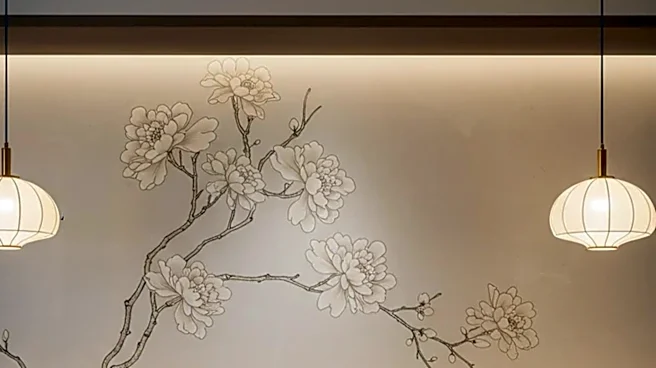
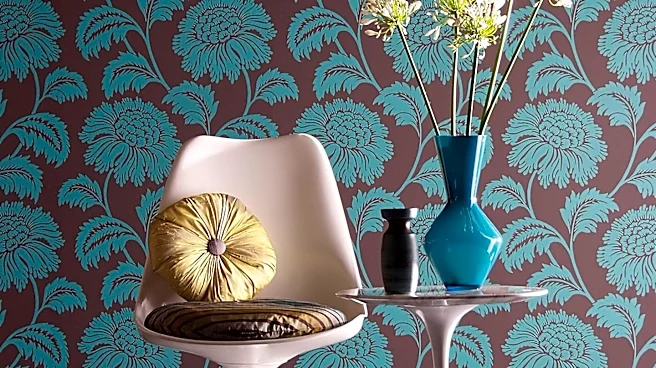
Wall murals are being highlighted as a distinct interior design choice, differing from traditional repeating wallpaper patterns. Unlike wallpaper, which features a continuous motif from panel to panel, murals present one continuous scene or composition
across an entire wall. This characteristic means that the placement of furniture and the presence of architectural features like doors and windows significantly impact how a mural's design is perceived. For optimal visual impact, sources suggest installing murals on wide, uninterrupted walls. Examples of suitable themes include woodland, dinosaur, safari, space, and map scenes, particularly for children's rooms, with customization options available. The choice between peel-and-stick and traditional paste-installed materials is also noted, with considerations for wall texture and commercial-grade requirements.
Why It's Important?
The distinction between wall murals and repeating wallpaper patterns is crucial for consumers and interior designers in the U.S. market. Understanding this difference allows for more informed design decisions, ensuring that the chosen wall covering effectively achieves the desired aesthetic. For homeowners, selecting a mural requires careful planning regarding furniture placement to avoid obscuring key elements of the continuous artwork. This emphasis on a single, expansive image can create a more immersive and impactful visual experience compared to repetitive patterns. For businesses in the interior design and home decor sectors, this highlights a market for specialized products and services, including custom sizing and design edits, catering to specific client needs and wall dimensions. The availability of different material types, such as peel-and-stick for ease of installation and commercial-grade options for durability, also broadens the application possibilities across residential and commercial spaces.
What's Next?
As the popularity of personalized interior design continues to grow, the market for custom wall murals is likely to expand. Manufacturers and retailers may focus on offering more diverse themes and customization options to cater to individual preferences and specific room requirements. There could be an increased emphasis on digital tools that allow customers to preview how a mural will look on their wall, taking into account furniture and architectural elements. Furthermore, advancements in material technology might lead to easier installation methods and more durable, eco-friendly options. Educational efforts for consumers and designers on the optimal application and aesthetic considerations for murals, as opposed to traditional wallpaper, will also be important to ensure customer satisfaction and successful design outcomes.
Beyond the Headlines
The rise of wall murals reflects a broader cultural shift towards personalization and experiential design within living and working spaces. Beyond mere decoration, murals can transform a room into a narrative or an immersive environment, offering a unique form of artistic expression that goes beyond conventional decor. This trend also touches upon the psychological impact of interior spaces, where continuous, scenic imagery can evoke specific moods, inspire creativity, or provide a sense of escape. The ability to customize designs further empowers individuals to curate their surroundings in a way that reflects their identity and aspirations. This move away from mass-produced, repetitive patterns towards unique, large-scale art pieces suggests a growing appreciation for bespoke aesthetics and the emotional connection individuals have with their personal environments.