








What's Happening?
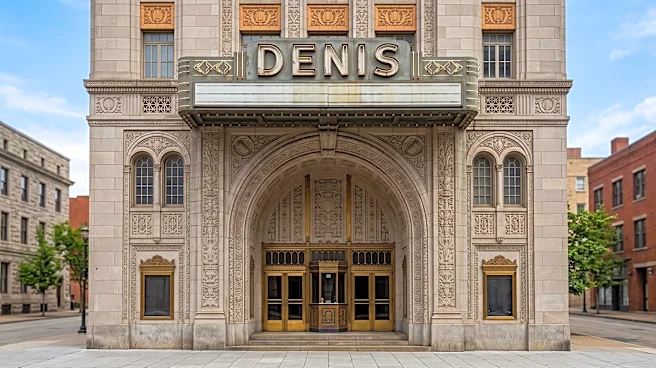
The Denis Theatre Foundation, a nonprofit organization, is seeking to partner with a "major entertainment company" to reopen the nearly 90-year-old Denis Theatre in Mt. Lebanon, Pennsylvania. Jon Delano, president of the foundation, stated that this partnership
represents the "last best chance" to restore the theater, which closed in 2004, or the building will likely be sold. The foundation announced earlier this year that it had entered into a confidentiality agreement with the unnamed company to restore the theater as a performing arts center and film exhibition venue. Delano anticipates announcing the company in six to eight weeks, with a projected reopening within 18 to 24 months. The foundation would retain ownership, while the partner company would handle operations. This initiative follows several failed attempts to revive the theater since the foundation acquired it in 2010, including a recent expired partnership with Row House Cinemas due to fundraising challenges and Row House's focus on another local theater.
Why It's Important?
The potential reopening of the Denis Theatre holds significant importance for the Mt. Lebanon community and the broader Pittsburgh-area entertainment landscape. The theater, once a local staple, could provide a much-needed cultural hub, offering film exhibitions and performing arts. Its revival aligns with a national trend of increasing movie theater attendance post-pandemic, particularly among younger audiences seeking communal experiences away from digital devices. For independent cinemas, this resurgence presents an opportunity to thrive by showcasing classic and arthouse films. The success of this partnership could serve as a model for other historic community theaters struggling to reopen, demonstrating the viability of collaborations with larger entertainment entities. Conversely, if this effort fails, it underscores the persistent challenges faced by local nonprofits in sustaining large-scale cultural restoration projects without substantial external investment, potentially leading to the loss of a historic landmark.
What's Next?
The immediate next step involves Jon Delano, president of the Denis Theatre Foundation, announcing the identity of the "major entertainment company" within the next six to eight weeks. Following this announcement, details regarding the financial aspects of the partnership, including fundraising goals and amounts raised, are expected to become clearer, though a confidentiality agreement currently limits disclosure. The foundation and its new partner will then proceed with the restoration and construction phases, aiming for a reopening within 18 to 24 months. If the partnership does not materialize or proves unsuccessful, the foundation's board will likely consider selling the building, marking a definitive end to its efforts to revive the theater. The community will be closely watching these developments, as the outcome will determine the future of a long-standing local landmark and its potential contribution to the cultural life of Mt. Lebanon.
Beyond the Headlines
The ongoing saga of the Denis Theatre highlights broader themes concerning the preservation of historic community spaces and the evolving landscape of entertainment consumption. The shift from local, volunteer-driven restoration efforts to seeking a partnership with a "major entertainment company" reflects a pragmatic acknowledgment that significant capital and operational expertise are often required to sustain such ventures in the modern era. This trend could lead to a consolidation of cultural assets under larger corporate entities, potentially altering the local character and programming autonomy of community theaters. Furthermore, the narrative underscores the resilience of the cinema experience, even in the age of streaming, as audiences, particularly younger generations, are increasingly valuing the communal and immersive aspects of moviegoing. The Denis Theatre's fate will offer insights into the delicate balance between historical preservation, community aspirations, and the economic realities of the contemporary entertainment industry.