



What's Happening?
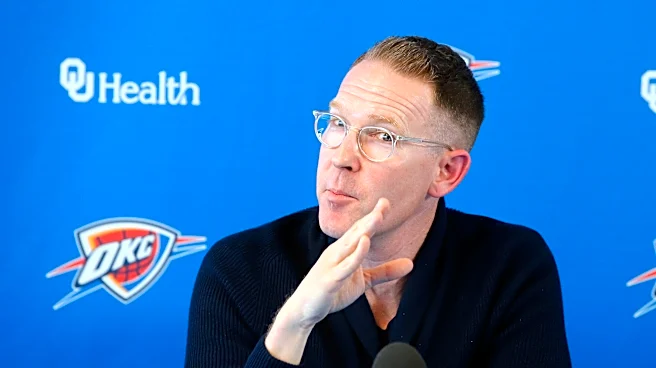
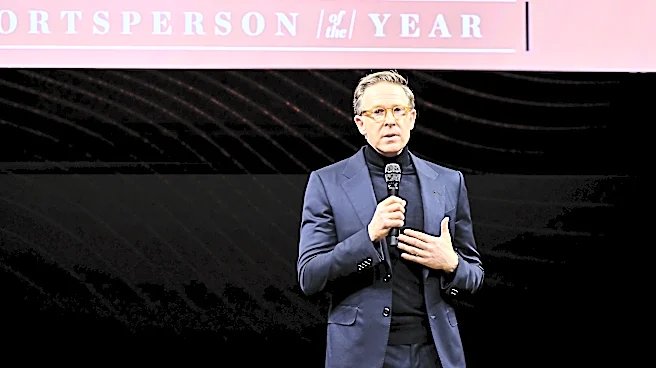
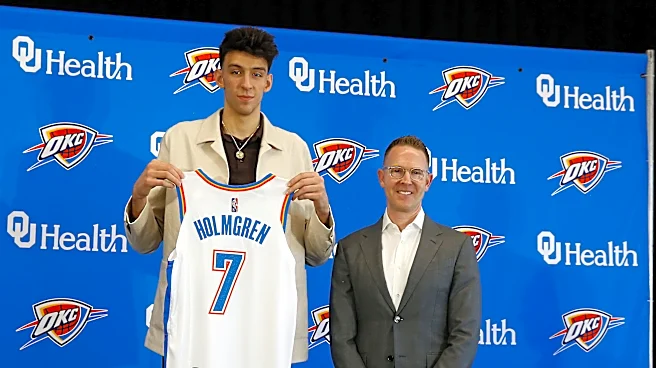
Oklahoma City Thunder head coach Mark Daigneault, entering his seventh season, discussed the team's approach to evaluating new players, specifically rookies Aday Mara and Bennett Stirtz, during NBA media day. Daigneault highlighted General Manager Sam
Presti's unique draft philosophy, which extends beyond on-court performance and statistics. Presti reportedly focuses on whether a prospect can be envisioned as a cultural fit within the team, specifically imagining them 'standing over there with the team watching film.' This indicates a priority on unselfishness, accountability, and a willingness to contribute to the team's established environment. Daigneault noted that he already observes these qualities in Mara and Stirtz, suggesting they align with the Thunder's team identity. Mara brings significant size and offensive skills, while Stirtz offers another young guard for development within the system. The coach emphasized that the organization collects various data points throughout summer leagues and training camps but avoids premature conclusions about a player's ultimate role or impact.
Why It's Important?
This insight into the Oklahoma City Thunder's draft philosophy is significant because it reveals a strategic approach to team building that prioritizes cultural fit and long-term integration over immediate individual performance metrics. In the competitive landscape of the NBA, where team chemistry and a cohesive locker room can be as crucial as raw talent, Presti's method aims to cultivate a sustainable winning culture. By selecting players like Mara and Stirtz who are perceived to naturally fit the team's values of unselfishness and accountability, the Thunder aim to streamline the integration process for new talent. This approach can lead to greater stability and fewer internal conflicts, potentially enhancing on-court performance and fostering a more resilient team. For other NBA franchises, this could serve as a case study in alternative player evaluation, emphasizing character and team compatibility alongside athletic prowess. The success of this philosophy could influence future draft strategies across the league, highlighting the importance of intangible qualities in player selection.
What's Next?
As the NBA season progresses, the focus will be on how Aday Mara and Bennett Stirtz integrate into the Oklahoma City Thunder's system and whether their perceived cultural fit translates into on-court contributions. While Coach Daigneault has not promised significant minutes for either rookie, their development within the team's established environment will be closely watched. Their willingness to learn and compete within the team's structure, rather than seeking individual recognition, will be key to their success. The Thunder's coaching staff will continue to collect data points from their performances in practices, summer leagues, and any potential game time to determine their evolving roles. The organization's commitment to its unique draft philosophy suggests a patient approach to player development, allowing Mara and Stirtz to grow within the team's culture. Their progress will serve as an ongoing test of Presti's strategy, potentially influencing future draft decisions and team-building efforts.
Beyond the Headlines
The Thunder's emphasis on cultural fit in player selection, as articulated by Coach Daigneault regarding Sam Presti's philosophy, highlights a deeper trend in professional sports: the increasing recognition of soft skills and character as critical components of team success. Beyond the quantifiable metrics of points, rebounds, or assists, the ability of a player to integrate seamlessly into a team's ethos, embrace accountability, and prioritize collective goals can significantly impact long-term performance and organizational stability. This approach challenges the traditional, often talent-first, model of player acquisition by suggesting that a player's disposition and alignment with team values can be as valuable as their athletic potential. Ethically, it underscores the importance of creating a supportive and cohesive work environment, where individuals are valued not just for their output but for their contribution to the overall group dynamic. This could lead to a broader re-evaluation of scouting and recruitment strategies across various sports, emphasizing psychological profiles and cultural compatibility alongside physical attributes.