


What's Happening?
The children's fashion industry is seeing a resurgence of vintage-inspired clothing, characterized by styles, patterns, and silhouettes from past decades, ranging from the 1920s to the 1990s. This trend focuses on new clothing designed with a nostalgic
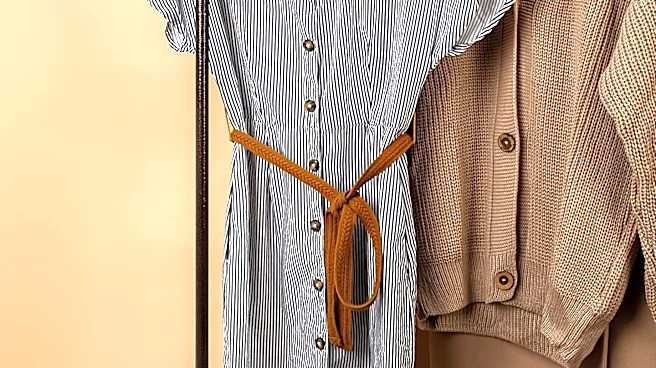
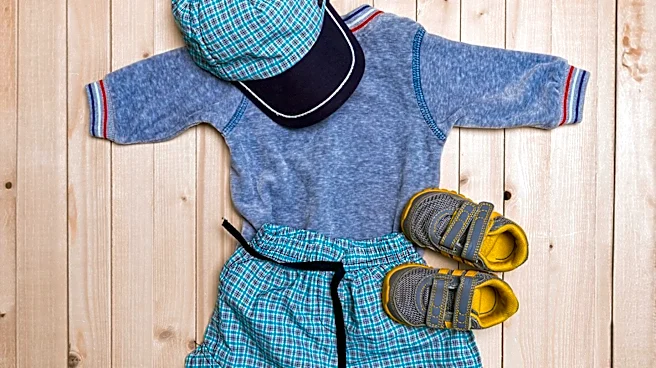
aesthetic, rather than actual secondhand items. Key features include Peter Pan collars, hand-smocking, ruffles, puffed sleeves, and delicate embroidery. Fabric choices lean towards heritage textures like corduroy, gingham, plaid, tweed, velvet, and chunky knits. Silhouettes are typically relaxed and classic, such as overalls, A-line pinafores, high-rise shorts with suspenders, and simple tailored dresses. A significant aspect of this trend is its inherent gender-neutrality, as many of these classic styles, like basic tees, denim, overalls, and simple knitwear, were originally worn by all children regardless of gender before modern marketing created distinct 'boys' and 'girls' categories. This approach allows for greater flexibility in children's wardrobes.
Why It's Important?
This shift towards gender-neutral, vintage-inspired kidswear holds importance for several reasons. Firstly, it challenges traditional gender stereotypes in children's clothing, promoting a more inclusive approach to fashion from a young age. By offering styles that are not strictly categorized by gender, it allows children and parents more freedom in expression and choice, moving away from hyper-specific gendered marketing. Secondly, the emphasis on classic tailoring and sturdy construction, characteristic of vintage designs, suggests a move towards more durable and timeless clothing. This could potentially counteract the fast-fashion cycle, encouraging parents to invest in pieces that hold up better and remain stylish across seasons, thus offering better value and potentially reducing textile waste. Lastly, the nostalgic appeal resonates with parents, connecting them to their own childhoods or those of their parents, fostering a sense of comfort and familiarity in their children's attire.
What's Next?
The continued growth of the vintage-inspired kidswear trend suggests that more brands may adopt gender-neutral designs and classic aesthetics. Consumers can expect to see an increase in clothing lines that prioritize durability, comfort, and timeless style over fleeting trends. This could lead to a broader availability of versatile pieces that can be passed down between siblings, regardless of gender, or have a longer lifespan in a child's wardrobe. Retailers might also adjust their merchandising strategies, potentially moving away from strictly gender-segregated sections in favor of more integrated displays. Furthermore, the success of this trend could influence other sectors of the fashion industry to explore more gender-inclusive and sustainable design practices, reflecting a growing consumer demand for conscious consumption and less restrictive fashion norms.
Beyond the Headlines
Beyond the immediate fashion implications, the rise of gender-neutral vintage-inspired kidswear reflects a broader societal conversation about gender identity and expression. By offering clothing that transcends traditional gender boundaries, this trend contributes to normalizing the idea that clothing does not dictate gender. It empowers children to choose what they like without feeling confined by societal expectations associated with specific colors or styles. This cultural shift could have long-term effects on how future generations perceive gender roles in various aspects of life, fostering a more open and accepting environment. Additionally, the focus on classic, durable designs subtly promotes a more sustainable consumption model, encouraging a departure from disposable fashion and fostering an appreciation for quality and longevity in garments, which aligns with growing environmental consciousness.