
What's Happening?
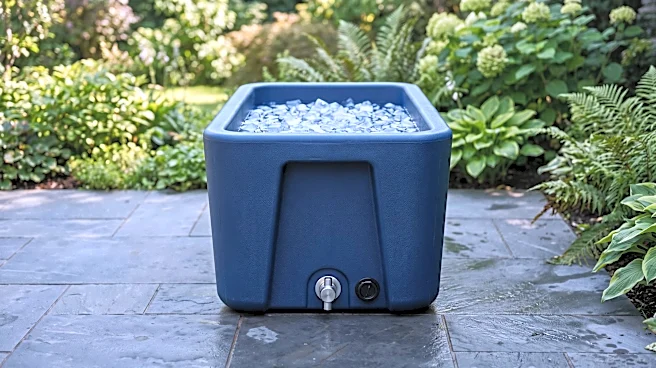
The increasing popularity of portable ice baths among athletes has brought to light a significant, often overlooked, challenge: the disposal of large volumes of used water. While product specifications
typically focus on capacity, wall thickness, and insulation, they frequently omit practical details regarding drainage. Athletes often find themselves with 300 to 400 kilograms of water that needs to be removed from their tubs, a task that can be cumbersome and messy without proper planning. The drain route, the type of drain valve, and the need for additional equipment like submersible utility pumps are critical considerations that are rarely highlighted before purchase. This oversight can lead to tubs being abandoned or underutilized due to the logistical difficulties of water management. Furthermore, proper maintenance, including drying the tub after each use and inspecting seals, is crucial for longevity, yet often neglected.
Why It's Important?
This issue is important because it highlights a gap in product design and consumer information within the growing athletic recovery market. Many athletes invest in portable ice baths for their perceived benefits in muscle soreness reduction, but the practicalities of ownership can quickly become a deterrent. The lack of clear guidance on water disposal can lead to frustration, improper use, and ultimately, a negative perception of the product category. For manufacturers, addressing this concern could improve customer satisfaction and product longevity. For consumers, understanding these practical challenges upfront can prevent unexpected difficulties and ensure they make informed purchasing decisions. The effectiveness of cold water immersion, while supported by research for reducing soreness, is contingent on consistent use, which is hampered by these logistical hurdles.
What's Next?
Manufacturers of portable ice baths may need to re-evaluate their product information and design to better address water disposal. This could involve clearer instructions on drain routes, recommendations for utility pumps, or even integrated drainage solutions. Retailers could also play a role by providing more comprehensive pre-purchase advice. For athletes considering an ice bath, it is advisable to map out a drain route and assess disposal options before purchasing. Additionally, understanding the maintenance requirements, such as drying the tub and inspecting seals, will be crucial for extending the product's lifespan and ensuring hygienic use. The industry might see a shift towards more user-friendly designs that simplify the entire ice bath experience, from setup to cleanup.
Beyond the Headlines
Beyond the immediate practicalities, this situation touches upon broader themes of consumer expectations versus product reality. In an age where convenience is highly valued, products that present unforeseen logistical burdens can quickly lose their appeal. This also underscores the importance of holistic product design, where the entire user journey, including post-use processes, is considered. Ethically, manufacturers have a responsibility to provide complete and transparent information to consumers, preventing potential environmental issues from improper water disposal or product waste due to disuse. Culturally, the emphasis on quick recovery solutions in sports often overshadows the mundane but essential aspects of product ownership and maintenance, leading to a cycle of purchase, frustration, and abandonment.