








What's Happening?
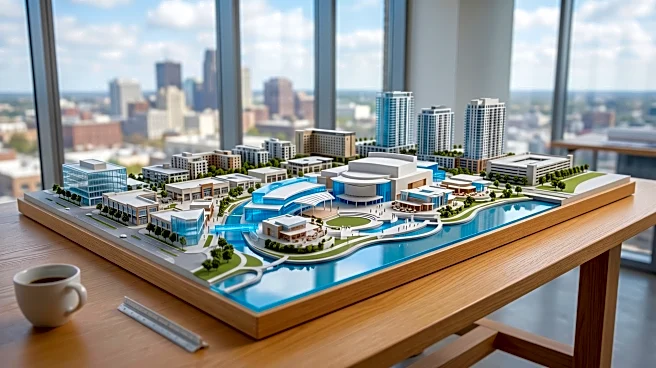
The Belton City Council is scheduled to vote on a proposal to approve $250 million in tax incentives for a new multi-use entertainment, dining, retail, and residential district. This development, planned for approximately 40 acres of farmland along 163rd
Street to 58 Highway, aims to transform the area. The proposed district includes a B&B movie theater, a go-cart track, a bowling alley, five 6,000-square-foot sit-down restaurants, 7,500 square feet of retail space, and over 600 new apartments, with the entertainment complex alone spanning 110,000 square feet. Developer Tyler Burks, managing director of development at PETRA, estimates the project will generate $16 million in new wages, create 500 new jobs, attract 1,200 new residents, and bring in millions in new tax revenue. The project currently faces a $53 million financing gap, which is the difference between its expected financial return and the investment needed by PETRA. The $250 million funding mechanism, a Chapter 100 Industrial Bond, would cover a 20-year period and is expected to match $250 million in private investment.
Why It's Important?
This vote is crucial for the economic development of Belton, Missouri, as it could usher in a significant entertainment and residential hub. The project promises substantial economic benefits, including job creation and increased tax revenue, which could support local schools, parks, and recreation. However, the use of Chapter 100 Industrial Bonds means the developer would save an estimated $56 million in property taxes over two decades, funds that would otherwise go to local taxing jurisdictions. Additionally, sales taxes on construction materials would be eliminated. While the city council has separately approved up to $7 million in sales tax reimbursements to the developer from new businesses, residents like Star Thomas-Wyse express concern about potential financial burdens on taxpayers. The project's success hinges on its ability to attract visitors and residents without negatively impacting existing community finances, making the council's decision a balancing act between growth and fiscal responsibility.
What's Next?
If the Belton City Council approves the tax incentives, the project is expected to break ground in December or early 2027. This initial vote is the first step, and the council will need to vote again at its next meeting in two weeks for the incentives to be formally enacted. Developer Tyler Burks has also indicated that PETRA will return to the city council in the near future to request additional sales tax incentives. The community will be closely watching the project's progress and its impact on local services and the economy. The developer and city leaders maintain that the financial liability for the project rests with PETRA, not taxpayers, in the event of underperformance, a claim that will be tested as the development unfolds.
Beyond the Headlines
The proposed entertainment district in Belton highlights a broader trend in urban and suburban development where municipalities use significant tax incentives to attract large-scale projects. This strategy often sparks debate about the long-term benefits versus the immediate tax revenue sacrifices. While proponents emphasize job creation and economic revitalization, critics often point to the potential for public funds to subsidize private ventures, raising questions about equitable resource allocation and the true cost to taxpayers. The project's reliance on Chapter 100 Industrial Bonds and sales tax reimbursements underscores the complex financial engineering involved in such developments. The success or failure of this project could influence future incentive-based development decisions in other U.S. cities, setting a precedent for how communities balance growth ambitions with fiscal prudence and community welfare.