





What's Happening?
Filippo Cardone, 48, who pleaded guilty to wire fraud and was sentenced to 37 months of confinement, including 13 months in Tucson Federal Prison, underwent a significant health transformation during his incarceration. Upon entering prison, Cardone weighed
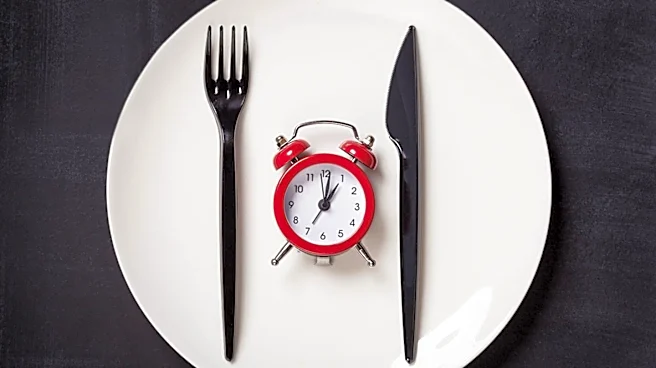
278 pounds with a blood pressure of 157/117. He adopted a strict diet and an intense bodyweight workout routine, which he credits for helping him lose 85 pounds. His diet consisted of commissary items like shredded beef (rinsed of oil), tuna, and protein shakes made with powder, milk, and peanut butter. He also consumed fruits and vegetables when available and practiced intermittent fasting, eating all meals between 8 a.m. and 10 a.m. His workout regimen, often starting at 5 a.m., included burpees, push-ups, bear crawls, planks, jumping jacks, pull-ups, and lunges. He also engaged in a challenging routine dubbed the 'Mike Tyson,' involving thousands of push-ups, bodyweight squats, dips, and crunches. Lacking traditional gym equipment, Cardone and a fellow inmate improvised, using laundry bags filled with rocks for weights and a rake for pull-ups.
Why It's Important?
Cardone's story highlights the potential for significant personal transformation even within restrictive environments like the prison system. His experience demonstrates that a lack of conventional resources does not necessarily preclude achieving substantial health and fitness goals, emphasizing resourcefulness and determination. This narrative could inspire individuals facing similar limitations, whether due to incarceration, financial constraints, or lack of access to gyms, to pursue bodyweight and improvised fitness solutions. Furthermore, it underscores the psychological benefits of maintaining a structured routine and setting personal goals in challenging circumstances, as Cardone stated his workouts brought him 'right back there' and 'changed his life.' The story also subtly touches upon the broader public health implications within correctional facilities, where inmates often face health challenges upon entry, and proactive health management can lead to positive outcomes.
What's Next?
Following his release from federal prison, where he weighed 193 pounds, Cardone transitioned to a halfway house for five months before moving to house arrest. He plans to leverage his experience to inspire others by opening performance clubs. These clubs are envisioned to offer blood testing, high-end facilities such as saunas, hyperbaric chambers, steam rooms, and red-light therapy. Cardone aims to launch five to six locations within the next three to five years and intends to sell his own line of vitamins and protein powders. He emphasizes that this new venture is not driven by financial gain, as he already possesses wealth, but rather by a desire to 'give back' and share the lessons learned from his transformative journey.
Beyond the Headlines
Cardone's journey extends beyond a simple weight loss story; it delves into themes of resilience, adaptation, and the human capacity for self-improvement under duress. His ability to transform his physical and mental state within the confines of prison, using minimal resources, speaks to the power of intrinsic motivation and the psychological benefits of discipline. The narrative also subtly critiques the prison environment by highlighting the need for improvisation due to lack of equipment, yet simultaneously showcases how such limitations can foster creativity. His future plans to open performance clubs reflect a desire to translate a personal ordeal into a public service, offering a unique perspective on rehabilitation and the potential for individuals to emerge from challenging experiences with a renewed sense of purpose and a commitment to community well-being. This transformation also touches on the societal perception of incarcerated individuals and their potential for positive change.