






What's Happening?
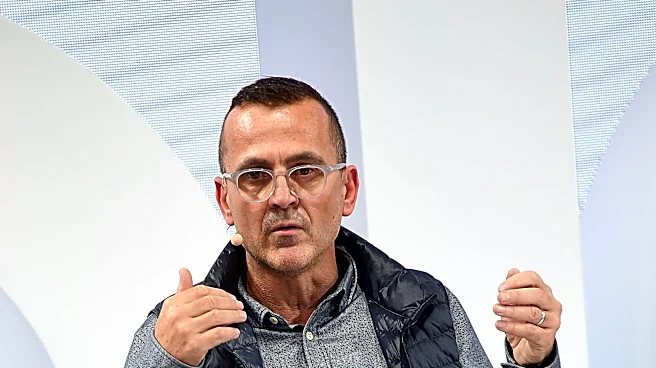
Steven Kolb, the longtime chief executive of the Council of Fashion Designers of America (CFDA), has resigned from his position. This decision comes days after an incident at a New York Fashion Week runway show where Kolb was filmed physically restraining
two animal rights protesters. The altercation occurred during a show for Cos, a brand owned by H&M, where employees of People for the Ethical Treatment of Animals (PETA) attempted to disrupt the event. Kolb had previously apologized for his actions and announced he was taking a leave of absence pending an investigation. The CFDA acknowledged Kolb's decision, stating they respect it and are grateful for his two decades of leadership and service to the organization and the fashion industry. PETA had initially considered filing a police report but later changed course, expressing a desire to meet with Kolb and other industry figures to discuss ending the use of animal products in fashion.
Why It's Important?
Kolb's resignation marks a significant moment for the CFDA, the primary trade organization for the U.S. fashion industry. His departure, especially under these circumstances, highlights the increasing pressure on the fashion world to address ethical concerns, particularly regarding animal welfare. The incident underscores the growing visibility and impact of activist groups like PETA, who are actively challenging industry practices. This event could prompt other fashion organizations and brands to re-evaluate their security protocols and engagement strategies with protesters. It also brings to the forefront the delicate balance between protecting creative expression and responding to public and ethical demands. The CFDA's future leadership will likely face heightened scrutiny regarding its stance on sustainability and ethical sourcing, potentially influencing design trends and supply chain decisions across the American fashion landscape.
What's Next?
The CFDA will now need to appoint a new chief executive to lead the organization. This transition will be closely watched by the fashion industry, animal rights groups, and the public. PETA has indicated its intention to meet with Kolb and other industry leaders to advocate for an end to the use of wool and animal skins in clothing. This suggests continued activism and potential for further dialogue and policy changes within the fashion sector. The incident may also lead to a review of security measures at future fashion events to prevent similar disruptions. The new leadership of the CFDA will likely be tasked with navigating these evolving ethical considerations and maintaining the organization's influence in a rapidly changing industry landscape.
Beyond the Headlines
This incident goes beyond a simple security breach at a fashion show; it reflects a broader societal shift in consumer values and ethical expectations from corporations. The public's increasing awareness of animal welfare and environmental impact is compelling industries, including fashion, to confront their practices. Kolb's actions and subsequent resignation could serve as a cautionary tale for leaders in other sectors, emphasizing the importance of de-escalation and thoughtful engagement with activist movements. It also highlights the power of visual media in shaping public perception and influencing corporate decisions. The long-term implications could include a more pronounced move towards sustainable and cruelty-free materials in fashion, potentially reshaping supply chains and design philosophies across the industry.