






What's Happening?
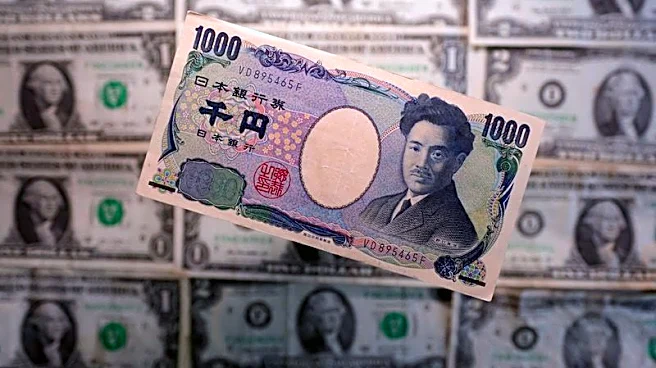
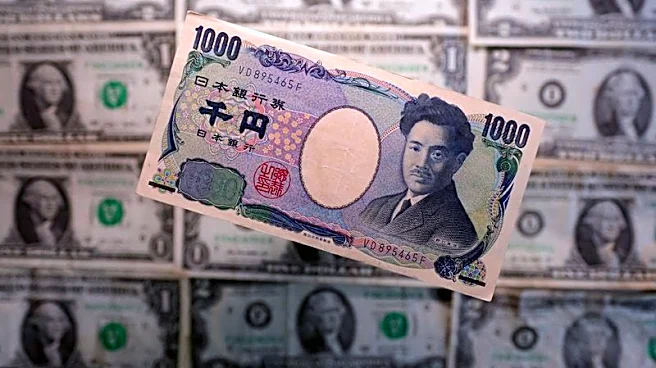
U.S. Treasury Secretary Scott Bessent has expressed support for Japan's intervention in the currency market to stabilize the yen, which he described as significantly undervalued. In a recent interview, Bessent noted that the yen has overshot its equilibrium,
and the U.S. views the resulting market volatility as unhealthy. Japan's intervention aims to counteract the yen's depreciation, but rising U.S. Treasury yields pose a challenge to these efforts.
Why It's Important?
Bessent's comments highlight the interconnectedness of global financial markets and the impact of U.S. monetary policy on international currencies. The yen's depreciation affects global trade dynamics, particularly for U.S. businesses operating in Japan. The U.S. Treasury's stance may influence future monetary policy decisions and international economic relations. This situation underscores the delicate balance central banks must maintain to ensure currency stability while addressing domestic economic conditions.
What's Next?
Japan may continue its intervention efforts to stabilize the yen, potentially coordinating with other central banks to manage currency volatility. The U.S. Treasury's position could lead to discussions on international monetary cooperation to address global economic challenges. Market participants will closely monitor U.S. Treasury yields and their impact on currency markets, influencing investment strategies and economic forecasts.