



What's Happening?
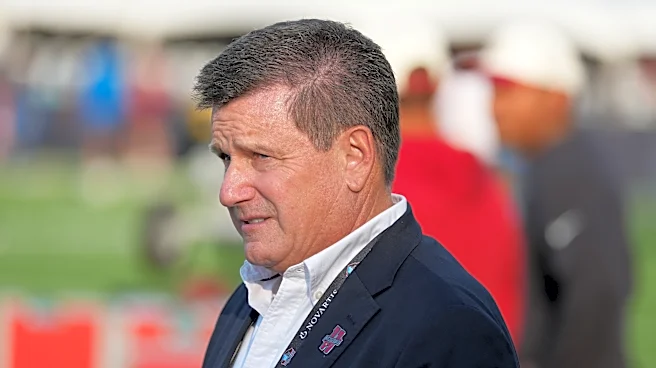
Frustrated Arizona Cardinals fans have funded and erected electronic billboards across the Phoenix area, explicitly calling for team owner and president Michael Bidwill to sell the franchise. The billboards display the message 'SELL THE TEAM. Funded by
Cardinals Fans. #BIDWILLOUT.' This campaign is spearheaded by social media influencer Nathan Kropp, known as Mr. Az Sports, who initiated a GoFundMe page to finance the advertisements. The fan discontent stems from a prolonged period of underperformance, with the team not having won a playoff game since 2015, and a recent four-game losing streak following an initial win. Kropp noted a significant outrage among the fanbase, suggesting a widespread desire for change in ownership. The Cardinals organization has not issued a comment regarding the billboards. This fan action follows other off-field issues, including the replacement of the 'Red Sea' end-zone section with luxury casitas and a racial discrimination lawsuit filed against the team by two former employees.
Why It's Important?
This fan-led billboard campaign highlights a growing trend of direct public action by sports enthusiasts to influence team ownership and management decisions. It underscores the significant financial and emotional investment fans have in their local sports franchises, and their willingness to mobilize resources to express dissatisfaction. For the Arizona Cardinals, this public display of dissent could put pressure on Michael Bidwill and the organization, potentially impacting public perception, season ticket sales, and overall fan engagement. The situation also brings to light the delicate balance between a team's business operations and its relationship with its fanbase. While the Cardinals are involved in community initiatives, such as the Cardinals Climb for individuals with intellectual and developmental disabilities, the fan frustration suggests that on-field performance and certain business decisions are overshadowing these positive contributions in the eyes of many supporters. The lawsuit alleging racial discrimination further complicates the team's public image and could contribute to the broader sentiment of dissatisfaction.
What's Next?
The immediate next steps will likely involve continued monitoring of the fan campaign's reach and impact. Nathan Kropp's GoFundMe page, which quickly raised significant funds, indicates a sustained effort from the fanbase. It remains to be seen if the Arizona Cardinals organization will eventually address the billboards or the underlying fan grievances, or if they will continue to decline comment. The ongoing racial discrimination lawsuit against the team will also proceed, potentially adding further scrutiny to the franchise's internal operations and public standing. Depending on the team's performance in upcoming games, fan sentiment could either intensify or subside. The campaign could inspire similar actions from fan bases of other struggling sports franchises, setting a precedent for direct fan intervention in ownership matters. Future developments might include more billboards, organized protests, or a formal response from the team's leadership.
Beyond the Headlines
This situation transcends typical fan frustration, touching upon the evolving dynamics between professional sports franchises and their communities. The 'SELL THE TEAM' movement, funded by fans, signifies a shift in how supporters perceive their role—from passive consumers to active stakeholders demanding accountability. It raises questions about the ethical responsibilities of team ownership, particularly when long-term underperformance and controversial business decisions alienate a loyal fanbase. The replacement of a dedicated fan section with luxury amenities, coupled with a racial discrimination lawsuit, suggests a potential disconnect between the organization's priorities and the values of its community. This incident could serve as a case study for other sports organizations on the importance of maintaining strong community ties and transparent communication, especially when facing public criticism. It also highlights the power of social media and crowdfunding in enabling collective action and amplifying public sentiment in the digital age.