



What's Happening?
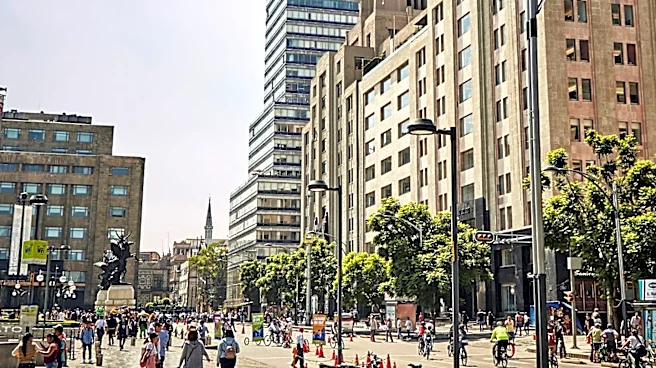
Mexico City is gaining recognition as a vibrant capital city, celebrated for its rich culture and diverse culinary scene, particularly in the Roma and Condesa neighborhoods. The city offers a wide array of attractions, including numerous museums, impressive
architecture, trendy cafes, and a lively nightlife. Beyond the urban core, visitors can explore historical sites like Teotihuacan and ancient waterway towns through day trips. The city is frequently compared to Oaxaca, another Mexican destination known for its food and culture, though Mexico City is distinguished by its larger, more modern urban environment and broader culinary landscape. It caters to a wide range of travelers, including couples, families, solo travelers, backpackers, luxury travelers, and digital nomads, offering experiences from cultural immersion to gastronomic adventures.
Why It's Important?
The rise of Mexico City as a premier travel destination signifies a growing interest in urban cultural tourism within Latin America. This trend can boost local economies through increased tourism revenue, supporting small businesses, the hospitality sector, and cultural institutions. For U.S. travelers, Mexico City offers an accessible international destination with a rich cultural experience, potentially diverting tourism from more traditional European or Asian destinations. The city's appeal to digital nomads also highlights its growing infrastructure and connectivity, positioning it as a hub for remote workers and fostering international business connections. This increased visibility can also lead to greater cultural exchange and understanding between the U.S. and Mexico.
What's Next?
As Mexico City continues to grow in popularity, further development in its tourism infrastructure, including new hotels, restaurants, and cultural attractions, is anticipated. The city may also see an increase in international flights and direct travel routes, making it even more accessible to U.S. visitors. Efforts to preserve its historical sites and cultural heritage will likely intensify to manage the influx of tourists sustainably. Additionally, the city's reputation as a culinary hotspot could lead to more international food festivals and gastronomic events, further solidifying its status as a global food capital. The continued influx of digital nomads may also spur the growth of co-working spaces and long-term rental options.
Beyond the Headlines
The growing prominence of Mexico City on the global stage reflects broader shifts in travel preferences, with a greater emphasis on authentic cultural experiences and culinary exploration. This trend also underscores the economic potential of cultural heritage when effectively promoted and preserved. The comparison with Oaxaca highlights a nuanced understanding of Mexican tourism, moving beyond generic perceptions to appreciate regional differences. Furthermore, the city's ability to attract a diverse range of travelers, from budget backpackers to luxury tourists, demonstrates its versatility and inclusive appeal. This success could serve as a model for other major cities in developing nations looking to leverage their cultural assets for economic growth and international recognition.