
What's Happening?
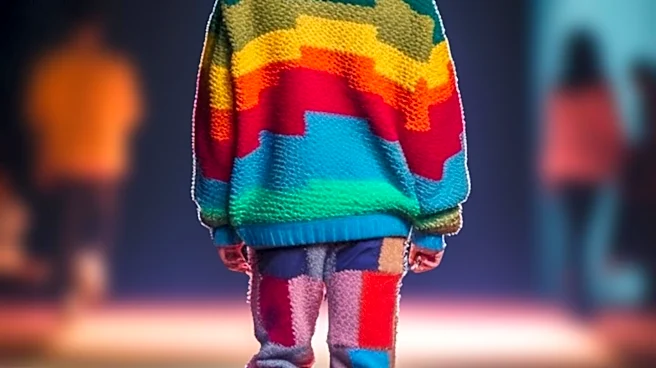
Lagos State Governor Babajide Sanwo-Olu participated in the 2026 Lagos Fashion Week, walking the runway to showcase a collection by Nigerian fashion designer Ugo Monye. The event took place at the Federal
Palace Hotel in Victoria Island, where Governor Sanwo-Olu joined professional models. This marks his second appearance on the Lagos Fashion Week runway since assuming office in 2019. Lagos Fashion Week, founded in 2011 by Omoyemi Akerele, is an annual platform dedicated to promoting Nigerian and African fashion by connecting designers with various industry stakeholders, including buyers, retailers, investors, and media. The 2026 edition, themed 'CRAFTED: Heritage. Innovation. Circular Futures.', ran from October 28 to November 1, bringing together creatives to highlight African talent and explore opportunities within the fashion industry.
Why It's Important?
Governor Sanwo-Olu's participation in Lagos Fashion Week underscores the growing recognition and support for the creative industries in Lagos, Nigeria. His presence on the runway elevates the profile of Nigerian fashion designers like Ugo Monye and the event itself, potentially attracting more local and international attention. This engagement signals a governmental endorsement of fashion as a significant contributor to the state's economy and cultural identity. By actively supporting such events, the Lagos State government aims to position Lagos as a global hub for fashion, creativity, and culture, fostering economic growth through entrepreneurship, talent development, and sustainable production practices within the industry. This can lead to increased investment, job creation, and international market access for Nigerian creatives.
What's Next?
The continued governmental support, as demonstrated by Governor Sanwo-Olu's involvement, suggests a sustained focus on developing Lagos's creative economy. Future editions of Lagos Fashion Week are likely to benefit from this high-level endorsement, potentially leading to expanded initiatives and greater international collaboration. The event's evolution beyond runway presentations to include programs supporting fashion entrepreneurship and talent development indicates a long-term strategy for industry growth. This could result in more structured support systems for emerging designers, increased opportunities for local businesses, and further integration of Nigerian fashion into the global market. The state's commitment to promoting its creative community is expected to continue positioning Lagos prominently on the global fashion stage.
Beyond the Headlines
The governor's participation in a fashion event transcends mere public relations; it reflects a broader cultural and economic shift in how African nations perceive and leverage their creative sectors. By embracing fashion as a legitimate and valuable industry, Lagos is challenging traditional perceptions and fostering a sense of pride in local craftsmanship and design. This move can inspire other African leaders to actively engage with and support their respective creative economies, recognizing their potential for cultural diplomacy and economic diversification. It also highlights the increasing influence of African fashion on the global stage, moving beyond niche markets to mainstream recognition and commercial viability, thereby contributing to a richer, more diverse global cultural landscape.