









What's Happening?
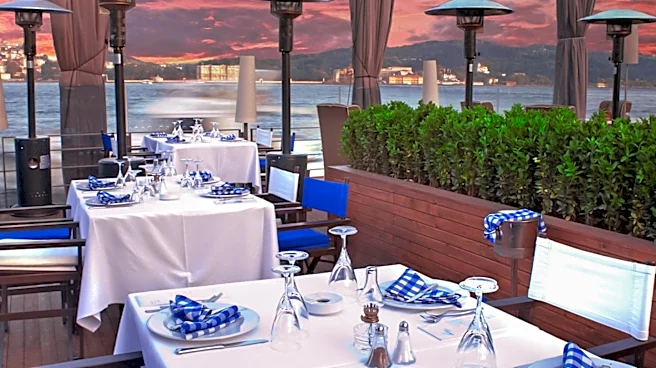
Villa Le Blanc Gran Meliá in Menorca is celebrating its fifth anniversary by unveiling two new dining concepts. The resort has introduced La Terraza del Balear, a seafood restaurant developed in collaboration with Café Balear, a renowned local institution.
This restaurant is unique due to its supply chain, as it operates its own fishing vessel, Rosa Santa Primera, ensuring that the menu is dictated by the daily catch. Signature dishes include the Caldereta de Langosta, a traditional lobster stew. Additionally, the resort has launched Le Blanc Grand Café, an all-day dining space that features a pastry program developed with Chiara Serpaggi, a French-trained pastry chef. This concept blends French pastry techniques with traditional Menorcan flavors, offering a unique culinary experience.
Why It's Important?
The introduction of these new dining concepts at Villa Le Blanc signifies a shift towards integrating local culture and resources into luxury hospitality offerings. By collaborating with local institutions like Café Balear and incorporating Menorcan ingredients, the resort is enhancing its authenticity and appeal to guests seeking a genuine cultural experience. This approach not only supports local businesses and traditions but also differentiates the resort in a competitive luxury market. The emphasis on local sourcing and culinary innovation could set a precedent for other luxury resorts aiming to offer unique and sustainable dining experiences.
What's Next?
As Villa Le Blanc continues to evolve its culinary offerings, it may attract a new demographic of travelers interested in authentic and sustainable luxury experiences. The success of these new concepts could lead to further collaborations with local producers and chefs, potentially expanding the resort's influence in the region. Additionally, the focus on local and French culinary fusion might inspire similar initiatives in other luxury resorts, promoting a trend of culturally integrated hospitality experiences.
Beyond the Headlines
The collaboration between Villa Le Blanc and local culinary institutions highlights the growing trend of luxury resorts embracing sustainability and cultural authenticity. This approach not only enhances the guest experience but also contributes to the preservation of local traditions and economies. By prioritizing local sourcing and culinary innovation, Villa Le Blanc is setting a standard for responsible luxury tourism, which could influence industry practices and consumer expectations in the long term.