



What's Happening?
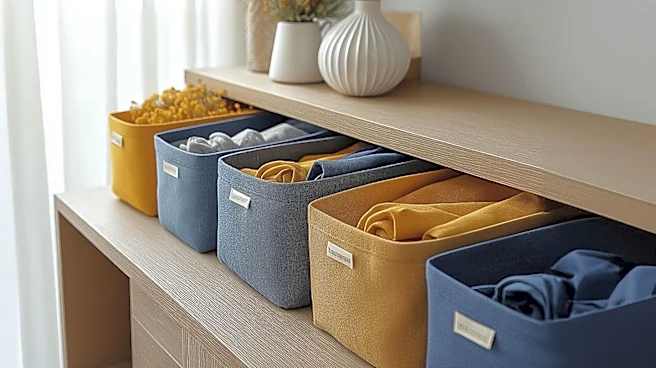
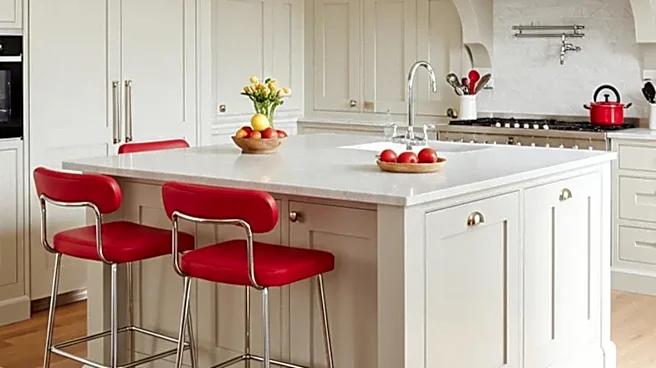
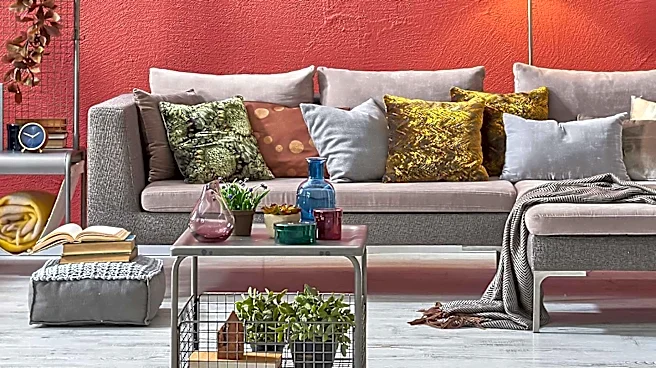
A new interior design trend, dubbed 'color drenching,' is gaining prominence, characterized by painting an entire room—including ceilings, walls, molding, and windowsills—in a single color. This approach is being refined with 'quiet contrast,' where subtle
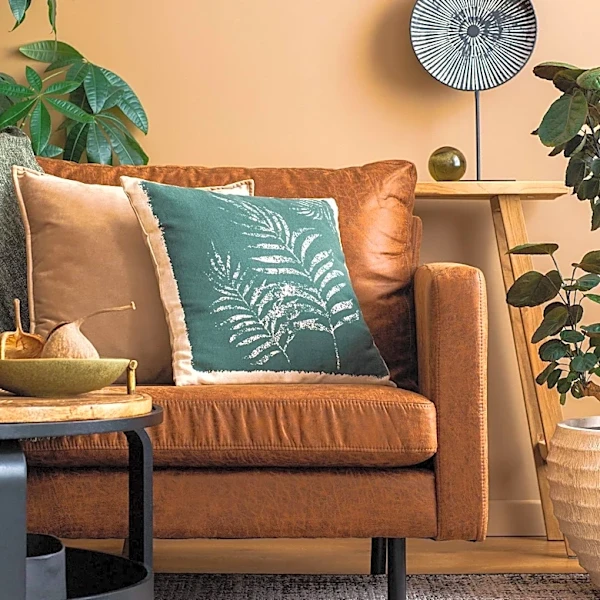
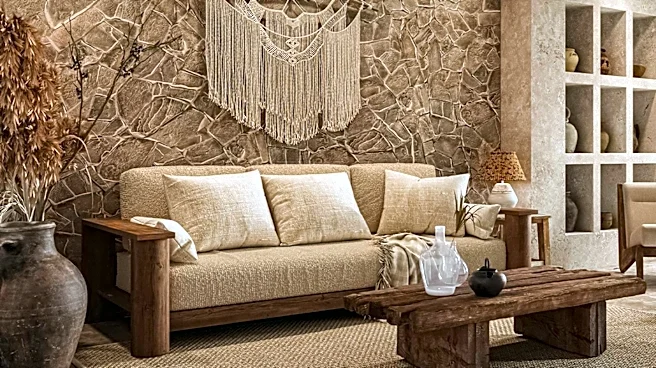
material differences create visual friction in light, making rooms appear layered and thoughtfully curated over time. Designers are exploring this trend by using materials that are tonally or texturally similar but not identical, such as different wood grains, varied sheens, or contrasting textures within the same color family. This method moves away from stark contrasts, instead focusing on micro-contrasts that reveal themselves upon closer inspection, offering a sense of depth and longevity to interior spaces. The trend emphasizes the interplay of light on different surfaces rather than relying on bold color pops.
Why It's Important?
This shift in interior design reflects a broader move towards more nuanced and sophisticated aesthetics in U.S. homes and commercial spaces. For the interior design industry, it signifies an evolution in how color and texture are utilized, potentially influencing product development for paints, textiles, and finishes that support this 'near-match' concept. Consumers may find themselves investing in higher-quality materials that offer subtle variations, moving away from mass-produced, overtly contrasting elements. The trend also suggests a growing appreciation for design that feels 'collected over time' rather than instantly styled, which could impact the market for bespoke furniture and custom finishes. This approach offers a way to create visually rich environments without overwhelming the senses, appealing to those seeking calm and refined spaces.
What's Next?
The 'color drenching' trend, particularly with its 'quiet contrast' evolution, is expected to continue influencing interior design in the coming seasons. Designers will likely further experiment with combining materials that are almost, but not quite, matching, pushing the boundaries of textural and tonal harmony. This could lead to an increased demand for specialized materials and finishes that offer subtle variations in sheen, grain, or texture within a single color palette. Manufacturers of paints, wallpapers, fabrics, and flooring may introduce new lines specifically designed to facilitate this trend. Educational resources and workshops for designers and homeowners on achieving effective 'quiet contrast' are also likely to emerge, helping to disseminate the techniques and principles behind this sophisticated aesthetic.
Beyond the Headlines
Beyond its aesthetic appeal, the 'color drenching' trend with 'quiet contrast' touches upon deeper psychological and cultural implications. In an increasingly fast-paced and visually saturated world, this trend offers a retreat into calm and cohesive environments, potentially reducing visual clutter and promoting a sense of tranquility. The emphasis on subtle differences and the way light interacts with surfaces encourages a more mindful engagement with one's surroundings, fostering appreciation for detail and craftsmanship. It also challenges the notion of instant gratification in design, advocating for spaces that evolve and reveal their complexities over time, mirroring a desire for authenticity and depth in personal environments. This approach could also be seen as a reaction against the uniformity often seen in AI-generated design, promoting individuality and a more personal touch.