



What's Happening?
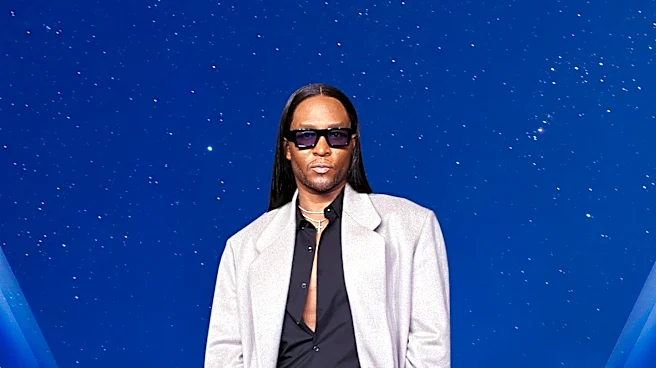
The fashion industry is increasingly recognizing the critical importance of strategic model casting for lookbooks, viewing it as a pivotal element in visual storytelling and brand representation. According to Photogenics Media, a lookbook serves as a primary
tool to showcase a brand’s designs, aesthetics, and overall vibe, making the selection of models essential for conveying the intended message and attracting the target audience. The casting process involves several key steps, beginning with defining the lookbook's concept, including its theme, desired emotions, and target audience. This conceptualization helps in creating a clear model profile, which details physical characteristics, experience level, and a commitment to diversity and inclusivity. Models are sourced through various channels such as modeling agencies, social media platforms, and open casting calls. The audition process focuses on evaluating models' posing abilities, movement, and personality to ensure they align with the collection's essence and contribute positively to the overall production. Final selections prioritize alignment with the concept, diversity, and team feedback, followed by confirming availability and negotiating contracts that specify usage rights and compensation.
Why It's Important?
The meticulous approach to model casting for lookbooks is vital for U.S. fashion brands as it directly impacts their market perception and consumer engagement. In a highly competitive industry, a well-executed lookbook with thoughtfully cast models can significantly enhance a brand's visual identity and resonate more effectively with its audience. This strategic casting ensures that the brand's message is not only delivered but also amplified, potentially leading to increased sales and brand loyalty. By prioritizing diversity and inclusivity in model selection, brands can appeal to a broader demographic, reflecting societal values and expanding their market reach. Conversely, poor casting choices can misrepresent a brand's aesthetic, alienate potential customers, and undermine marketing efforts. The emphasis on defining clear concepts and model profiles also streamlines the production process, saving time and resources while ensuring a cohesive and impactful visual presentation that stands out in the crowded fashion landscape.
What's Next?
The fashion industry is expected to continue refining its model casting processes, with an increasing focus on leveraging technology and fostering long-term relationships with talent. Brands will likely explore more sophisticated methods for identifying and evaluating models, potentially incorporating AI-driven tools for initial screenings or concept matching. The trend towards greater diversity and inclusivity is anticipated to strengthen, pushing brands to actively seek talent from various backgrounds, body types, and ethnicities to ensure more authentic representation. Furthermore, building enduring relationships with selected models for future collaborations will become a standard practice, fostering a network of reliable talent. As digital platforms evolve, lookbooks will likely become even more interactive and integrated into e-commerce experiences, requiring models who can effectively convey brand narratives across multiple digital touchpoints. This evolution will necessitate continuous adaptation in casting strategies to keep pace with technological advancements and changing consumer expectations.
Beyond the Headlines
Beyond the immediate commercial benefits, the emphasis on strategic model casting for lookbooks carries deeper implications for the fashion industry's ethical and cultural landscape. By consciously prioritizing diversity and inclusivity, brands contribute to a more equitable representation of beauty and identity, challenging traditional, often narrow, industry standards. This shift can foster a more inclusive societal dialogue around body image and cultural identity, influencing consumer perceptions and promoting self-acceptance. The detailed contractual agreements regarding usage rights and compensation also highlight a growing awareness of fair practices within the industry, ensuring that models are appropriately recognized and remunerated for their contributions. Ultimately, the evolution of lookbook casting reflects a broader cultural movement towards authenticity and responsibility, positioning fashion not just as a commercial endeavor but as a powerful medium for social commentary and change.