









What's Happening?
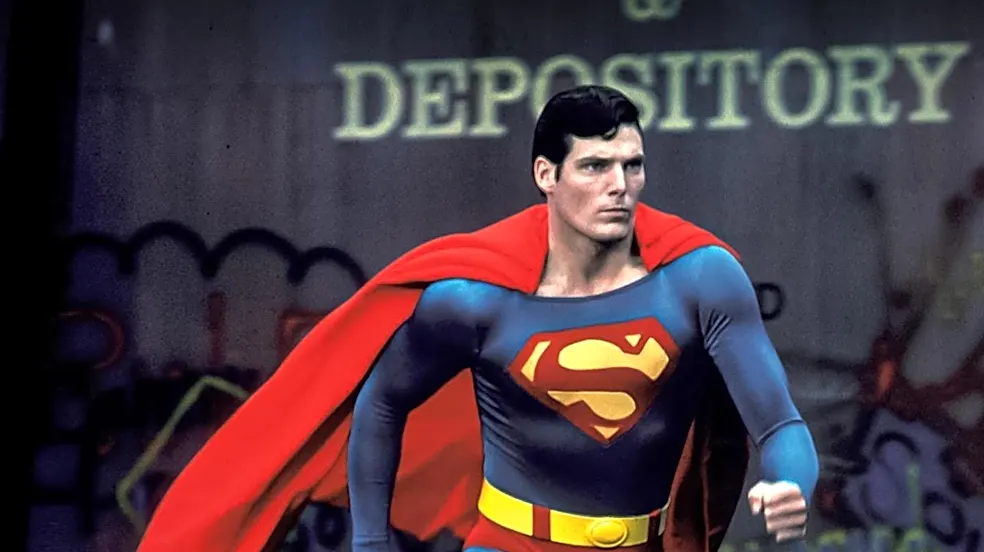
The 1978 film 'Superman' utilized a variety of real-world locations to bring its iconic story to life, spanning multiple U.S. states and Canada. Key New York City landmarks featured prominently, including the News Building (formerly the New York Daily
News Building) as the 'Daily Planet' office, the US Post Office Building at 450 Lexington Avenue for Lois Lane's helicopter rescue, and 240 Central Park South as Lois's apartment. Lex Luthor's lair was depicted as being beneath Grand Central Station, though the interior set was built at Pinewood Studios in the UK. The rural scenes of 'Smallville' and Lex Luthor's missile commandeering were filmed around Calgary, Alberta, Canada. Additionally, Superman's feats included saving a school bus on San Francisco's Golden Gate Bridge and rescuing Jimmie Olsen from the collapsing Boulder Dam in Nevada. The 'San Andreas Fault' sequence was shot at Red Rock State Park near Gallup, New Mexico, an area now known as Superman Canyon.
Why It's Important?
The extensive use of diverse and recognizable real-world locations in the 1978 'Superman' film was crucial in grounding the fantastical narrative in a sense of reality, making the superhero's exploits more believable and impactful for audiences. By integrating iconic American landmarks like the Golden Gate Bridge, Grand Central Station, and the News Building, the filmmakers created a tangible connection between the fictional world of Superman and the everyday lives of viewers. This approach helped establish a visual language for superhero films that emphasized scale and authenticity, influencing subsequent productions in the genre. The choice of varied landscapes, from urban centers to rural plains and desert environments, also showcased the vastness of Superman's world and the scope of his responsibilities, contributing significantly to the film's epic feel and lasting legacy.
What's Next?
The legacy of the 1978 'Superman' film's location choices continues to influence modern filmmaking, particularly in the superhero genre. Contemporary productions often strive to blend practical locations with visual effects to achieve a similar sense of realism and grandeur. The specific sites used in the film, such as the News Building and Red Rock State Park, have become points of interest for film enthusiasts and tourists, contributing to their cultural significance. Future superhero films will likely continue to explore diverse locations, both real and imagined, to create immersive and believable worlds for their characters. The film's approach to location scouting remains a benchmark for how to effectively integrate real-world settings into large-scale cinematic narratives.
Beyond the Headlines
The strategic selection of filming locations for 'Superman' (1978) goes beyond mere aesthetics; it reflects a deliberate effort to imbue the superhero narrative with a sense of national identity and cultural resonance. By featuring prominent U.S. landmarks, the film subtly positioned Superman as an American icon, a protector of familiar places and values. The contrast between the bustling urban environments and the serene, almost idyllic 'Smallville' in Alberta, Canada, also underscored the dual nature of Clark Kent's existence. This blend of the ordinary and the extraordinary, rooted in tangible geographic settings, helped solidify Superman's place in the collective consciousness as a hero who operates within and protects the world we know. The film's location choices thus contributed to its enduring power as a cultural touchstone, shaping perceptions of heroism and national identity in popular media.