








What's Happening?
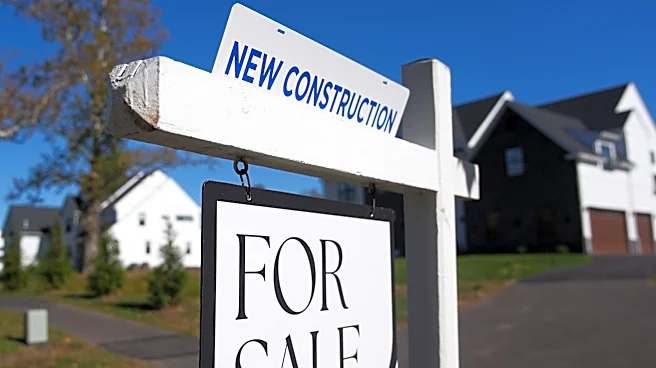
The average long-term U.S. mortgage rate has increased to its highest level in nearly a year, reaching 6.55% for a 30-year fixed-rate mortgage, according to Freddie Mac. This rise in mortgage rates is influenced by several factors, including the Federal
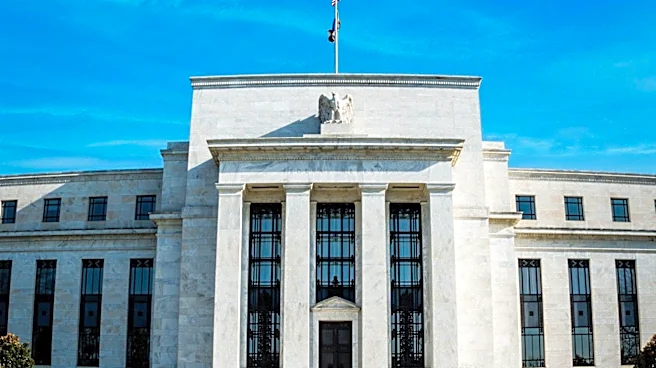
Reserve's interest rate policy decisions and bond market investors' expectations for the economy and inflation. The 10-year Treasury yield, which serves as a guide for pricing home loans, has also seen an increase, contributing to the upward trend in mortgage rates. The ongoing conflict with Iran has driven crude oil prices higher, stoking expectations of increased inflation and pushing up long-term bond yields. This has resulted in higher borrowing costs for prospective homebuyers, limiting their purchasing power at a time when affordability challenges are already significant.
Why It's Important?
The rise in mortgage rates has significant implications for the U.S. housing market and the broader economy. Higher borrowing costs can add hundreds of dollars a month for homebuyers, making it more difficult for many to afford homes. This situation is exacerbated by existing affordability challenges, sidelining many aspiring homeowners. The increase in mortgage rates also affects home sales, as indicated by a decline in pending U.S. home sales and a drop in mortgage applications. The Federal Reserve's interest rate decisions are closely watched by bond investors, as they can influence the yield on 10-year Treasurys, which in turn affects mortgage rates. The current economic environment, marked by inflation concerns and geopolitical tensions, continues to impact the housing market and the financial decisions of potential homebuyers.
What's Next?
As the Federal Reserve considers its next steps regarding interest rates, the housing market and potential homebuyers will be closely monitoring any changes. A recent report showing a cooling in consumer prices for goods like gas and clothes could alleviate some pressure on the Federal Reserve to raise interest rates. However, until mortgage rates decrease, buyers will continue to face high borrowing costs. The trajectory of mortgage rates will depend on various factors, including the Federal Reserve's policy decisions, inflation trends, and geopolitical developments. Stakeholders in the housing market, including realtors and financial institutions, will need to adapt to these changing conditions and provide guidance to prospective homebuyers navigating this challenging environment.