



What's Happening?
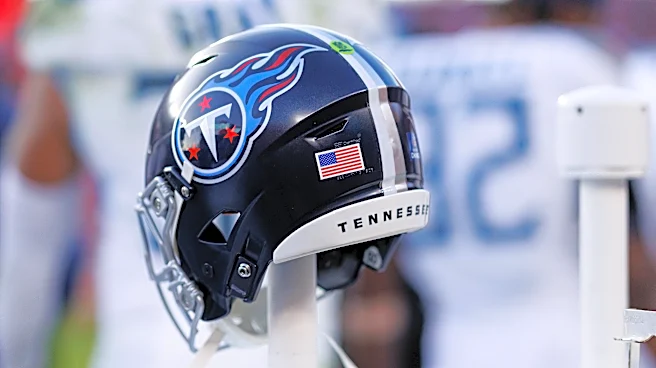
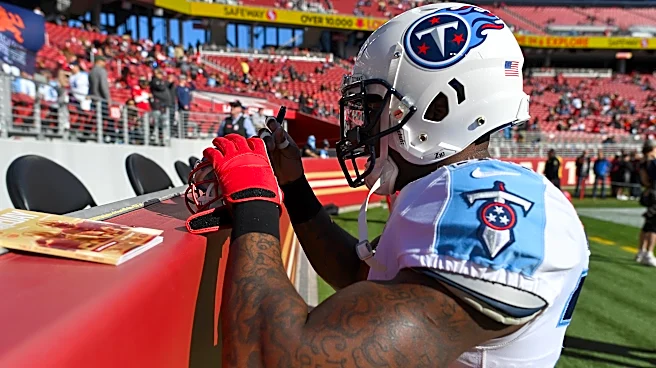
The Tennessee Titans are approaching the NFL trade deadline on November 10 with a significant decision regarding defensive end Jermaine Johnson. Johnson, a former New York Jet and a player tied to Coach Robert Saleh's system, is in the final year of his
rookie deal. Acquired in an offseason trade, his future with the 1-7 Titans is uncertain. While wide receiver Calvin Ridley is considered the most prominent name on the trade block, the possibility of trading Johnson presents a complex situation for the team. The Titans previously made an unexpected move by trading Jeffery Simmons, indicating their willingness to make significant roster changes. Johnson's age, 27, and his current performance, ranking second on the team with three sacks, make him a potentially valuable asset, but also a player the team might consider moving for the right price, especially if the team is heading towards a 'draft-first reset.'
Why It's Important?
The decision on Jermaine Johnson holds significant implications for the Tennessee Titans' immediate future and long-term strategy. Trading Johnson could provide valuable draft capital or other assets for a team that is currently 1-7 and seemingly heading towards a rebuild. However, moving a productive defensive end like Johnson, who is still relatively young, could further weaken a struggling defense and potentially impact team morale. His connection to Coach Saleh also adds a layer of complexity; if Saleh's future with the team is uncertain, a player brought in specifically for his system might become less compelling. The Titans' previous trade of Jeffery Simmons demonstrates a willingness to make bold moves, setting a precedent that no player is untouchable. This decision will signal the team's commitment to either competing in the short term or fully embracing a rebuilding phase, directly affecting the composition and competitiveness of their roster.
What's Next?
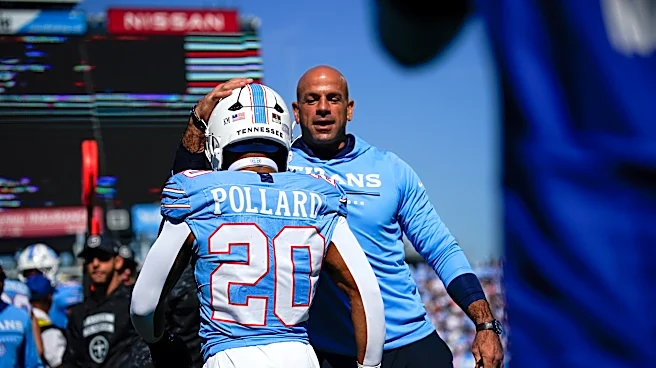
With the NFL trade deadline on November 10, the Tennessee Titans must finalize their decision regarding Jermaine Johnson. The team will weigh the potential returns from a trade against Johnson's value to the current roster and his long-term potential. If the Titans opt to trade Johnson, they will likely seek draft picks or young talent to aid in their rebuilding efforts. Conversely, if they choose to retain him, it could indicate a belief in his continued contribution or a desire to maintain some stability on the defensive line. The outcome of this decision will also influence the team's approach to other players on the roster, such as running back Tony Pollard, who is also in the final year of his deal. The trade deadline will serve as a critical juncture for the Titans to define their strategic direction for the remainder of the season and beyond.
Beyond the Headlines
The Titans' handling of Jermaine Johnson at the trade deadline reflects a broader trend in the NFL where struggling teams face difficult choices between retaining talent for future competitiveness and acquiring assets for a rebuild. This situation highlights the tension between coaching staff's immediate needs and the general manager's long-term vision. The 'draft-first reset' mentioned in the context of the Titans suggests a strategic shift towards prioritizing youth and future draft capital over veteran players, even those who are still productive. This approach, while potentially beneficial for long-term success, can be challenging for fan engagement and player morale in the short term. The decision also underscores the transient nature of player-coach relationships in professional sports, where a player brought in for a specific system may become less valuable if the coaching staff changes, adding another layer of complexity to roster management.