







What's Happening?
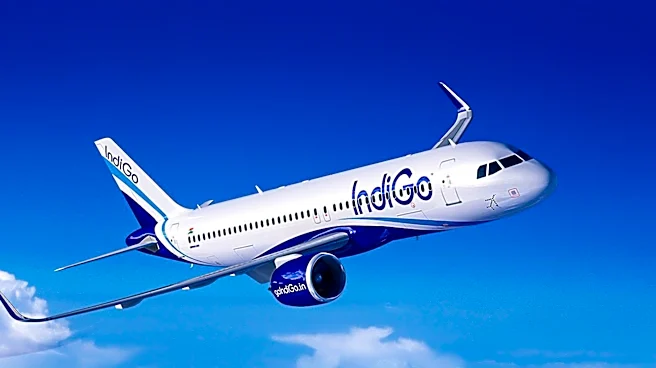
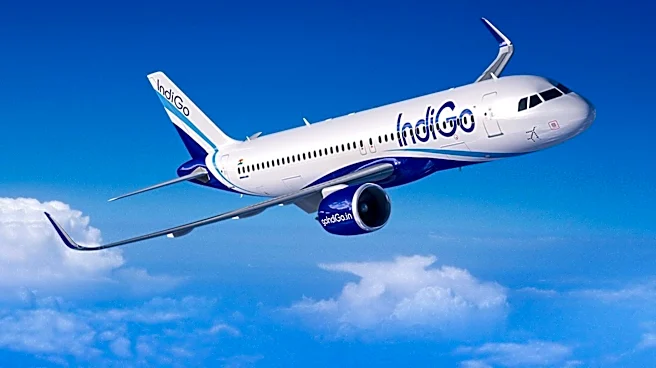
IndiGo, a prominent Indian low-cost carrier, is set to introduce lie-flat Business Class seats on its upcoming Airbus A350 aircraft. This move signifies a strategic shift for the airline as it expands into long-haul international travel. The initial 10
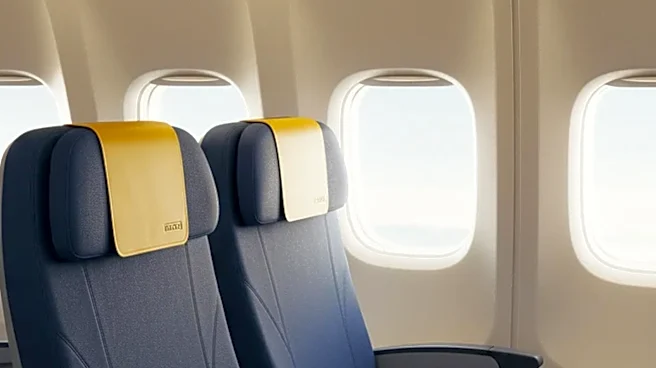
Airbus A350-900s will feature a three-class cabin configuration, including 16 lie-flat Business Class seats, 28 Premium Economy seats, and 289 Economy seats. Deliveries of these aircraft are anticipated to commence in the second quarter of 2028. This decision marks a departure from IndiGo's traditional no-frills operational model, aiming to attract premium passengers while simultaneously upholding its low-cost operational efficiency. IndiGo CEO Willie Walsh emphasized that this enhancement reflects evolving passenger expectations for long-haul international travel, where lie-flat beds are increasingly considered a standard offering in Business Class. The airline is also considering increasing the number of lie-flat seats in subsequent A350 deliveries and plans to extend this premium product to future A321XLR deliveries, broadening its international network's premium offerings.
Why It's Important?
This strategic enhancement by IndiGo is significant as it positions the airline to compete more effectively in the lucrative long-haul international travel market. By introducing lie-flat Business Class, IndiGo aims to attract a segment of travelers who typically opt for established full-service carriers, thereby expanding its market share beyond its dominant domestic presence. This move could disrupt the competitive landscape for international routes, as IndiGo seeks to offer a premium experience while maintaining its cost-efficient operational model. For U.S. travelers, this could eventually translate into more diverse and potentially more affordable premium travel options for flights connecting to India and beyond, as IndiGo's expansion could lead to increased competition and innovation in airline services. The airline's ability to balance premium offerings with its low-cost structure will be a key factor in its success and could influence other budget carriers to consider similar upgrades.
What's Next?
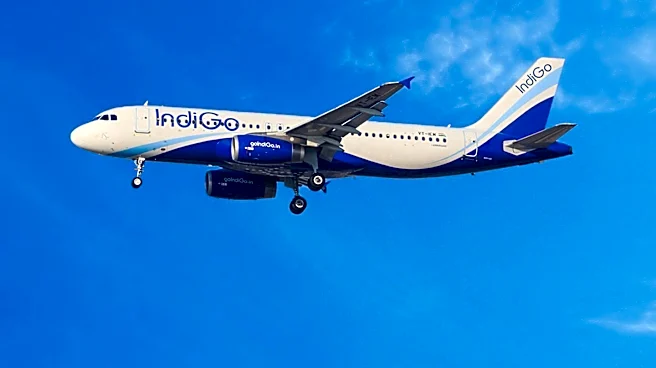
The first deliveries of IndiGo's Airbus A350-900 aircraft, equipped with the new lie-flat Business Class, are expected to begin in the second quarter of 2028. In the interim, IndiGo has already started operating its A321XLR fleet on routes such as Mumbai to Amsterdam and plans to continue using these aircraft until the A350s become operational. The airline has ordered a total of 60 Airbus A350-900 aircraft, indicating a substantial long-term commitment to its international expansion strategy. As these new aircraft are integrated into its fleet, IndiGo will likely announce new long-haul international routes, further extending its global reach. The success of this premium offering on the A350s will also inform IndiGo's decision to increase the number of lie-flat seats on future deliveries and to implement similar upgrades on its A321XLR fleet, signaling a sustained shift towards a more diversified service model.
Beyond the Headlines
IndiGo's decision to introduce lie-flat Business Class seats represents a broader trend in the aviation industry where the lines between traditional low-cost carriers and full-service airlines are blurring. This move highlights a strategic adaptation to evolving consumer demands, particularly in the long-haul segment where comfort and premium amenities are increasingly expected. Ethically, this expansion could raise questions about the sustainability of maintaining a low-cost model while offering premium services, potentially impacting pricing strategies across the industry. Legally, as IndiGo expands its international footprint, it will navigate a complex web of bilateral air service agreements and regulatory frameworks in various countries, including the U.S., which could influence its route expansion and operational flexibility. Culturally, the airline's ability to blend its Indian heritage with a globally competitive premium product will be crucial for its brand perception and market acceptance in diverse international markets.