






What's Happening?
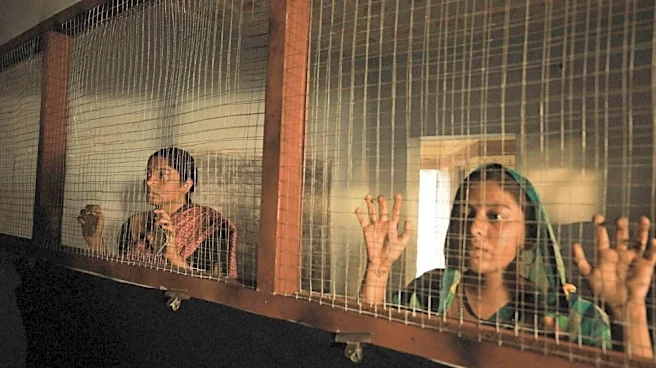
The film 'Satluj', directed by Honey Trehan, has become a focal point of controversy after its release was abruptly halted. Originally titled 'Punjab '95', the film is a biographical drama about human rights activist Jaswant Singh Khalra, who investigated
alleged illegal disappearances during Punjab's insurgency in the late 1980s and early 1990s. The film was completed and initially faced delays due to demands for extensive cuts by the Central Board of Film Certification. It was eventually released on the streaming platform ZEE5 in July 2026 but was withdrawn within 48 hours, reportedly due to government intervention. This incident has sparked a wider debate about censorship, artistic freedom, and the control of public memory.
Why It's Important?
The withdrawal of 'Satluj' highlights ongoing tensions between artistic expression and governmental control. The film's censorship raises questions about the limits of free speech and the role of government in regulating content. This incident is significant as it underscores the challenges faced by filmmakers in addressing sensitive historical and political topics. The film's focus on human rights and historical memory resonates with broader societal issues, emphasizing the importance of preserving diverse narratives in democratic societies. The controversy also reflects the precarious balance between national security concerns and the right to artistic freedom, impacting filmmakers, audiences, and cultural discourse.
What's Next?
The controversy surrounding 'Satluj' is likely to continue as discussions about censorship and artistic freedom gain momentum. Filmmakers and cultural commentators may advocate for clearer guidelines and greater transparency in the film certification process. The incident could prompt legal challenges or public campaigns advocating for the film's release. Additionally, the debate may influence future projects, encouraging filmmakers to explore alternative distribution methods to bypass traditional regulatory hurdles. Stakeholders, including film industry professionals and civil society groups, may push for reforms to protect artistic expression and ensure diverse voices are represented in media.
Beyond the Headlines
Beyond the immediate controversy, 'Satluj' raises deeper questions about how societies remember and interpret their past. The film's focus on memory and justice highlights the role of cinema in shaping public understanding of historical events. It also underscores the ethical responsibility of filmmakers to present complex narratives that challenge official accounts. The incident may inspire further exploration of the relationship between art, politics, and power, encouraging audiences to critically engage with media representations of history. As public memory becomes increasingly contested, 'Satluj' serves as a reminder of the enduring impact of storytelling in preserving cultural heritage.