




What's Happening?
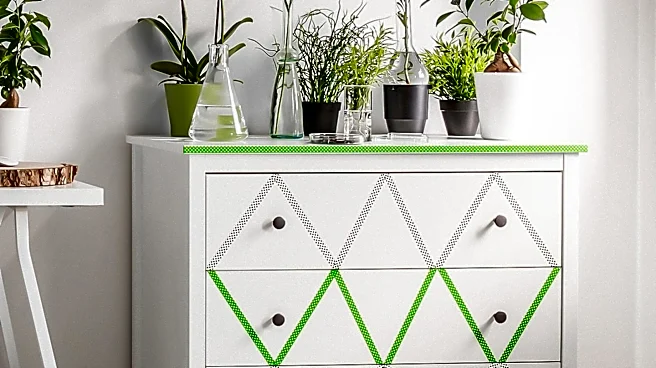
Home decor enthusiasts are increasingly engaging in DIY furniture makeovers, with the IKEA MALM series emerging as a popular choice for transformation. The MALM series, known for its simple lines and minimalist appeal, is being reimagined through various
customization techniques. These projects range from simple paint jobs to more intricate applications of decorative overlay panels and real wood veneer finishes. The trend is driven by a desire to personalize living spaces and achieve a high-end aesthetic on a budget. Inspiration for these makeovers often comes from modern design trends like Japandi, which blends Japanese simplicity with Scandinavian functionality, and other minimalist styles. Resources such as Pinterest, Instagram, and specialized blogs are providing ideas and guidance for these DIY projects.
Why It's Important?
This DIY furniture makeover trend, particularly involving accessible and affordable pieces like the IKEA MALM series, signifies a broader shift in consumer behavior towards personalization and sustainable practices in home decor. It empowers individuals to express their unique style without incurring the high costs associated with custom-made or luxury furniture. The emphasis on repurposing existing items rather than constantly buying new ones also aligns with growing environmental consciousness. For the retail industry, this trend highlights the demand for customizable products and accessories that facilitate DIY projects, potentially influencing product development and marketing strategies for furniture and home improvement companies. It also fosters a community of creators and provides a platform for small businesses specializing in decorative panels and other customization materials.
What's Next?
The continued growth of this DIY trend is likely to lead to an expansion in the market for furniture customization products, including a wider variety of overlay panels, veneers, and specialized paints. Retailers and manufacturers may increasingly offer modular furniture designs that are easier to hack and personalize. Online platforms and social media will continue to be crucial for sharing inspiration, tutorials, and connecting DIY enthusiasts. We might also see more collaborations between furniture brands and designers specializing in customization. Additionally, the trend could influence interior design education, with a greater focus on upcycling and creative repurposing of furniture.
Beyond the Headlines
Beyond the immediate aesthetic and economic benefits, this DIY movement taps into a deeper human desire for creativity and self-expression within one's personal environment. It challenges the notion of disposable consumerism by encouraging a more thoughtful and hands-on approach to home furnishing. The act of transforming a mass-produced item into a unique piece can foster a sense of accomplishment and connection to one's living space. This trend also reflects a cultural appreciation for craftsmanship and individuality, moving away from purely uniform, off-the-shelf aesthetics. It underscores the idea that luxury can be achieved through ingenuity and personal effort, rather than solely through high price tags.