






What's Happening?
United Airlines is implementing new features to improve the passenger experience, particularly during travel disruptions and for those needing quick access to food and essentials. The airline has introduced a new function in its app that allows delayed
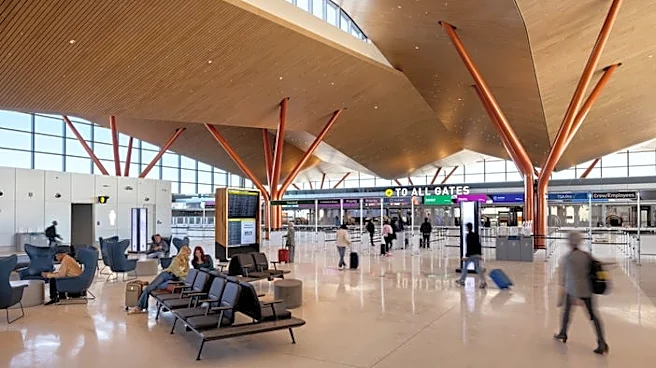
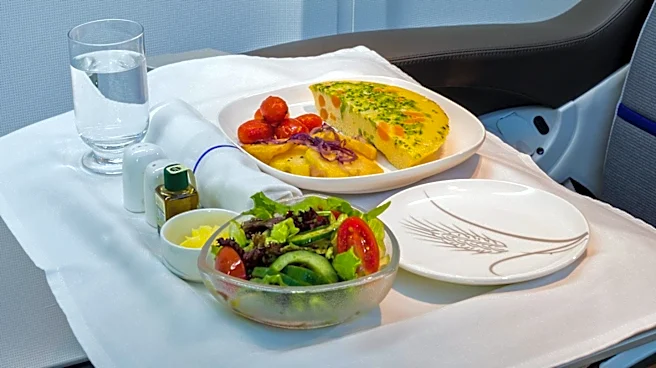
customers, rebooked on a later flight, to retain their confirmed seat while simultaneously selecting up to three earlier United flights to the same destination for standby. United will actively monitor seat availability on these selected flights and notify passengers via text if a seat becomes available, offering them the choice to take the earlier flight or stick with their confirmed later flight. Additionally, United is testing a gate food delivery service at nine gates (C125 - C138) in Terminal C at Newark Liberty International Airport (EWR). This service enables customers to order a variety of items, including sandwiches, salads, drinks, kids' meals, chips, candy, and travel essentials like over-the-counter medicine and charging cords, which will be available for pickup at a designated shelf at the gate. Eligible customers receive a push notification or email with a link to place an order, with participating restaurants including Nonna's Kitchen and Victory Grill.
Why It's Important?
These initiatives by United Airlines are significant for enhancing customer satisfaction and operational efficiency within the U.S. airline industry. The improved standby process directly addresses a common pain point for travelers: the uncertainty and inconvenience of flight delays. By allowing passengers to hold onto a confirmed seat while actively seeking earlier options, United reduces stress and provides greater flexibility, potentially leading to a more positive travel experience. This could set a new standard for how airlines manage disruptions, influencing competitors to adopt similar customer-centric solutions. The gate food delivery service, if expanded, represents a substantial convenience for passengers, especially those with tight connections or limited time. It caters to the growing demand for on-demand services and could generate additional revenue streams for the airline and airport vendors. For the broader U.S. travel sector, these innovations highlight a trend towards leveraging technology to personalize and streamline the passenger journey, potentially improving overall perceptions of air travel.
What's Next?
United Airlines plans to extend the gate food delivery test to Houston later this year. Following this, the airline will evaluate the interest and success of the program to determine potential future expansion to other airports. If the service proves successful, United intends to integrate it into seatback in-flight entertainment screens, allowing passengers to order food and drinks from the air to be ready for pickup upon arrival at their gate. The enhanced standby feature is already in effect, and its impact on passenger satisfaction and operational metrics will likely be continuously monitored. These improvements, alongside other ongoing innovations like new Polaris business class suites and lounge expansions, position United Airlines to potentially improve its ranking in future airline performance reports, with a stated goal of potentially surpassing Delta Air Lines. The success of these initiatives could prompt other major U.S. carriers to explore similar technological and service enhancements to remain competitive.
Beyond the Headlines
The introduction of these services by United Airlines reflects a broader shift in the airline industry towards a more integrated and personalized travel experience, driven by technological advancements and evolving consumer expectations. The ability to manage standby options through an app and order food for gate delivery speaks to the increasing demand for convenience and control in travel. This trend could lead to a future where the entire journey, from booking to arrival, is seamlessly managed through digital platforms, reducing friction and improving efficiency. Ethically, these services raise questions about data privacy and the use of passenger information to offer personalized services. Legally, the expansion of food delivery services within airports might necessitate new regulatory considerations regarding food safety and vendor partnerships. Culturally, these innovations could further embed the expectation of on-demand services into the travel experience, potentially altering passenger behavior and expectations for all forms of public transportation. The long-term impact could be a more connected and responsive travel ecosystem, where airlines act not just as transporters but as comprehensive service providers.