









What's Happening?
SpaceX aborted the launch of its Starship vehicle on July 16, just as the first-stage engines began firing. This marked the 13th test flight attempt for the Starship, which remains in the development phase. The launch was rescheduled for July 23 after
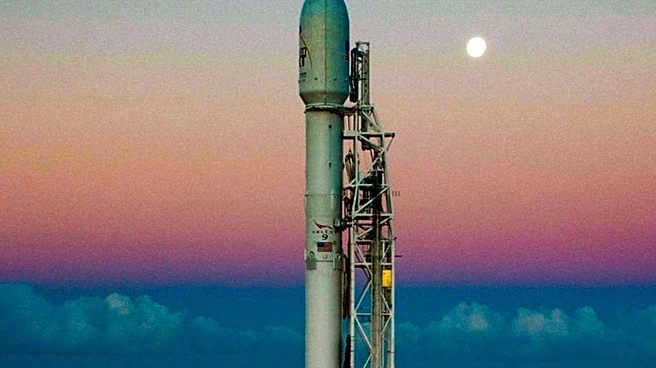
SpaceX replaced two Raptor engines. Additionally, a Falcon 9 rocket launch, intended to deploy 24 Starlink satellites, was also aborted on July 20 at Vandenberg Space Force Base. Despite the abort, SpaceX has maintained a strong launch record, with 84 successful Falcon 9 launches this year. The Starlink launch was rescheduled for July 21.
Why It's Important?
The aborted launches highlight the technical challenges SpaceX faces as it continues to develop and test its Starship vehicle, which is central to the company's future plans for space exploration and commercial space travel. The Starship is intended to carry humans to Mars and beyond, making its successful development crucial for SpaceX's long-term goals. The repeated aborts also underscore the complexity of space launches and the importance of rigorous testing to ensure safety and reliability. The successful deployment of Starlink satellites is vital for SpaceX's internet service ambitions, which aim to provide global broadband coverage.
What's Next?
SpaceX will proceed with the rescheduled launches, with the Starship launch set for July 23 and the Falcon 9 Starlink launch for July 21. The company will continue to analyze the causes of the aborts to prevent future occurrences. Successful launches will be critical for maintaining SpaceX's momentum in the competitive space industry. The outcomes of these launches could influence investor confidence and the company's ability to secure future contracts. SpaceX's progress with Starship will be closely watched by industry stakeholders and space enthusiasts.