







What's Happening?
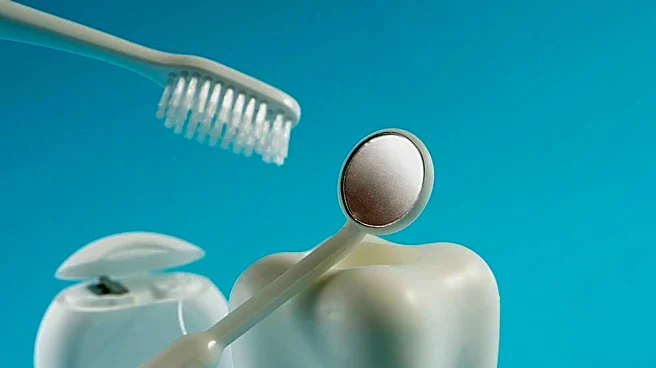
Dentists recommend replacing toothbrushes every three to four months to maintain optimal oral health. This guideline applies to both manual and electric toothbrushes. The American Dental Association (ADA) supports this timeline, emphasizing that worn
bristles lose their effectiveness in removing plaque. Dr. Craig Noblett, President of the American Association of Endodontists, highlights that the condition of the bristles is a key indicator of when to replace a toothbrush. Additionally, electric toothbrushes offer advantages such as built-in timers and pressure sensors, which can enhance brushing effectiveness.
Why It's Important?
Regularly replacing toothbrushes is crucial for preventing dental issues such as plaque buildup, gingivitis, and tartar formation. Worn toothbrushes are less effective at cleaning the gumline, where plaque tends to accumulate. This can lead to more serious dental problems if not addressed. The advice from dental professionals underscores the importance of maintaining good oral hygiene practices to prevent long-term health issues. Consumers who follow these guidelines can potentially reduce the risk of costly dental treatments and improve their overall oral health.
What's Next?
Consumers are encouraged to monitor the condition of their toothbrush bristles and replace them as needed. Dental professionals may continue to educate patients on the importance of proper oral hygiene practices, including the benefits of using electric toothbrushes. As awareness grows, there may be increased demand for dental products that offer enhanced features for effective cleaning. The dental industry could see innovations aimed at improving oral health outcomes, driven by consumer interest in maintaining healthy teeth and gums.