


What's Happening?
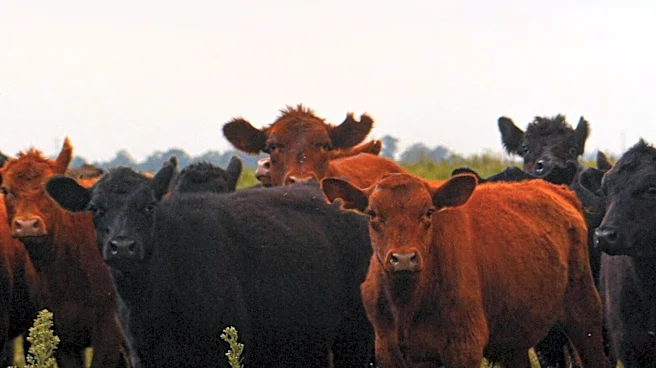
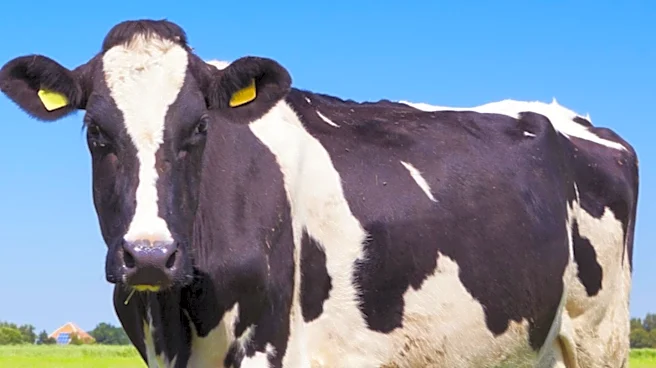
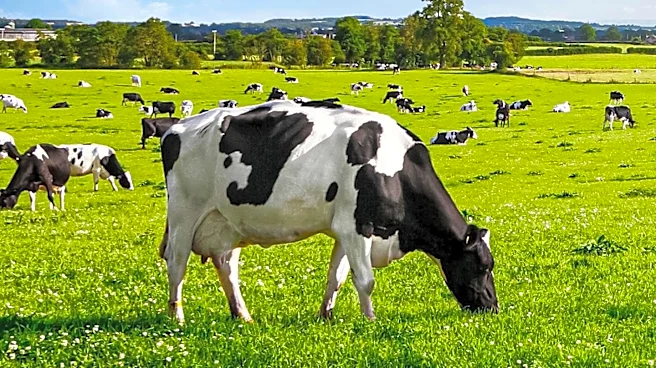
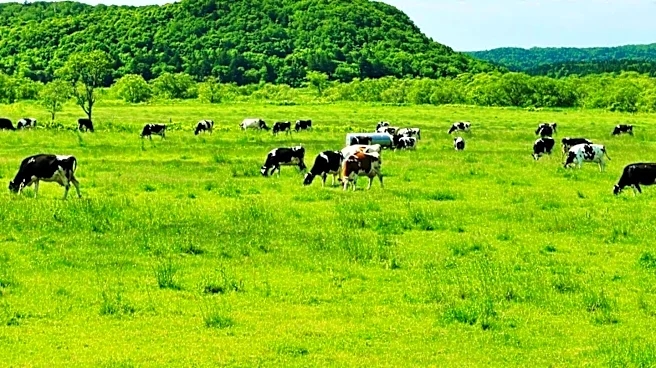
The U.S. cattle industry is facing uncertainty as new analysis questions the likelihood of a full herd expansion despite a reported increase in cattle numbers. The gain of approximately 200,000 head is largely attributed to a revision of last year's inventory
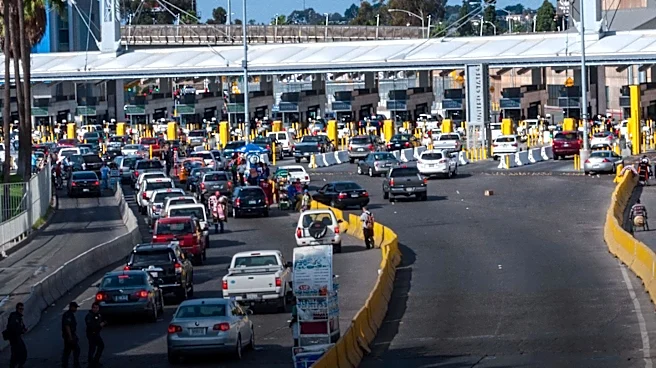
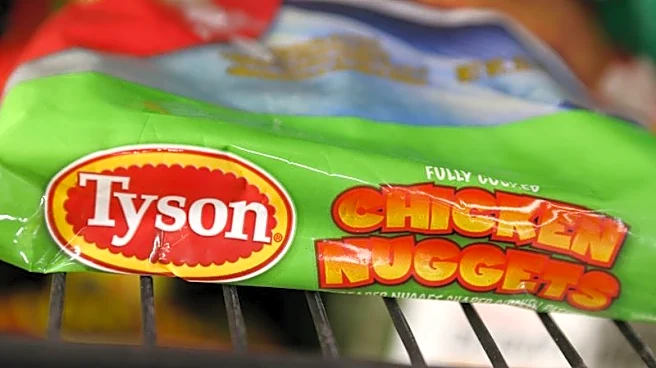
estimates. Meanwhile, a federal judge has certified a class-action lawsuit against major meatpackers, including Cargill, JBS, National Beef, and Tyson Foods. The lawsuit alleges these companies coordinated purchases and reduced slaughter rates, affecting cattle prices. Additionally, the USDA is moving forward with reopening Mexican cattle trade, balancing supply needs with biosecurity risks.
Why It's Important?
The uncertainty surrounding herd expansion and the legal challenges against meatpackers have significant implications for the cattle industry. The potential lack of herd growth could impact beef supply and prices, affecting consumers and the agricultural economy. The class-action lawsuit highlights concerns about market practices and could lead to changes in industry regulations. The reopening of Mexican cattle trade may help alleviate supply constraints but poses biosecurity risks. These developments underscore the complex dynamics within the cattle market, with potential impacts on producers, consumers, and policymakers.
What's Next?
The cattle industry will closely monitor the progress of the class-action lawsuit and its potential impact on market practices. The USDA's phased reopening of Mexican cattle imports will be watched for its effects on supply and biosecurity. Stakeholders will also look for further signs of herd expansion in future USDA reports. The industry may need to adapt to these challenges, exploring strategies to support herd growth and ensure fair market practices. Policymakers and industry leaders will play a crucial role in navigating these issues to maintain a stable and competitive cattle market.