







What's Happening?
Gen Z individuals are being advised to implement several key financial strategies to enhance their money management skills. These recommendations include diligently tracking all expenditures for at least 30 days to gain a clear understanding of where
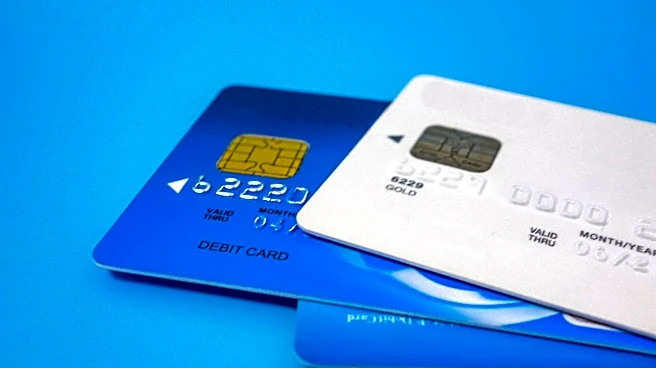
money is being spent. Furthermore, it is suggested that Gen Z educate themselves on fundamental financial concepts such as compounding, inflation, SIPs (Systematic Investment Plans), Mutual Funds, Stocks, ETFs (Exchange Traded Funds), Credit Scores, Assets, Liabilities, and Net Worth. Staying informed about financial news by dedicating a short period daily to reading reputable financial publications is also emphasized. Before engaging in any investment activities, learning the basics of investing from reliable, free resources is recommended. Finally, a thorough understanding of how credit cards, EMIs (Equated Monthly Installments), interest rates, and credit scores function is deemed crucial, with a specific caution that a credit limit should not be mistaken for actual income. These steps aim to equip Gen Z with the knowledge and habits necessary for effective financial stewardship.
Why It's Important?
The adoption of these financial habits is crucial for Gen Z as it lays the groundwork for long-term financial stability and independence. By tracking spending, individuals can identify and curb unnecessary expenses, leading to better budgeting and savings. Understanding core financial concepts empowers them to make informed decisions about their money, whether it's saving for a down payment, planning for retirement, or managing debt. Following financial news helps Gen Z comprehend broader economic trends that can impact their personal finances and investment choices. Learning before investing mitigates risks associated with uninformed decisions, protecting their capital. A solid grasp of credit mechanisms is vital for building a healthy credit score, which is essential for securing loans, mortgages, and even some employment opportunities. Without these foundational skills, Gen Z risks falling into debt traps, missing out on wealth-building opportunities, and facing financial insecurity in the future. This proactive approach to financial literacy can significantly influence their economic well-being.
What's Next?
For Gen Z individuals, the immediate next steps involve actively integrating these recommendations into their daily routines. This includes setting up a system for tracking expenses, whether through apps, spreadsheets, or a simple notebook. They should then commit to a daily or weekly schedule for learning financial basics and staying updated on financial news. Exploring free educational platforms for investment knowledge would be a practical next move before considering any actual investments. Additionally, those with credit cards should review their statements and understand their credit limits and interest rates, making conscious efforts to manage their credit responsibly. Financial institutions and educational platforms may continue to offer resources and tools tailored to this demographic, further supporting their journey towards financial literacy. The long-term outcome will depend on the consistent application of these principles, leading to improved financial health and decision-making over time.
Beyond the Headlines
Beyond the immediate practical benefits, the emphasis on financial literacy for Gen Z highlights a broader societal shift towards greater personal responsibility in managing economic futures. This push for financial education reflects a recognition that traditional educational systems may not adequately prepare individuals for the complexities of modern financial landscapes. It also underscores the increasing accessibility of financial information and tools, which, while beneficial, also necessitates a discerning approach to avoid misinformation. The focus on understanding credit and investing early could lead to a generation that is more financially resilient and less susceptible to economic downturns or predatory lending practices. Furthermore, a financially literate Gen Z could drive demand for more transparent and ethical financial products and services, potentially influencing the financial industry to be more consumer-centric. This proactive engagement with personal finance could also foster a culture of saving and investing, contributing to broader economic stability and growth.