





What's Happening?
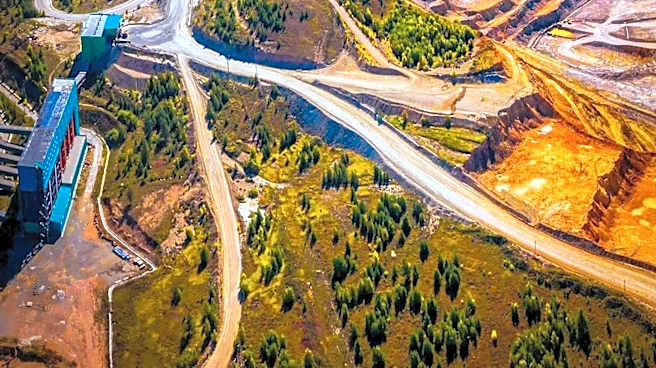
Grande Portage Resources Ltd., a Canadian mining company, has completed the installation of two meteorological monitoring stations at its proposed New Amalga Gold Project site, located approximately 20 miles north of Juneau, Alaska. These stations represent
the first long-term infrastructure for the project and are designed to collect crucial environmental data, including temperature, relative humidity, barometric pressure, solar radiation, and airborne particulate matter concentrations. According to a company press release, this data is essential for informing engineering design, environmental assessments, and future applications for air quality permits from the Alaska Department of Environmental Conservation (ADEC). The company previously updated its 2026 field season activities, which included drilling, groundwater monitoring, and various environmental surveys. The New Amalga Gold Project is currently undergoing an expedited environmental review process under the federal government’s FAST-41 Dashboard, with a projected completion date for environmental review and permitting in April 2030.
Why It's Important?
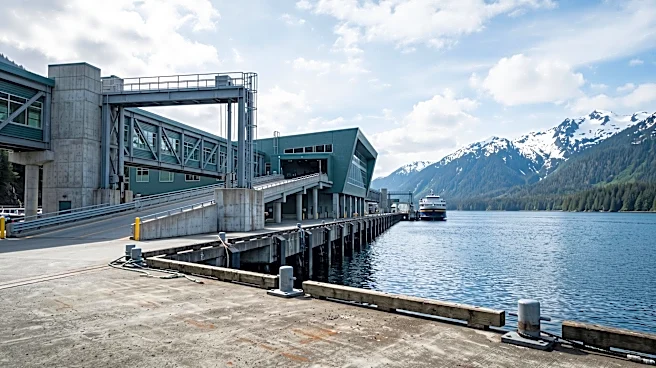
The installation of these meteorological stations marks a significant step forward for the New Amalga Gold Project, signaling the company's commitment to advancing the mine's development. The data collected will be vital for ensuring the project complies with environmental regulations and for designing effective dust mitigation and environmental control measures, which are critical for large-scale mining operations. The project is anticipated to create 277 jobs and generate a pre-tax net present value of nearly $1 billion over an initial seven-year production cycle, offering substantial economic benefits to the Juneau area. However, the project has faced opposition from environmental groups and local residents concerned about potential environmental impacts and disruptions to recreational activities. Questions have also been raised regarding potential state subsidies for the project through the proposed Cascade Point Ferry Terminal, which could benefit the mine's ore shipping operations.
What's Next?
Grande Portage Resources Ltd. will continue its environmental baseline monitoring program using the newly installed meteorological stations. The collected data will be instrumental in preparing future air quality permit applications for the ADEC and establishing an ongoing record of environmental conditions. The company is working towards an April 2030 completion date for the environmental review and permitting process. Following successful permitting, the project would move into construction and eventual operation. Stakeholders, including local government officials, environmental organizations, and community members, will likely continue to monitor the project's progress and engage in discussions regarding its potential impacts and benefits. The ongoing environmental review process will be a critical determinant of the project's future, with regulatory approvals being a key hurdle for the mine to overcome.
Beyond the Headlines
The New Amalga Gold Project highlights the ongoing tension between economic development and environmental preservation in resource-rich regions like Alaska. While the mine promises significant job creation and economic stimulus, it also raises concerns about the long-term ecological footprint on pristine natural landscapes. The debate surrounding potential state subsidies for infrastructure that could benefit private mining operations also brings to light broader questions about public investment and corporate responsibility. The project's reliance on expedited federal review processes underscores a national push to streamline resource extraction, which can be viewed as both an economic advantage and a potential risk to thorough environmental oversight. The outcome of this project could set precedents for future mining endeavors in Alaska, influencing how economic benefits are weighed against environmental and community concerns.