




What's Happening?
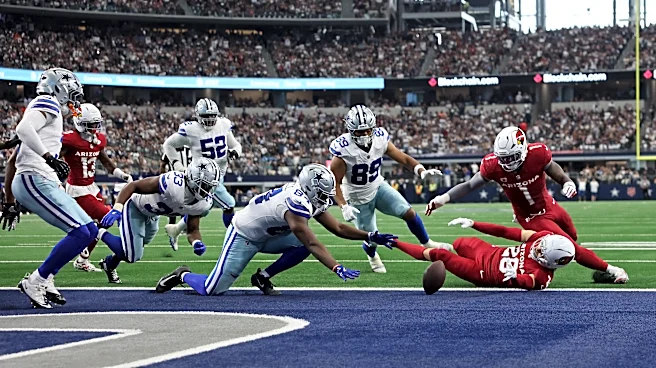
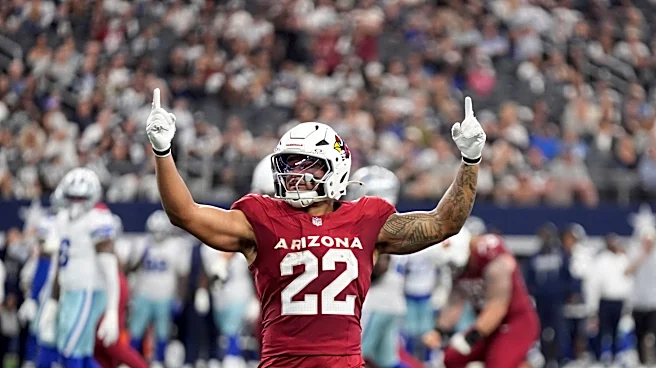
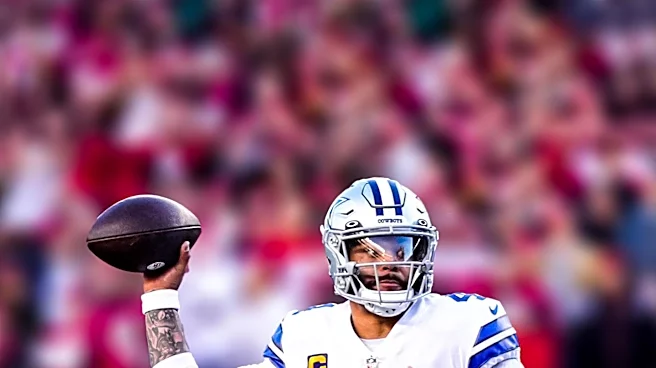
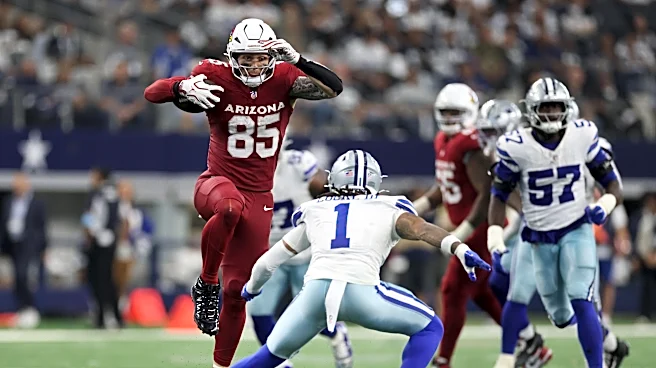
Dallas Cowboys quarterback Dak Prescott has voiced his wish for a more aggressive offensive strategy, particularly after the team's recent loss to the Arizona Cardinals. Prescott specifically highlighted a late-game decision to run the ball on third down,
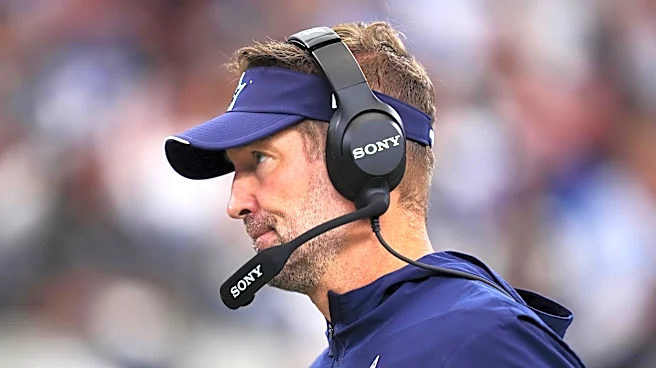
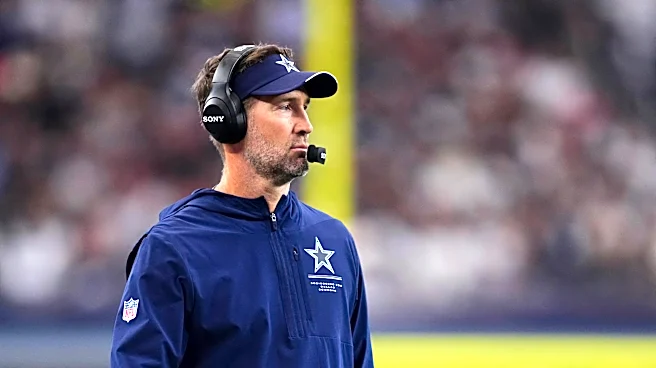
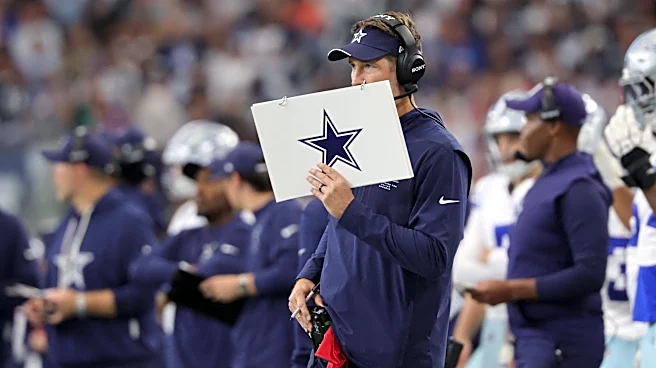
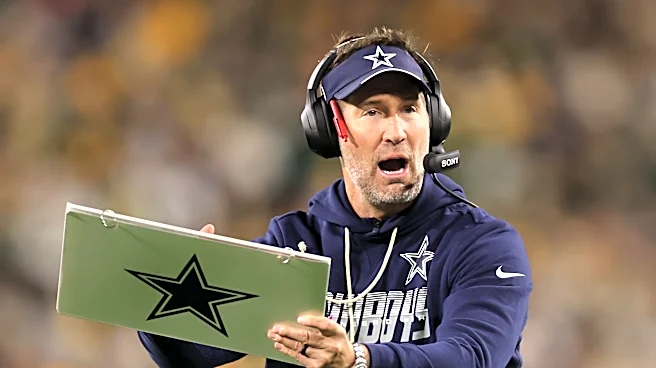
leading to a field goal instead of attempting to secure a first down through a pass play. This approach, which he described as a lack of aggression, allowed the Cardinals sufficient time to score a go-ahead touchdown. The quarterback's comments suggest a broader concern about the team's offensive mindset, indicating that the current play-calling, attributed to Brian Schottenheimer, often prioritizes avoiding mistakes over actively seeking to win. Prescott believes the team, with its elite aerial attack, should have the confidence to challenge defenses more consistently, even when under pressure.
Why It's Important?
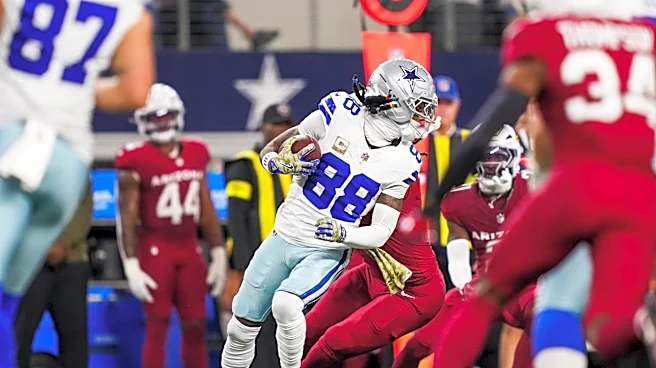
Dak Prescott's public comments underscore a significant internal dynamic within the Dallas Cowboys' offensive strategy, potentially impacting team morale and future game outcomes. His call for more aggressive play reflects a desire to maximize the team's offensive talent, including players like Lamb and Pickens, by utilizing passing plays more frequently. This shift in strategy could lead to higher-scoring games and a more dynamic offense, but it also carries increased risks of turnovers or failed conversions. The current conservative approach, as criticized by Prescott, might be perceived as a lack of trust in the quarterback's ability to make critical plays, which could affect his confidence and leadership. For fans and stakeholders, this debate highlights a tension between a cautious, run-heavy approach and a more daring, pass-oriented offense, with the team's performance directly tied to which philosophy prevails.
What's Next?
Following Prescott's remarks, there will likely be increased scrutiny on the Cowboys' offensive play-calling in upcoming games. Head coach Brian Schottenheimer will face pressure to address these concerns, potentially by adjusting the team's strategy to incorporate more aggressive passing plays, especially in critical late-game situations. The team's performance in future close contests will serve as a direct indicator of whether Prescott's feedback has been integrated into the offensive scheme. If the conservative play-calling persists and results in further losses, it could lead to more significant discussions about coaching philosophy and personnel changes within the offensive staff. Conversely, a more aggressive approach that yields positive results could validate Prescott's stance and strengthen his influence within the team.
Beyond the Headlines
The tension between a star quarterback's desire for aggressive play and a coaching staff's more conservative approach reveals a common challenge in professional sports: balancing risk and reward. Prescott's comments, while specific to the Cowboys, reflect a broader philosophical debate in football about how to best utilize offensive talent. A conservative strategy, while aiming to minimize errors, can sometimes stifle creativity and fail to capitalize on a team's strengths, potentially leading to frustration among key players. Conversely, an overly aggressive approach can lead to costly mistakes. This situation highlights the delicate balance coaches must strike to maintain player confidence, optimize performance, and achieve success, all while navigating the high-stakes environment of professional sports where every decision is intensely scrutinized by fans and media.