
What's Happening?
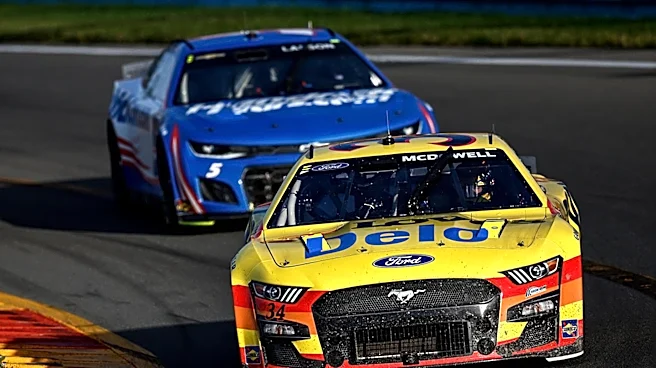
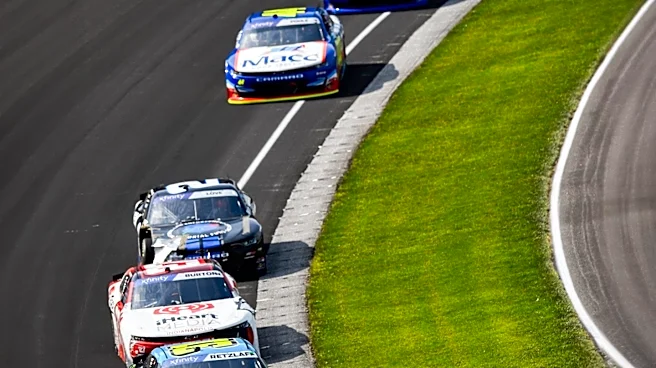
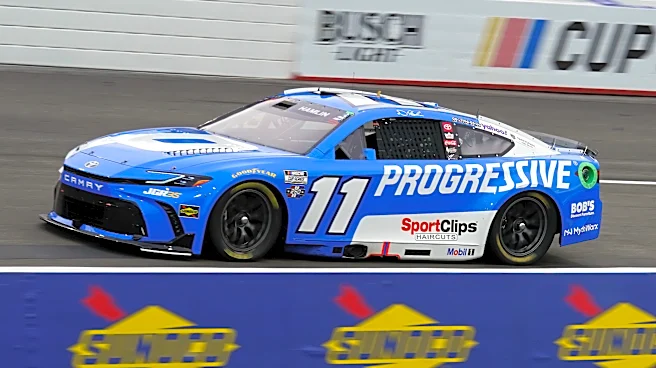
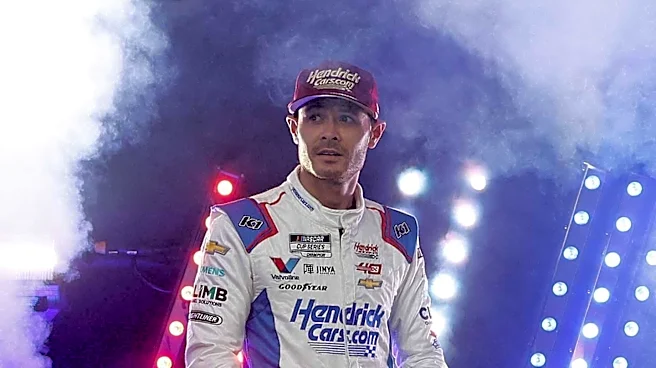
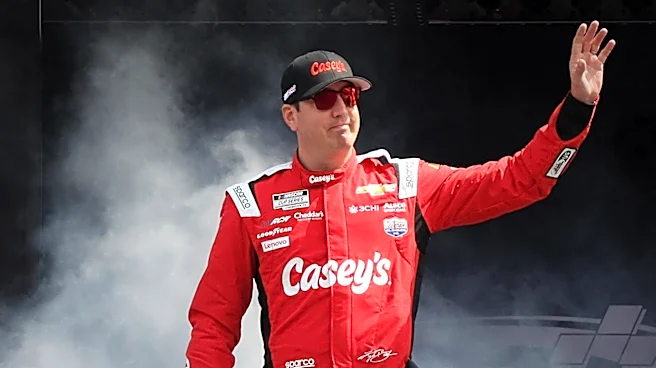
Kyle Larson, a two-time NASCAR Cup champion, has voiced concerns over the length of NASCAR Cup races, suggesting that they are too long to maintain fan engagement. During a recent race at the Indianapolis Motor Speedway, Larson's race ended prematurely
due to a tire blowout, but he noted that the race itself took over three hours to complete. Larson believes that the current format, where many races exceed three hours, does not align with modern sports consumption habits. He argues that shorter races would better capture and retain audience attention. Former NASCAR Cup champion Kevin Harvick echoed Larson's sentiments, suggesting that procedural changes, rather than reducing race distances, could help shorten race times. Harvick pointed out that lengthy caution periods contribute significantly to the overall race duration.
Why It's Important?
The discussion around race length is significant as it touches on the broader issue of sports viewership in the digital age. With attention spans reportedly decreasing, sports leagues are under pressure to adapt their formats to maintain and grow their audiences. For NASCAR, which has traditionally featured long races, this could mean re-evaluating race structures to ensure they remain appealing to both live and television audiences. Shortening races could potentially attract a younger demographic, crucial for the sport's future growth. However, any changes would need to balance tradition with innovation, ensuring that the essence of NASCAR racing is preserved while adapting to new viewer preferences.
What's Next?
NASCAR may need to consider feedback from drivers like Larson and Harvick as it plans future seasons. This could involve reviewing race procedures to identify areas where time can be saved, such as streamlining caution periods. Additionally, NASCAR might explore pilot programs with shorter race formats to gauge fan response. Stakeholder reactions, including those from teams, sponsors, and broadcasters, will be crucial in determining the feasibility of any proposed changes. The outcome of these discussions could influence NASCAR's strategic direction and its ability to compete with other sports for viewership.