


What's Happening?
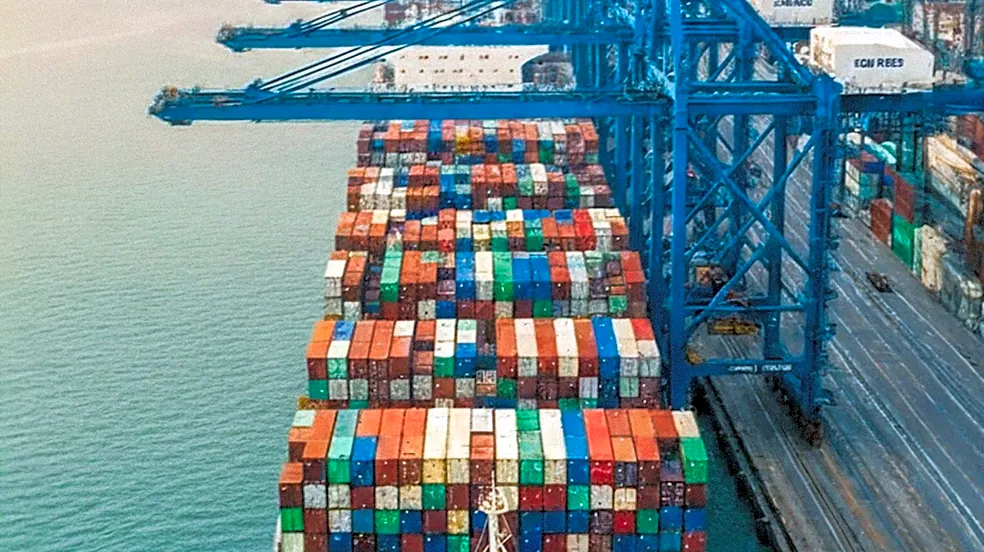
The Saudi Maritime & Logistics Congress recently took place at the Jeddah Superdome, gathering government officials, maritime transport and logistics leaders, and business community representatives. The congress focused on Saudi Arabia's role in maintaining
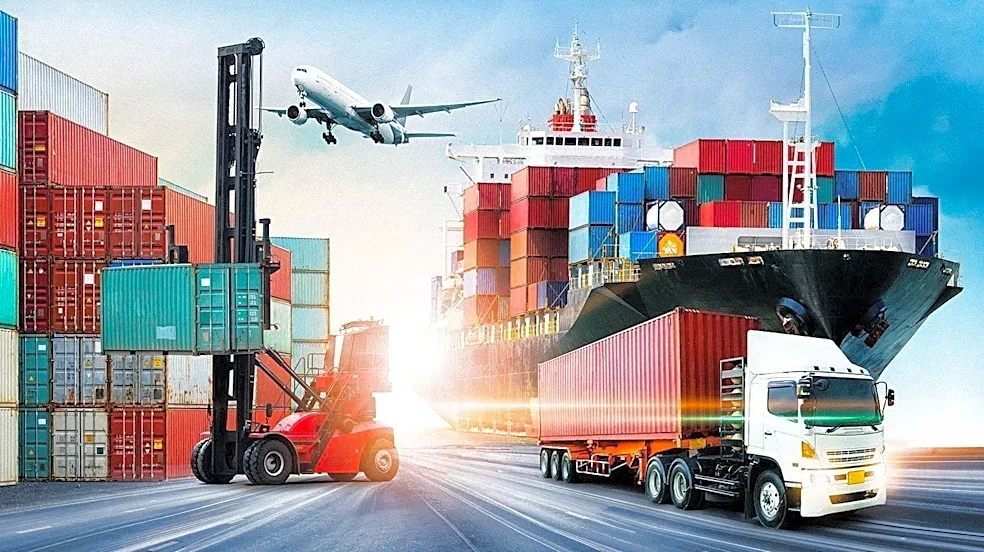
trade flows and strengthening supply chain resilience amidst rapid changes in global trade and shipping. Companies are currently re-evaluating transport routes and making critical operational and investment decisions. The event served as a platform for stakeholders to discuss cooperation opportunities and enhance the integration of ports with maritime, land transport, and logistics services. This integration aims to improve operational efficiency and ensure the reliability of supply chains. His Excellency Eng. Fawaz Alsahli, President of the Transport General Authority in Saudi Arabia, emphasized the Kingdom's ambition to develop an integrated transport and logistics ecosystem. This initiative is designed to diversify the national economy, expand investment and innovation opportunities, and solidify Saudi Arabia's position as a reliable partner in international trade. Mohaned El Mahgoub, Vice President at Tahaluf, highlighted the importance of the congress in helping businesses respond to disruptions and build confidence in their chosen routes and services.
Why It's Important?
The discussions at the Saudi Maritime & Logistics Congress are significant because they address the current volatility in global trade and shipping. As companies reassess their transport routes and investment strategies, Saudi Arabia is positioning itself as a crucial hub for maintaining supply chain stability. The Kingdom's efforts to integrate its ports with broader logistics networks can offer alternative, reliable routes for international trade, potentially benefiting global businesses seeking to mitigate risks associated with other conflict zones or congested pathways. By enhancing operational efficiency and fostering cooperation among stakeholders, Saudi Arabia aims to attract more investment and strengthen its economic diversification goals outlined in Saudi Vision 2030. This strategic development could lead to increased trade volumes through Saudi ports, impacting global shipping patterns and potentially offering more competitive logistics solutions for various industries. The focus on developing maritime transport capabilities and improving integration underscores a broader trend of nations investing in their logistical infrastructure to gain a competitive edge in the global economy.
What's Next?
The Saudi Maritime & Logistics Congress will continue with sessions dedicated to building an integrated national logistics ecosystem, improving operational efficiency, and fostering partnerships and investments to enhance the competitiveness of Saudi Arabia's maritime sector. These ongoing discussions are expected to lead to concrete strategies and collaborations aimed at realizing the Kingdom's vision for a robust logistics hub. Further developments may include new policy initiatives from the Transport General Authority to streamline maritime operations and encourage foreign investment in port infrastructure and logistics services. Companies like Faisal M. Higgi & Associates Co. Ltd, which announced its new brand identity FMH Marine Services, are already aligning their services with Saudi Vision 2030 objectives, indicating a trend towards specialized marine services. The emphasis on developing marina facilities and specialized marine services, as highlighted by Oriela Blake from Sela and Ryanah Alghamdi from Samaco, suggests future investments in maritime tourism and luxury yacht services, expanding the scope of the maritime sector beyond cargo transport.
Beyond the Headlines
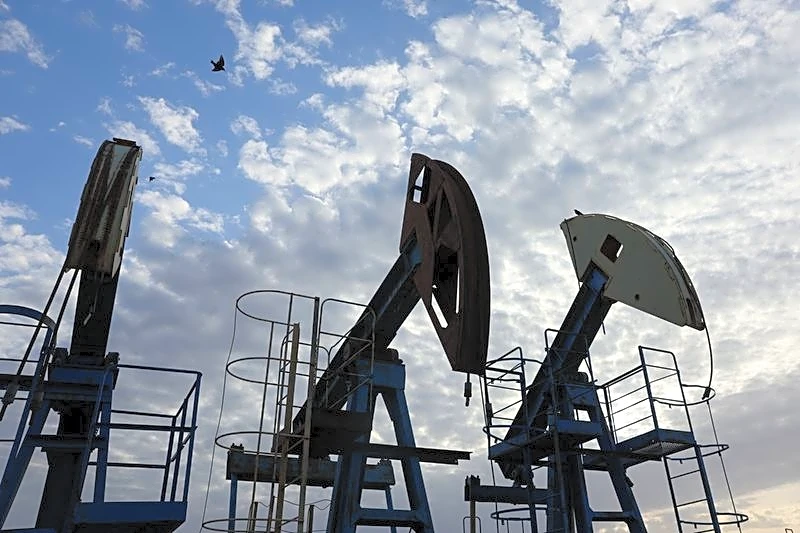
Beyond the immediate discussions on trade routes and supply chain resilience, the Saudi Maritime & Logistics Congress signals a deeper strategic shift in Saudi Arabia's economic landscape. The Kingdom's ambitious plans to become a global logistics hub are not merely about facilitating trade but also about diversifying its economy away from oil dependency, a core tenet of Saudi Vision 2030. This initiative has broader implications for regional geopolitical dynamics, as enhanced logistical capabilities could strengthen Saudi Arabia's influence in international trade networks. The focus on integrating various transport modes—maritime, land, and logistics—reflects a comprehensive approach to infrastructure development that could set a new standard for efficiency in the region. Furthermore, the discussions around developing marinas and marine tourism indicate a move towards a more diversified maritime economy, tapping into high-value services and leisure industries. This holistic development could transform Saudi Arabia into a multifaceted maritime power, impacting global shipping, tourism, and investment flows in the long term.