





What's Happening?
Luxury urban homeowners are increasingly incorporating red light therapy (RLT) devices into their residences as part of a broader trend towards at-home wellness. This shift is driven by the demanding nature of urban life, which makes consistent self-care
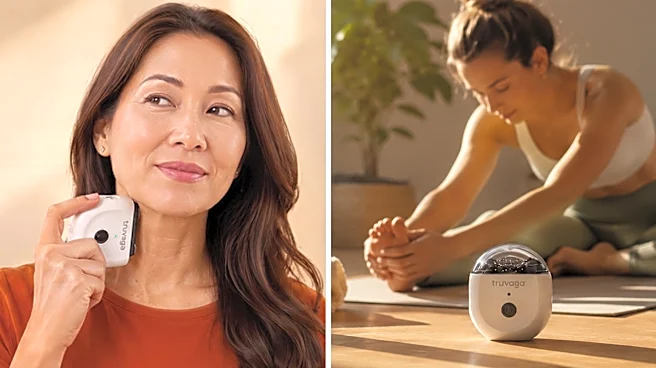
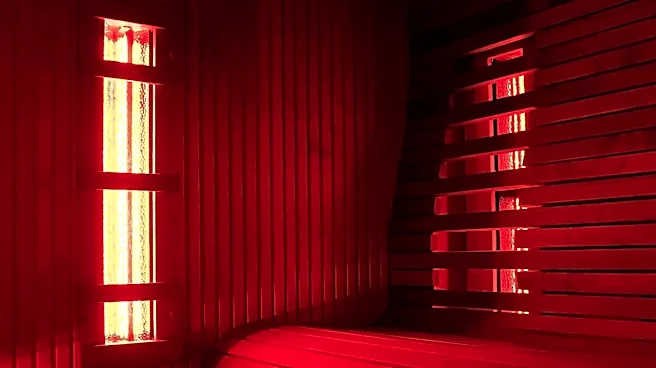
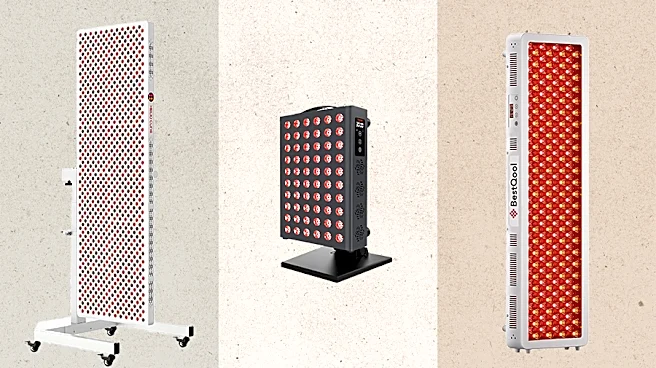
challenging. Modern luxury homes are evolving beyond aesthetic appeal to include dedicated spaces for wellness activities, ranging from full-scale spas to specialized corners for skincare, recovery, and meditation. RLT devices, which are compact and easily integrated without major renovations, offer a convenient way for individuals to maintain skincare routines within their personal retreats. These devices typically use red light, near-infrared light, or a combination of wavelengths (630 to 850 nm) to potentially address skin concerns like fine lines, wrinkles, and elasticity, making skincare a more accessible and consistent part of daily life.
Why It's Important?
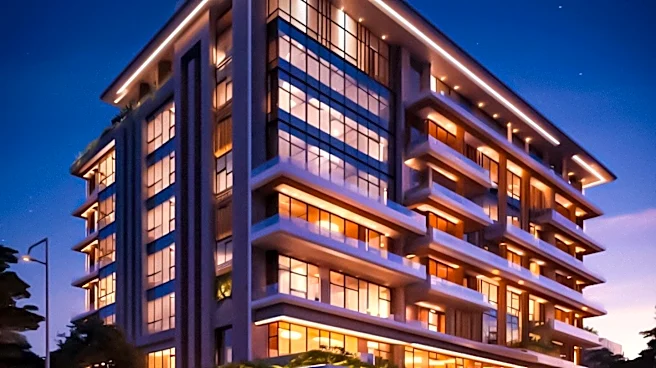
This trend signifies a notable shift in the luxury real estate and wellness industries, highlighting a growing consumer demand for integrated health and beauty solutions within the home environment. For the real estate sector, it means that wellness amenities are becoming a key differentiator and selling point for high-end urban properties, influencing design and construction priorities. The wellness industry, particularly manufacturers of RLT devices and related skincare technologies, stands to gain significantly from this increased adoption. It underscores a broader societal emphasis on proactive self-care and personalized health, moving away from solely relying on external professional treatments. This integration of advanced wellness technologies into daily routines could also impact the beauty and personal care markets, as consumers seek effective at-home alternatives to traditional spa services.
What's Next?
The continued integration of wellness technologies like RLT into luxury urban homes is likely to drive further innovation in compact, user-friendly devices that cater to at-home use. Real estate developers may increasingly feature these wellness amenities as standard offerings or premium upgrades in new luxury constructions. We can anticipate a rise in partnerships between wellness technology companies and interior designers or architects to create seamless and aesthetically pleasing integrations. Additionally, as more consumers adopt these practices, there may be a greater demand for scientific research and regulatory oversight to validate the efficacy and safety of at-home RLT devices. The market could also see an expansion of complementary products and services designed to enhance the at-home wellness experience, further solidifying this trend.
Beyond the Headlines
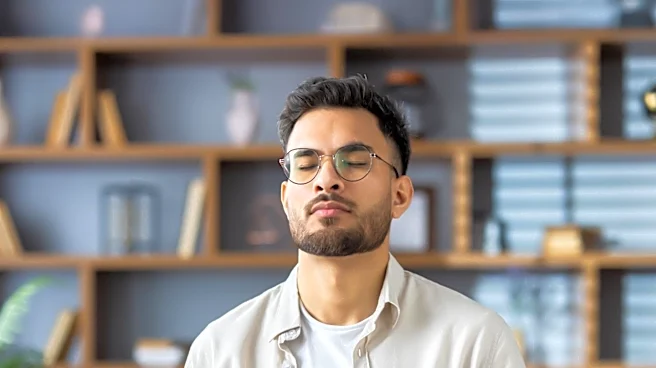
The embrace of RLT in luxury urban homes reflects a deeper cultural shift towards viewing the home as a sanctuary for holistic well-being, not just a place of residence. This trend blurs the lines between personal living spaces and professional wellness facilities, raising questions about privacy, accessibility, and the democratization of advanced health technologies. Ethically, it highlights the growing disparity in access to cutting-edge wellness solutions, as these integrations are currently prevalent in luxury markets. Culturally, it reinforces the idea of self-optimization and the pursuit of youthfulness and health through technological means. This development could also influence long-term architectural design, promoting more adaptable and health-centric living environments that cater to an aging population and a heightened awareness of personal health.