





What's Happening?
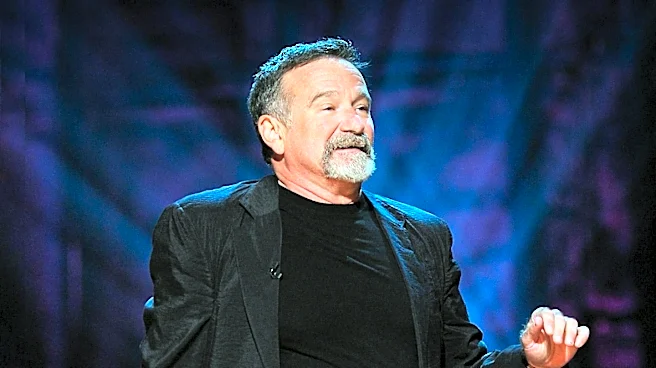
Robin Williams' three children, Zelda Williams, Zak Williams, and Cody Williams, have reactivated their late father's Instagram account. This decision comes nearly a year after Zelda Williams publicly condemned fans for sending her AI-generated videos
of the 'Good Will Hunting' star. The siblings announced their intention to revive the account on August 17, stating that as they recognize what would have been their father's 75th year, they aim to create a 'safe, trusted place' where stories, photos, videos, and memories shared authentically reflect his legacy. The Instagram account had been dormant since Williams' death by suicide in 2014 at age 63. The primary motivation behind this move is to combat the misuse of artificial intelligence in generating content featuring their father and to ensure that his digital presence is managed with authenticity and care.
Why It's Important?
This action by Robin Williams' children highlights a growing concern among public figures and their families regarding the ethical implications and potential misuse of artificial intelligence, particularly in generating deepfakes or unauthorized content. The reactivation of his official Instagram account serves as a proactive measure to control his narrative and legacy in the digital age, setting a precedent for how families of deceased celebrities might address similar challenges. It underscores the importance of authenticity and consent in an era where AI technology can easily create convincing but fabricated media. This move also brings attention to the emotional toll such AI-generated content can have on family members, as Zelda Williams' previous condemnation indicated. It emphasizes the need for clear guidelines and ethical considerations in the development and deployment of AI technologies that involve public figures.
What's Next?
The Williams family's initiative could inspire other celebrity estates to take similar steps in managing the digital legacies of their loved ones, potentially leading to broader discussions within the entertainment industry about AI usage and intellectual property rights. This action may also prompt social media platforms to re-evaluate their policies regarding AI-generated content and the protection of individuals' likenesses, especially post-mortem. Legal frameworks surrounding AI and digital rights are still evolving, and high-profile cases like this could influence future legislation or industry standards. The family's commitment to sharing authentic content will likely be met with appreciation from fans, while also serving as a continuous reminder of the ethical boundaries surrounding AI-generated media.
Beyond the Headlines
Beyond the immediate concern of AI misuse, this situation touches upon the broader cultural phenomenon of digital immortality and the desire to preserve the essence of beloved public figures. The ability of AI to mimic voices and appearances raises profound questions about identity, memory, and the nature of legacy. The Williams family's decision to actively curate their father's digital presence reflects a deep understanding of the power of online platforms in shaping public perception and memory. It also highlights the tension between technological advancement and human dignity, particularly when it comes to the posthumous representation of individuals. This case serves as a poignant example of how families are navigating the complexities of grief and remembrance in an increasingly digital and AI-driven world, striving to maintain the integrity of their loved ones' identities against the backdrop of evolving technology.