





What's Happening?
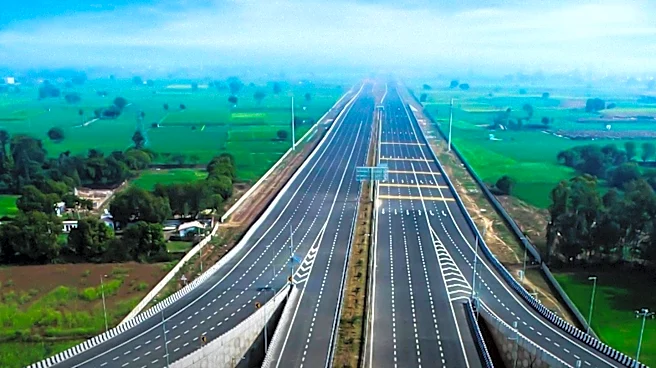
The Federal Government of Nigeria has committed approximately N1.5 trillion (Nigerian Naira) to the reconstruction and dualization of the Lambata–Bida–Mokwa–Makera–Kontagora Federal Highway in Niger State. This significant infrastructure project is scheduled
to begin with a groundbreaking ceremony next week in Bida. The Minister of Information and National Orientation, Mohammed Idris, who also chairs the Niger State Development Forum, highlighted that this investment is expected to significantly boost agriculture, commerce, and overall economic growth within Niger State and surrounding regions. The project is a collaborative effort between the Federal and Niger State governments, aiming to improve road infrastructure, connect rural communities, facilitate the transportation of agricultural produce, and stimulate investment along the corridor. Governor Mohammed Umaru Bago of Niger State expressed gratitude for the Federal Government's support, noting the state's significant benefits from federal infrastructure and energy projects, including a $160 million solar energy project through the Islamic Development Bank.
Why It's Important?
This N1.5 trillion highway project is crucial for Nigeria's economic development, particularly in Niger State, which is recognized for its vast agricultural potential and central location. The improved road network will enhance connectivity, making it easier for farming communities to access markets and industrial centers, thereby boosting agricultural productivity and trade. This infrastructure development is also expected to attract further investment, creating economic opportunities and potentially addressing insecurity by fostering development in previously underserved areas. The project aligns with President Bola Ahmed Tinubu's broader agenda for infrastructure development, which includes other major initiatives like the proposed Sokoto-Badagry Superhighway and the Lagos–Calabar Coastal Highway. These interconnected projects aim to improve national connectivity, stimulate economic activities across various states, and enhance the overall movement of goods and people, contributing to national economic growth and improved road safety.
What's Next?
The groundbreaking ceremony for the Lambata–Bida–Mokwa–Makera–Kontagora Federal Highway is scheduled for next week in Bida, marking the official commencement of the project. Construction is expected to proceed, with continuous monitoring and collaboration between the Federal and Niger State governments. The Minister of Information and National Orientation, Mohammed Idris, indicated that the Niger State Development Forum will continue to support initiatives that attract investment and strengthen partnerships to accelerate development in the state. Governor Bago also highlighted ongoing road projects linking various towns within Niger State, expressing optimism that improved connectivity will further boost trade and agricultural production. The Federal Government is also pursuing other major infrastructure projects, such as the Sokoto-Badagry Superhighway and the Lagos–Calabar Coastal Highway, which are expected to further enhance national connectivity and economic activities.
Beyond the Headlines
Beyond the immediate economic benefits, this highway project could have profound long-term implications for regional stability and social cohesion in Nigeria. By improving access to markets and creating economic opportunities, the project may help mitigate some of the underlying causes of insecurity, such as poverty and lack of infrastructure, which can fuel unrest in certain areas. The emphasis on connecting farming communities and industrial centers could also lead to a more integrated national economy, reducing regional disparities and fostering a sense of shared prosperity. Furthermore, the construction of durable, continuously reinforced concrete highways signifies a commitment to sustainable infrastructure development, which is essential for long-term economic resilience. The collaboration between federal and state governments on such a large-scale project also sets a precedent for future joint ventures, potentially streamlining the implementation of other critical national development initiatives.