




What's Happening?
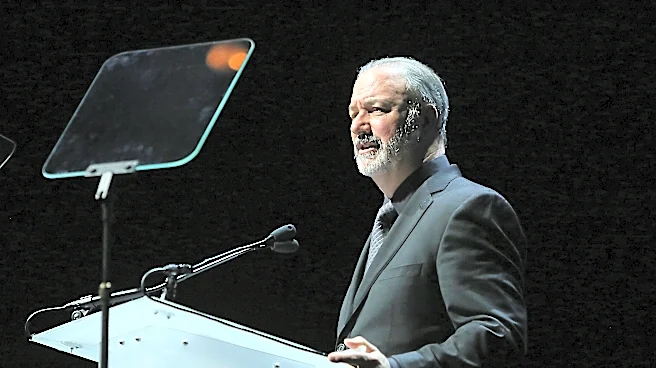
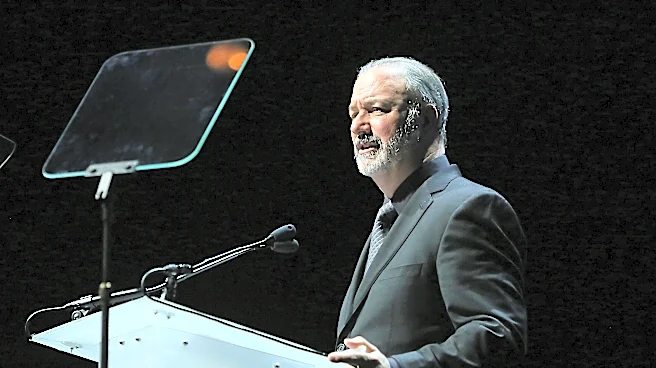
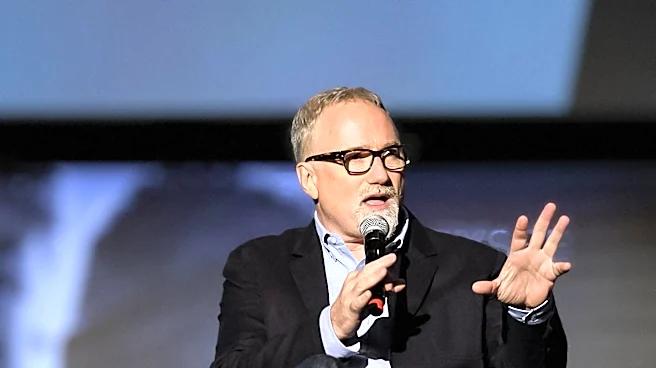
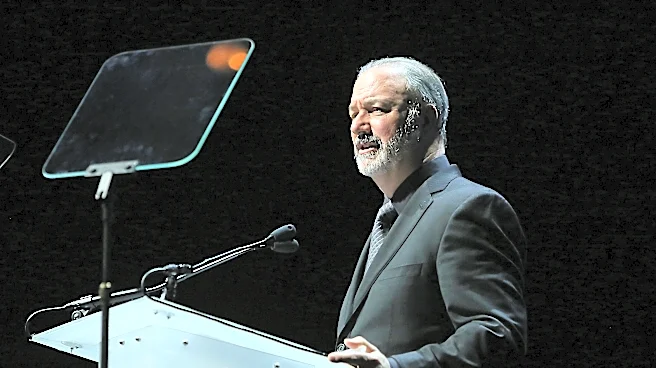
Filmmaker David Fincher, 64, has suggested that his latest movie, 'The Further Mis-Adventures of Cliff Booth,' currently in theaters and set for a December 23 Netflix premiere, might be his last. Fincher, who has been directing since he was 20, expressed
a shift in priorities and a growing impatience with the filmmaking process. He noted that he finds the industry's attempt to industrialize storytelling a disservice to cinema, emphasizing that storytelling should be an intimate endeavor. Fincher also voiced concerns about the inherent wastefulness of moviemaking and believes the business needs to rethink its operational methods, advocating for more streamlined thinking over simply adding manpower to solve problems. This sentiment comes as the film has also drawn scrutiny for its apparent use of AI, with some viewers criticizing it while others found it unnoticeable.
Why It's Important?
Fincher's potential retirement marks a significant moment for the U.S. film industry, as he is a highly regarded director known for his distinctive style and critical successes. His comments on the industrialization of cinema and the wasteful nature of filmmaking highlight broader industry challenges, particularly concerning the balance between artistic integrity and commercial pressures. His remarks about the use of AI in 'Cliff Booth' also underscore an ongoing debate within Hollywood regarding the integration of artificial intelligence into creative processes. This discussion impacts not only the artistic output but also the employment landscape for various film professionals. If other established directors share Fincher's sentiments, it could lead to a re-evaluation of production practices and potentially influence how future films are made and consumed in the U.S. and globally.
What's Next?
The immediate focus will be on the reception of 'The Further Mis-Adventures of Cliff Booth' as it transitions to Netflix on December 23. The ongoing debate surrounding the film's use of AI is likely to continue, potentially influencing future discussions about AI ethics and implementation in filmmaking. Fincher's statements could prompt other veteran filmmakers to share their perspectives on the industry's evolution and the challenges of modern production. While Fincher has not definitively announced his retirement, his comments suggest a potential shift in his career trajectory, which could lead to a re-evaluation of his involvement in large-scale film projects. The industry may also see increased discussions and initiatives aimed at addressing the 'wastefulness' Fincher described, potentially leading to more efficient and sustainable production models.
Beyond the Headlines
Fincher's reflections on his career and the state of filmmaking touch upon deeper cultural and technological shifts. His critique of the 'industrialization' of storytelling speaks to a broader concern about the commodification of art and the potential loss of intimacy in creative endeavors. The controversy surrounding AI in 'Cliff Booth' highlights the ethical and artistic dilemmas posed by emerging technologies in creative fields. This extends beyond filmmaking to other artistic disciplines, raising questions about authorship, authenticity, and the role of human creativity in an increasingly automated world. Fincher's desire for more streamlined processes also reflects a growing demand for efficiency and sustainability across various industries, suggesting a potential paradigm shift in how creative projects are managed and executed in the future.