






What's Happening?
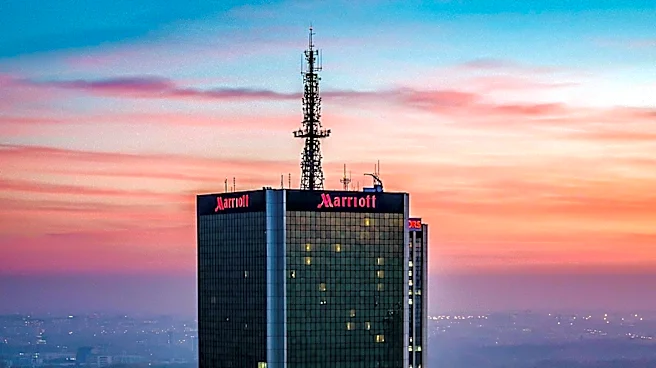
Marriott International is actively recruiting for a Senior Manager, Restaurants and Bars, for its Europe, Middle East, and Africa (EMEA) region. The role, based in London, requires a minimum of eight years of experience in the food and beverage and/or
restaurant service industry, with at least two to three years in a senior leadership capacity within a standalone or innovative concept. Candidates must possess a Bachelor’s degree in Food Service Management, Hotel and Restaurant Management, Hospitality, Business Administration, or a related field. Key responsibilities include developing and facilitating R&B program development, assisting in day-to-day project management of F&B development projects, and directing restaurant and bar operations to enhance guest and employee satisfaction while maximizing financial performance. The position also demands extensive knowledge of cocktails, mixology, wine, liquor, non-alcoholic beverages, coffee concepts, product branding, and merchandising. Expertise in food and beverage marketing, inventory management, and sanitation procedures is also crucial for this role.
Why It's Important?
This recruitment highlights Marriott International's strategic focus on enhancing its food and beverage offerings across its extensive portfolio in the EMEA region. The emphasis on senior leadership experience in innovative concepts suggests a drive towards modernizing and differentiating its restaurant and bar experiences, which are increasingly vital components of hotel guest satisfaction and revenue generation. For the U.S. hospitality industry, this move by a major global player like Marriott could signal broader trends in talent acquisition and operational strategies. The demand for specialized skills in mixology, branding, and marketing reflects an evolving consumer palate and the need for hotels to create unique dining destinations. This could influence curriculum development in U.S. hospitality programs and encourage professionals to specialize in these areas to remain competitive in a globalized market. Furthermore, successful F&B strategies in EMEA could serve as a blueprint for implementation in U.S. properties, driving innovation and potentially increasing demand for similar expertise domestically.
What's Next?
Marriott International will proceed with the selection process to fill this critical role, aiming to onboard a candidate who can drive innovation and operational excellence in its EMEA food and beverage sector. The successful candidate will be tasked with implementing new programs, ensuring brand consistency, and optimizing financial performance across a diverse range of properties. This appointment is expected to lead to the development and deployment of new food and beverage concepts and training programs throughout the EMEA region. The company will likely monitor the impact of these initiatives on guest satisfaction, revenue growth, and market positioning. The insights and successful strategies developed in EMEA could eventually be adapted and rolled out to Marriott's properties in the U.S. and other global markets, influencing future trends in hotel food and beverage operations and management.
Beyond the Headlines
The emphasis on a 'standalone/innovative concept' in the job description suggests a shift in the hospitality industry towards creating unique, destination-worthy dining experiences within hotels, moving beyond traditional hotel restaurants. This trend reflects a broader consumer preference for authentic and novel culinary adventures. For Marriott, this strategy could enhance brand perception, attract a wider demographic, and increase ancillary revenue streams. Ethically, this focus on innovation also implies a commitment to sourcing high-quality ingredients and potentially supporting local producers, aligning with growing consumer demand for sustainability and ethical practices. The role's requirement for extensive knowledge in diverse beverage categories, including mixology and wine, underscores the increasing sophistication of the hotel F&B landscape, where expertise in craft beverages is becoming as important as culinary skills. This could lead to greater investment in specialized training and development for F&B professionals across the industry.